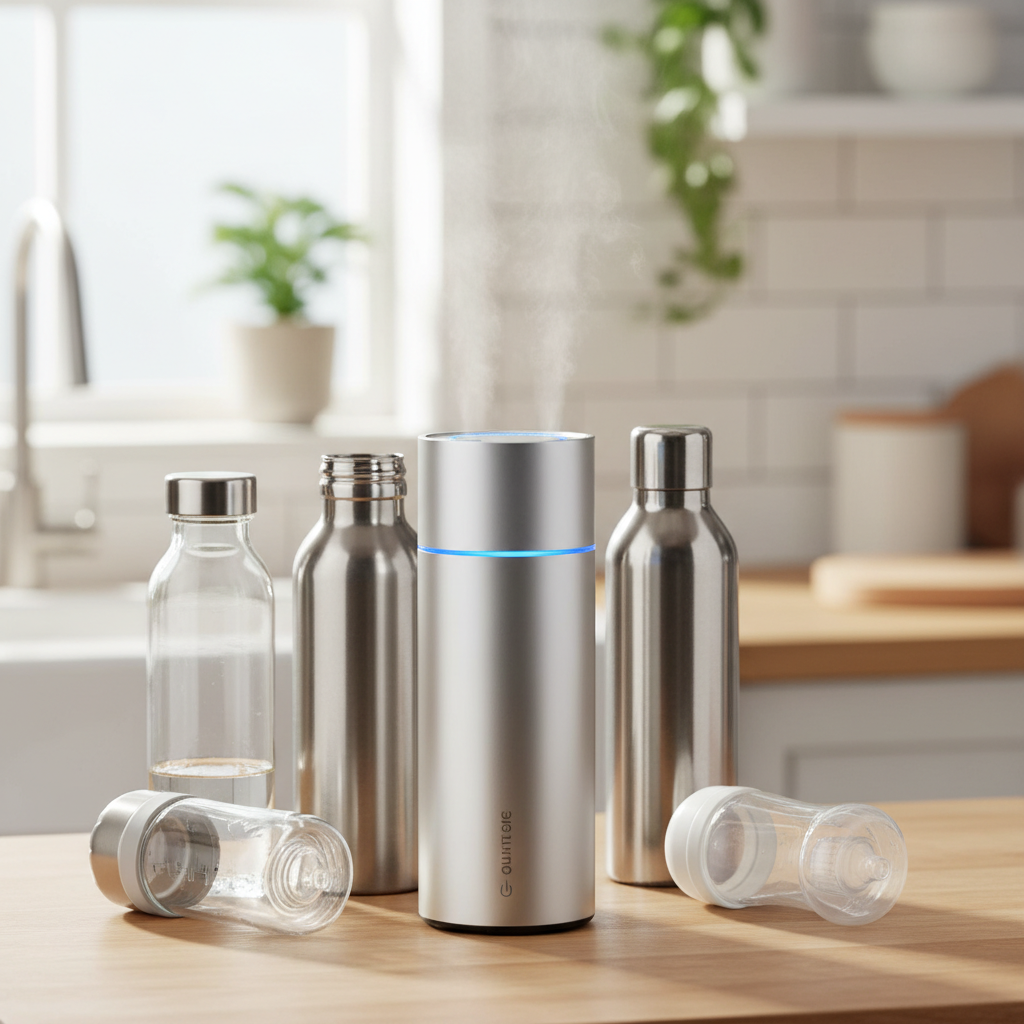
Keeping your baby’s bottles and feeding accessories impeccably clean is a top priority for any parent or caregiver. While a good bottle brush is your first line of defense against milk residue and grime, the brush itself also needs regular sanitization to prevent it from becoming a breeding ground for bacteria. Fortunately, your dishwasher can be a powerful ally in this crucial task. This guide will walk you through everything you need to know about effectively sanitizing your bottle brush using your dishwasher, ensuring both your cleaning tools and your baby’s feeding items are hygienically spotless.
What is a Bottle Brush and Why is Sanitization Crucial?
A bottle brush is a specialized cleaning tool designed to reach and scrub the interior surfaces of bottles, cups, and other narrow-necked containers that regular sponges or dishcloths cannot effectively clean. These brushes come in various shapes, sizes, and materials, typically featuring a long handle and a bristle or silicone head. While essential for daily cleaning, a bottle brush accumulates milk residue, food particles, and soap scum, making it a potential harbor for germs. Regular cleaning physically removes these contaminants, but sanitization takes it a step further, killing a greater percentage of bacteria and microorganisms, which is especially vital for infants, whose immune systems are still developing. Inadequate sanitization can lead to the spread of bacteria, posing health risks to your little one.
Types of Bottle Brushes and Dishwasher Compatibility
Bottle brushes are commonly made from several materials, each with varying levels of dishwasher compatibility. Understanding these differences is key to successful sanitization.
- Silicone Bottle Brushes: These are highly popular for their durability and hygiene. Silicone is non-porous, meaning it doesn’t easily trap bacteria or odors. Most silicone bottle brushes are designed to be heat-resistant and are generally dishwasher-safe, making them an excellent choice for easy sanitization.
- Nylon Bristle Bottle Brushes: Many traditional bottle brushes feature nylon bristles. These are effective at scrubbing away stubborn residue. The plastic handles and nylon bristles are often dishwasher-safe, but it’s crucial to check the manufacturer’s instructions.
- Foam Tip Bottle Brushes: Some brushes incorporate foam tips for gentle cleaning. While the plastic components may be dishwasher-safe, the foam itself can sometimes degrade or retain water if not dried properly, so verify its compatibility.
- Natural Fiber and Wooden Handle Brushes: Brushes made with natural fibers (like sisal or coconut husk) and especially those with wooden handles are typically not dishwasher-safe. The high heat and harsh detergents in a dishwasher can damage wood, causing it to warp, crack, or even harbor bacteria. These types of brushes usually require manual cleaning and alternative sanitization methods.
Always look for a “dishwasher-safe” label or consult the product’s care instructions before placing your bottle brush in the dishwasher.
Key Considerations Before Dishwasher Sanitization
Before you load your bottle brush into the dishwasher, a few important factors can influence the effectiveness and safety of the sanitization process.
Material Safety
|
Our Picks for the Best Bottle brush in 2026
As an Amazon Associate I earn from qualifying purchases.
|
||
| Num | Product | Action |
|---|---|---|
| 1 | Momcozy Bottle Brush Kit with Push-Press Foam Design - Newborn Essentials Gift, Portable Cleaning Tool for Home & Travel, Baby Bottle Cleaner Brush for Breast Pumps & Nipples, Green |

|
| 2 | OXO Tot Bottle Brush with Stand, Baby Bottle Brush |
|
| 3 | Holikme 6 Pack Bottle Brush Set, 14" Long Handle Stainless Steel Bottle Cleaner Brush, 3 Straw Brushes, 3-in-1 Bottle Cleaning Brush for Water Bottle, Antistatic Lab Brushes, Straws Black |
|
| 4 | MR.SIGA Long Handle Bottle Brush, Flexible Scrub Brush for Water Bottles, Glasswares, Mugs, Black, 2 Pack |
|
| 5 | Munchkin Sponge Bottle Brush, Grey/Sage, 2 Count (Pack of 1) |
|
| 6 | Scotch-Brite Glass and Water Bottle Brush, Long-Lasting, Safe on Glassware, Shaker Bottles, Food Processors, & More, Non-slip handle, Durable, Reusable, Clean in Top Rack of Your Dishwasher |
|
| 7 | Amazon Brand - Mama Bear Baby Bottle Brush with Nipple Cleaner and Suction Cup Stand, White (Pack of 3) |
|
| 8 | Holikme Bottle Brush Tube Cleaning Lab Set with Long Handle, Cup Cleaner for Washing Narrow Neck Beer Wine Decanter Pipes Lids Sinks Cap Covers, White |
|
| 9 | ROSEOK 2 in 1 Long Handle Bottle Brush with Straw Brush for Cleaning Glass, Sports Bottle, Coffee Mug,Navy Blue,1 Pack |
|
| 10 | ALINK 16 inch Long Bottle Brush Cleaner for Washing Wine/Beer/Sport Well/Thermos/Glass, Hummingbird Feeder and Long Narrow Neck Sport Bottles |
|
Ensure your bottle brush is made from materials safe for high-heat washing. Many plastic and silicone brushes are designed to be BPA-free and non-toxic, ensuring no harmful chemicals leach into your cleaning tools or subsequently, your baby’s bottles. High heat can damage incompatible materials, leading to premature wear or even melting, rendering the brush ineffective or unsafe. Choosing durable, heat-resistant materials is paramount for longevity and peace of mind.
Design and Placement
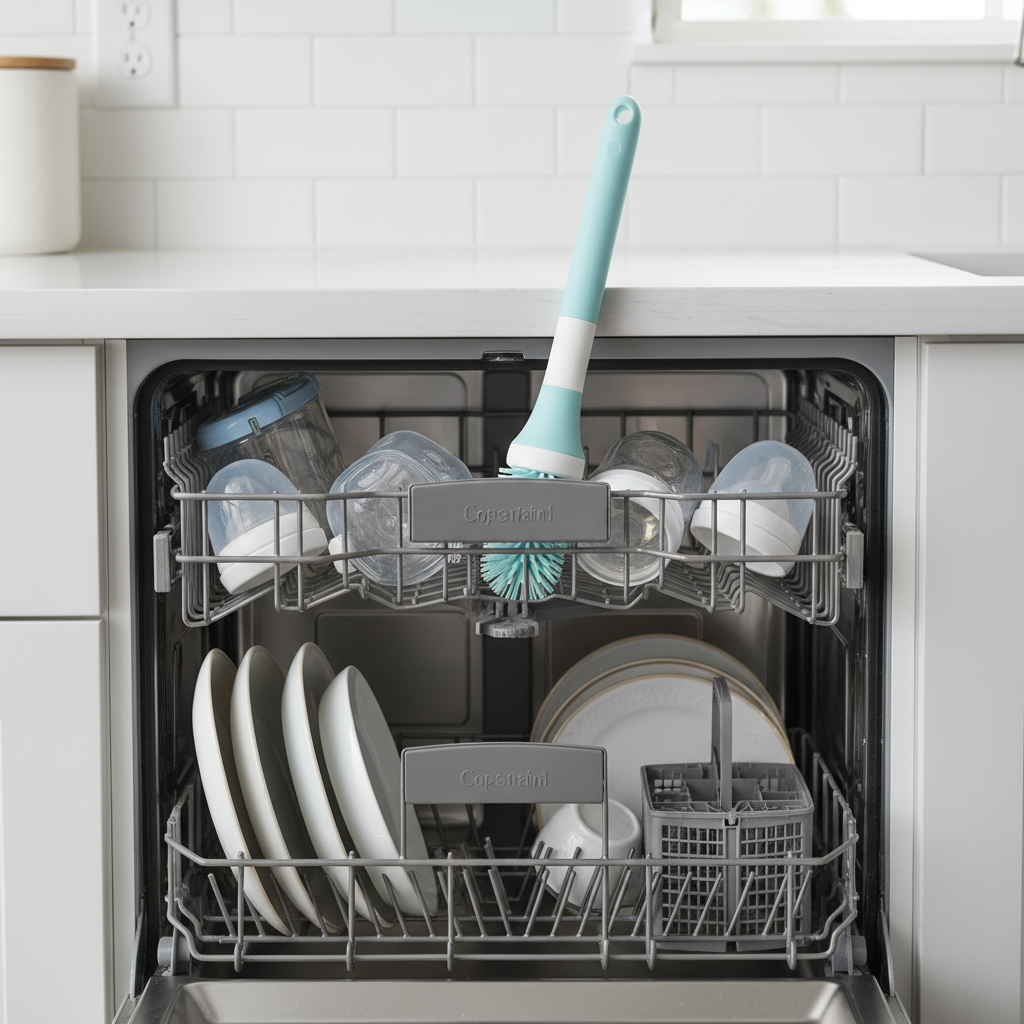
The design of your bottle brush can impact how effectively it cleans and sanitizes in the dishwasher. A sturdy handle and a brush head that remains intact are important. When loading, always place the bottle brush on the top rack of the dishwasher. This position minimizes exposure to the dishwasher’s most intense heat and water jets, which can otherwise warp plastics or dislodge smaller items. Ensure the brush is secured so it doesn’t move around and interfere with the spray arms, which could hinder proper cleaning or damage the brush. If your brush has a removable head, consider separating it for a more thorough wash.
Dishwasher Settings
To achieve true sanitization, selecting the correct dishwasher cycle is critical. Most modern dishwashers include a “Sanitize” cycle. This setting uses extra-hot water and often a longer wash time to kill a significant percentage of germs. If your dishwasher lacks a dedicated sanitize cycle, opt for the hottest wash cycle available, combined with a heated drying option. The high temperatures are essential for effectively eliminating bacteria. Always use standard dishwashing detergent, as specified by your dishwasher’s manufacturer.
Comparing Sanitization Methods for Bottle Brushes
Beyond the dishwasher, several other methods can sanitize bottle brushes. Each has its advantages and disadvantages in terms of effectiveness, convenience, and time.
| Method | Effectiveness | Convenience | Time | Safety | Cost |
|---|---|---|---|---|---|
| Dishwasher | High (with Sanitize) | High | Medium-Long | Generally safe for compatible materials | Part of utility bill |
| Manual Cleaning | Medium | High (quick) | Short | Requires hot water and thorough drying | Minimal (soap) |
| Boiling | High | Medium | Short-Medium | Risk of burns; suitable for heat-safe only | Minimal (stove fuel) |
| Electric Sterilizer | Very High | High | Short | Safe, controlled environment | Appliance cost |
| UV Sterilizer | Very High | High | Short | Chemical-free, no heat required | Appliance cost |
| Soaking (Vinegar/Bleach) | Medium-High | Medium | Long | Requires careful rinsing; proper dilution | Minimal (solution) |
Step-by-Step Guide: How to Sanitize Your Bottle Brush in the Dishwasher
Sanitizing your bottle brush in the dishwasher is straightforward when you follow these steps:
Pre-Rinse and Disassembly
Before placing your bottle brush in the dishwasher, it’s important to give it a quick pre-rinse under hot, running water. This helps remove any visible milk residue, food particles, or leftover soap scum that might be clinging to the bristles. If your bottle brush has a detachable head or other components, take them apart to ensure all surfaces are exposed to the cleaning cycle.
Loading the Dishwasher
Careful placement is key to effective sanitization and preventing damage.
- Top Rack Only: Always place your bottle brush on the top rack of the dishwasher. This area typically receives gentler water pressure and slightly less intense heat compared to the bottom rack, reducing the risk of warping or damage to plastic and silicone components.
- Secure Placement: Ensure the brush is securely positioned so it won’t move around during the wash cycle. You can place it in the utensil basket with the bristles facing up, or wedge it between tines on the top rack. For smaller brushes or detached parts, consider using a closed-top dishwasher basket to prevent them from falling to the bottom of the dishwasher.
- Avoid Obstruction: Make sure the bottle brush does not block the spray arms or interfere with the dispenser doors, ensuring proper water circulation and detergent distribution.
Selecting the Right Cycle
The correct dishwasher setting is crucial for effective sanitization.
- Sanitize Cycle: If your dishwasher has a “Sanitize” cycle, select it. This setting is specifically designed to reach higher temperatures (typically around 150-160°F or 65-71°C) that are effective at killing germs.
- High-Temperature Wash + Heated Dry: If a sanitize cycle isn’t available, choose the hottest wash cycle your dishwasher offers, along with a “Heated Dry” option. The combination of hot water and a heated drying period will still provide a good level of sanitization.
- Add Detergent: Use your regular dishwashing detergent.
Post-Wash Care
Once the dishwasher cycle is complete, proper post-wash care ensures your bottle brush remains hygienic.
- Air Dry Completely: Remove the bottle brush and allow it to air dry thoroughly. Do not immediately store it in a closed cabinet or drawer, as trapped moisture can lead to mildew and bacterial growth.
- Upright Storage: Stand the brush upright in a utensil caddy or hang it from a hook to promote optimal air circulation around the bristles. This is a critical step in preventing the proliferation of germs.
Where to Find Dishwasher-Safe Bottle Brushes: Top Picks
When purchasing a new bottle brush with dishwasher sanitization in mind, look for products explicitly labeled “dishwasher-safe.” Silicone brushes are often a reliable choice due to their inherent heat resistance and non-porous nature. Many reputable brands offer durable, hygienic, and dishwasher-compatible options. You can find these at:
- Baby Specialty Stores: Retailers specializing in baby products often carry a wide selection of bottle brushes designed with infant safety and hygiene in mind, typically indicating dishwasher compatibility.
- Major Supermarkets and Department Stores: Check the baby care or kitchen cleaning aisles for brands known for their quality and clear care instructions.
- Online Retailers: Websites like Amazon, Target, or Walmart offer an extensive range of bottle brushes with customer reviews that often highlight dishwasher performance. Look for brands such as OXO Tot, Dr. Brown’s, Munchkin, or Philips Avent, which often feature dishwasher-safe designs.
Expert Buying Guide: Choosing the Right Dishwasher-Safe Bottle Brush
Selecting the best dishwasher-safe bottle brush involves considering several important criteria:
- Material: Prioritize silicone or high-quality plastics that are explicitly stated to be dishwasher-safe. These materials are less likely to degrade under high heat and resist bacterial growth. Avoid natural fibers or wooden handles if dishwasher sanitization is your primary method.
- Design: Look for a brush with a comfortable, non-slip handle and a flexible head that can reach all contours of your bottles. Some brushes come with an integrated nipple brush or straw cleaner, adding versatility.
- “Dishwasher-Safe” Label: This is your most important indicator. If the product doesn’t clearly state it, assume it is not recommended for dishwasher use.
- Durability: A good bottle brush should withstand repeated high-temperature washes without losing its shape, bristles, or effectiveness. Read reviews to gauge real-world durability.
- Ease of Drying: Even after a dishwasher cycle, ensuring the brush dries completely is crucial. Brushes designed to stand upright or hang easily will facilitate air circulation and prevent moisture retention.
“A clean bottle brush is as vital as a clean bottle. Don’t overlook the simple yet profound impact that regular, proper sanitization of your cleaning tools has on your child’s health.” – Admin, reviewmht.com, Cleaning & Maintenance Specialist
By making an informed choice, you can ensure your bottle brush remains a hygienic and effective tool, providing peace of mind in your daily cleaning routine.
Conclusion
Sanitizing your bottle brush in the dishwasher is a convenient and highly effective way to maintain optimal hygiene for your baby’s feeding essentials. By understanding material compatibility, properly loading your dishwasher, and selecting the appropriate sanitize cycle, you can eliminate germs and ensure your cleaning tools are always ready for action. Remember that the journey to pristine baby bottles starts with a sparkling clean brush, safeguarding your little one’s health and bringing you greater peace of mind.
What steps will you take today to ensure your bottle brush is as clean as the bottles it washes?
Frequently Asked Questions
Is it okay to wash bottle brushes with other dishes?
Yes, it is generally safe to wash dishwasher-safe bottle brushes with other dishes in the dishwasher, especially if you use a sanitize cycle. However, ensure they are properly secured to prevent movement and cross-contamination with heavily soiled items.
How often should I replace my bottle brush?
It’s recommended to replace your bottle brush every 3-6 months, or sooner if you notice signs of wear, discoloration, damage to the bristles, or if it develops an odor that persists after cleaning and sanitizing.
Can I put a brush with a sponge tip in the dishwasher?
While some plastic handles with sponge tips might be dishwasher-safe, the sponge material itself can sometimes degrade or not dry effectively in a dishwasher, potentially harboring bacteria. Always check the manufacturer’s instructions specifically for sponge-tipped brushes.
What if my dishwasher doesn’t have a sanitize cycle?
If your dishwasher lacks a sanitize cycle, use the hottest wash cycle available and enable the heated dry option. For an extra layer of sanitization, you can also manually boil the brush (if material-appropriate) or use a sterilizing solution occasionally.
Does handwashing offer the same level of sanitization?
Handwashing with hot, soapy water thoroughly cleans a bottle brush, but it typically does not reach the high temperatures required for true sanitization that a dishwasher’s sanitize cycle or boiling provides. For full sanitization, an additional step like boiling, steam sterilizing, or using a dishwasher’s sanitize cycle is usually needed.