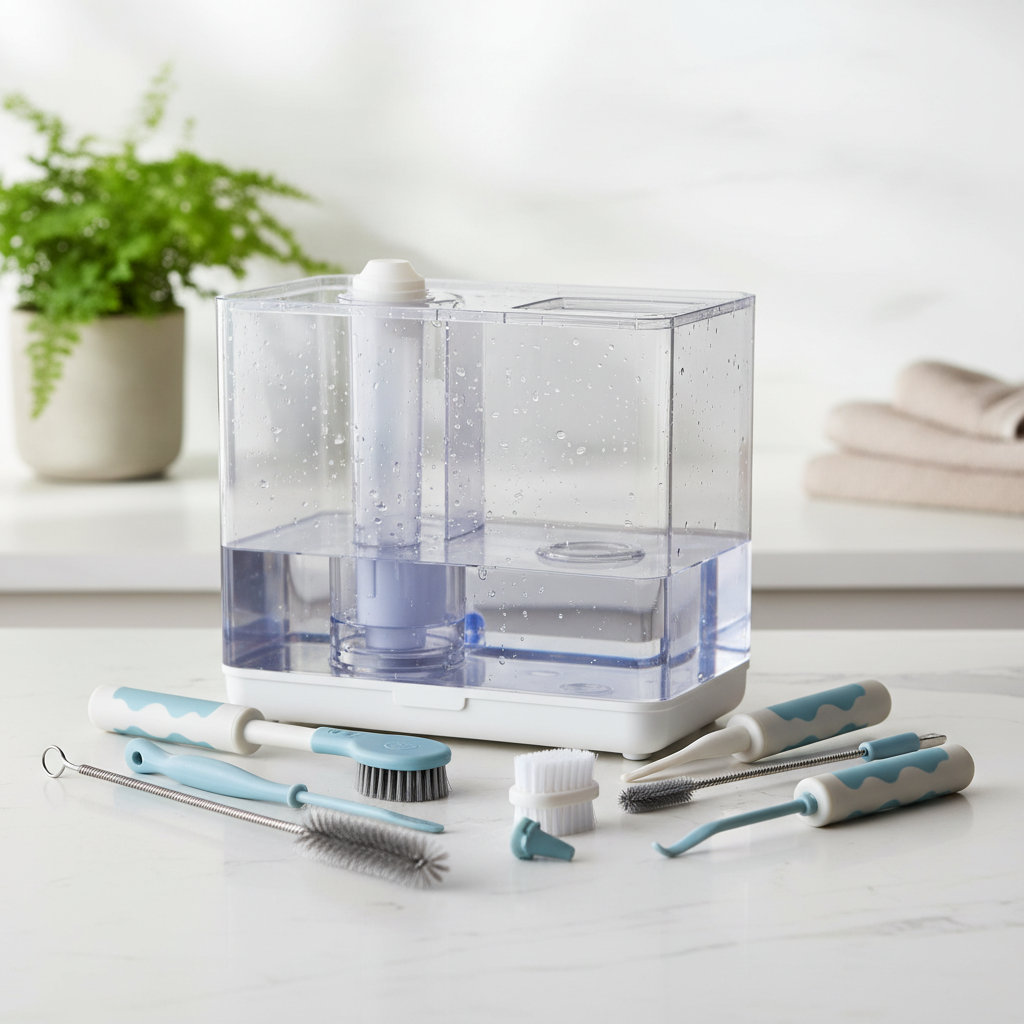
The quest for a truly clean home often leads us to scrutinize our cleaning tools. When it comes to scrubbing those hard-to-reach nooks and crannies in bottles, vases, and various containers, the choice of a bottle brush is paramount. But faced with the two dominant contenders—silicone and nylon bristles—how do you decide which reigns supreme in cleaning power, hygiene, and durability? This comprehensive guide will delve into the characteristics of each, helping you make an informed choice for your daily cleaning needs.
What is a Bottle Brush and Why Do You Need One?
A bottle brush is a specialized cleaning tool designed to reach and effectively clean the interior surfaces of containers with narrow openings or deep cavities, where conventional sponges or cloths cannot reach. From baby bottles to reusable water bottles, wine carafes, and delicate glassware, these brushes are indispensable for maintaining hygiene and prolonging the lifespan of your items. Without a dedicated bottle brush, residue can accumulate, leading to unpleasant odors, bacterial growth, and even potential health risks, especially in items used for food and drink. They tackle the grime that builds up over time, ensuring your vessels are not just visually clean but truly sanitized.
Popular Bottle Brush Types: Materials and Designs
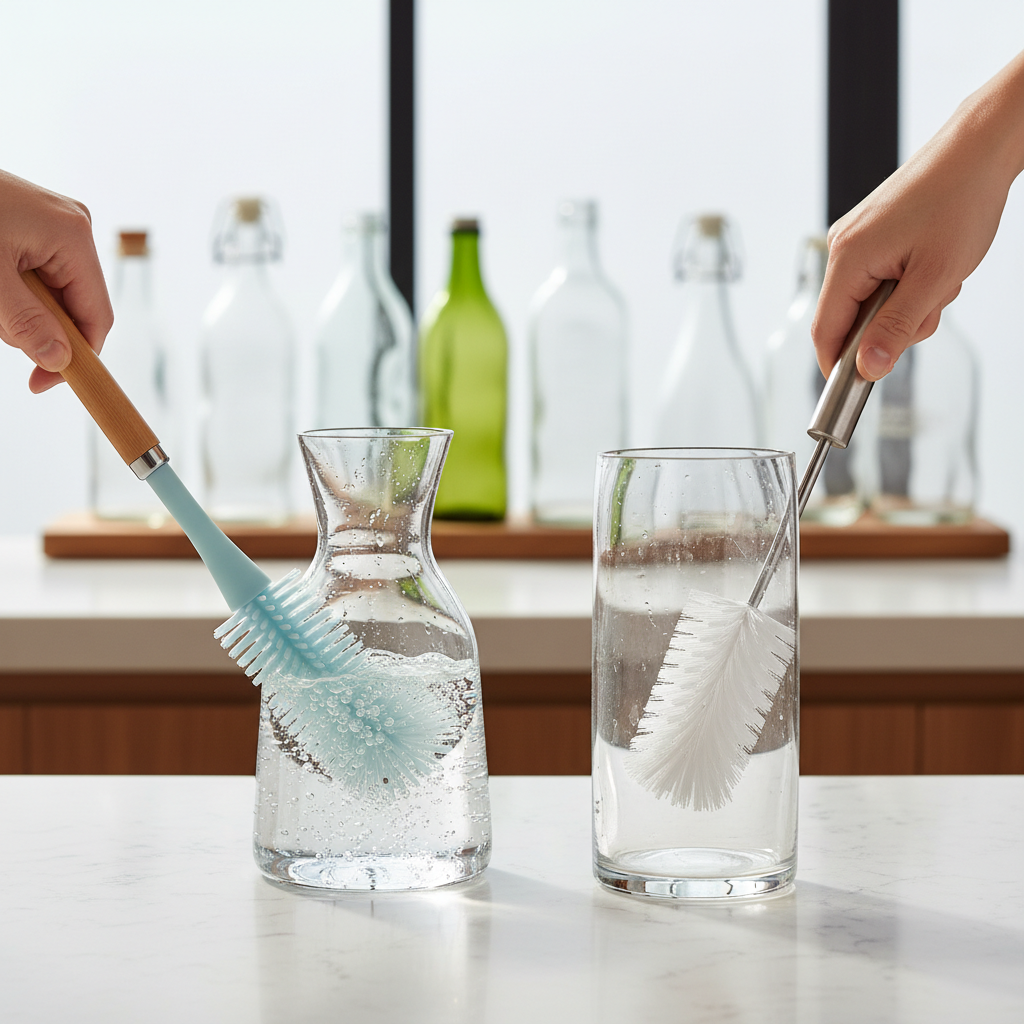
Bottle brushes come in a variety of materials and designs, each catering to different cleaning tasks and preferences. The primary distinction often lies in the bristle material, with nylon and silicone being the most prevalent. Nylon brushes typically feature sturdy bristles bundled together, often with a smaller brush or sponge at the tip for intricate areas. Silicone brushes, on the other hand, are characterized by their soft, flexible, and often widely-spaced nubs or fins, molded from a single piece of silicone. Beyond materials, designs vary greatly in handle length, brush head shape (round, pointed), and flexibility to accommodate diverse container shapes and sizes. Understanding these variations is the first step in selecting the right tool for the job.
Key Factors When Choosing a Bottle Brush
Selecting the ideal bottle brush involves more than just picking the first one you see. Several critical factors influence a brush’s effectiveness, longevity, and safety.
Material Safety and Hygiene
|
Our Picks for the Best Bottle brush in 2026
As an Amazon Associate I earn from qualifying purchases.
|
||
| Num | Product | Action |
|---|---|---|
| 1 | Scotch-Brite Glass and Water Bottle Brush, Long-Lasting, Safe on Glassware, Shaker Bottles, Food Processors, & More, Non-slip handle, Durable, Reusable, Clean in Top Rack of Your Dishwasher |

|
| 2 | MR.SIGA Long Handle Bottle Brush, Flexible Scrub Brush for Water Bottles, Glasswares, Mugs, Black, 2 Pack |
|
| 3 | Holikme Bottle Brush Tube Cleaning Lab Set with Long Handle, Cup Cleaner for Washing Narrow Neck Beer Wine Decanter Pipes Lids Sinks Cap Covers, White |
|
| 4 | OXO Tot Bottle Brush with Stand, Baby Bottle Brush |
|
| 5 | ALINK 16 inch Long Bottle Brush Cleaner for Washing Wine/Beer/Sport Well/Thermos/Glass, Hummingbird Feeder and Long Narrow Neck Sport Bottles |
|
| 6 | Holikme 6 Pack Bottle Brush Set, 14" Long Handle Stainless Steel Bottle Cleaner Brush, 3 Straw Brushes, 3-in-1 Bottle Cleaning Brush for Water Bottle, Antistatic Lab Brushes, Straws Black |
|
| 7 | Amazon Brand - Mama Bear Baby Bottle Brush with Nipple Cleaner and Suction Cup Stand, White (Pack of 3) |
|
| 8 | ROSEOK 2 in 1 Long Handle Bottle Brush with Straw Brush for Cleaning Glass, Sports Bottle, Coffee Mug,Navy Blue,1 Pack |
|
| 9 | Munchkin Sponge Bottle Brush, Grey/Sage, 2 Count (Pack of 1) |
|
| 10 | Momcozy Bottle Brush Kit with Push-Press Foam Design - Newborn Essentials Gift, Portable Cleaning Tool for Home & Travel, Baby Bottle Cleaner Brush for Breast Pumps & Nipples, Green |
|
The material of your bottle brush directly impacts its safety and hygienic properties. For items like baby bottles, opting for BPA-free and non-toxic materials is crucial. Silicone is naturally non-porous, making it highly resistant to bacteria and odors. It dries quickly and is often dishwasher-safe, allowing for easy and thorough sanitization. Nylon, while effective at scrubbing, is more porous and can trap moisture and food particles, potentially harboring bacteria if not meticulously cleaned and dried.
Design and Ergonomics
A well-designed bottle brush features a sturdy, comfortable handle that provides a secure grip, reducing hand fatigue during extended cleaning sessions. The brush head should be flexible enough to navigate the contours and corners of various bottles, ensuring no spot is missed. Some advanced designs offer replaceable heads, extending the life of the handle and reducing waste. Look for features that enhance reach and maneuverability for optimal cleaning performance.
Size and Reach
The size of your bottle brush should correspond to the items you frequently clean. A brush with a sufficiently long handle is essential for reaching the bottom of tall bottles, while a flexible or specialized head can tackle narrow necks and tight crevices. Consider storage space as well; some brushes come with stands or hanging loops for convenient, hygienic storage.
Brand Reputation and Value
Investing in a bottle brush from a reputable brand often translates to higher quality, better performance, and greater durability. While price is a consideration, balancing it with the brush’s overall quality and expected lifespan offers better long-term value. A more expensive, durable brush that lasts for years can be more cost-effective than frequently replacing cheaper, less effective alternatives.
Silicone vs. Nylon Bristles: A Detailed Comparison
The debate between silicone and nylon bristles boils down to their fundamental properties and how these translate to cleaning performance. Here’s a detailed comparison to help you weigh your options:
| Feature | Silicone Bristles | Nylon Bristles |
|---|---|---|
| Cleaning Power | Gentle, excels at removing fresh residue and milk rings; less abrasive for baked-on grime. | Abrasive, highly effective for tough, dried-on grime, and thorough scrubbing. |
| Hygiene | Non-porous, resists bacteria and odors; quick-drying and often dishwasher-safe for superior sanitization. | Porous material can trap moisture and food particles, potentially harboring bacteria if not dried meticulously. |
| Durability | Highly durable, maintains shape, long-lasting, and resistant to wear and tear. | Strong and robust, but bristles can fray or degrade over time with heavy use, potentially requiring more frequent replacement. |
| Gentleness | Exceptionally gentle, making it safe for delicate surfaces like glass, plastic, and coated bottles without scratching. | Can be abrasive, with the potential to scratch delicate surfaces or remove coatings on bottles. |
| Maintenance | Easy to clean; can be sterilized in high temperatures (e.g., dishwasher); shakes dry quickly. | Requires thorough rinsing and drying to prevent bacterial growth; may take longer to dry completely. |
| Best For | Everyday cleaning of baby bottles, glassware, and sensitive items where gentleness and hygiene are top priorities. | Tackling stubborn, caked-on residue, heavy-duty cleaning, and situations requiring strong scrubbing action. |
Proper Use and Maintenance of Your Bottle Brush
To maximize the effectiveness and lifespan of your bottle brush, proper usage and maintenance are key.
How to Use
Always rinse your bottle brush thoroughly with warm water and soap before and after each use. Apply an appropriate cleaning solution, then gently but firmly scrub all interior surfaces of the bottle, paying close attention to the bottom, neck, and any intricate areas. Ensure the brush head reaches every corner to effectively dislodge residue. If your brush has a smaller nipple or straw cleaner, use it for those specific components.
How to Care
After cleaning, rinse the brush thoroughly to remove all soap and debris. It’s crucial to allow the brush to air dry completely in a well-ventilated area to prevent bacterial growth, especially for nylon brushes. Many silicone brushes are dishwasher-safe, offering a convenient way to sanitize them regularly. While silicone brushes are known for their longevity, nylon brushes may need to be replaced every 3-6 months, or sooner if the bristles show signs of wear, fraying, or develop an odor. Remember, a clean brush is essential for truly clean items.
Where to Buy and Top-Rated Options
Bottle brushes are widely available at various retailers, making them easy to acquire. You can find them at baby specialty stores, major supermarkets, home goods stores, and a plethora of online marketplaces. Look for brands known for their quality and positive customer reviews. While specific product recommendations can vary, popular choices often include those with strong, ergonomic handles, versatile cleaning heads, and durable materials, whether you prefer the gentle touch of silicone or the robust scrubbing power of nylon. Consider sets that include smaller brushes for nipples and straws for a complete cleaning solution.
Expert Advice: Making Your Best Choice
As an experienced technician in household item sanitation, I’ve seen firsthand the difference the right tool makes. When choosing between silicone and nylon bristles, consider the primary items you’ll be cleaning and the nature of the grime you typically encounter. For delicate items like baby bottles or fine glassware, or if superior hygiene and bacteria resistance are your top priorities, silicone is an excellent choice. Its gentle nature prevents scratches, and its non-porous surface is a hygienic dream. However, for stubborn, dried-on food particles or heavy-duty scrubbing, nylon’s abrasive power is often unmatched. Ultimately, the “best” brush is the one that aligns with your specific needs, cleaning habits, and the types of items you regularly sanitize. Don’t be afraid to try both to see which best fits your lifestyle and ensures your items are sparkling clean and safe.
Conclusion
Both silicone and nylon bristles offer distinct advantages in the realm of bottle cleaning. Silicone excels in hygiene, gentleness, and durability, making it perfect for delicate items and everyday maintenance where bacterial resistance is paramount. Nylon, with its superior scrubbing power, is the go-to for tackling tough, baked-on residue. Your decision should hinge on what you value most: a gentle, highly hygienic clean or a powerful, abrasive scrub. By understanding the unique strengths of each material, you can confidently select the bottle brush that best serves your household’s needs, ensuring impeccable cleanliness and peace of mind. Which bristle type will become your trusted cleaning companion?
Frequently Asked Questions
Are silicone bottle brushes effective at removing stubborn stains?
Silicone brushes are generally less aggressive than nylon brushes and may require a pre-soak or additional effort for heavily baked-on or stubborn stains. They are highly effective for fresh residue and milk rings.
How often should I replace a nylon bottle brush compared to a silicone one?
Nylon bottle brushes typically need replacement every 3-6 months, or when bristles show signs of wear or fraying. Silicone brushes are far more durable and can last much longer, sometimes for years, due to their resistance to degradation.
Can I use the same bottle brush for baby bottles and other household items?
It is generally recommended to have separate bottle brushes for baby bottles and other household items to prevent the transfer of bacteria and contaminants, ensuring optimal hygiene for your infant.
Are silicone brushes truly more hygienic?
Yes, silicone is naturally non-porous, which means it resists bacteria, odors, and mold more effectively than porous nylon bristles. This makes silicone brushes easier to sanitize and a more hygienic choice overall.