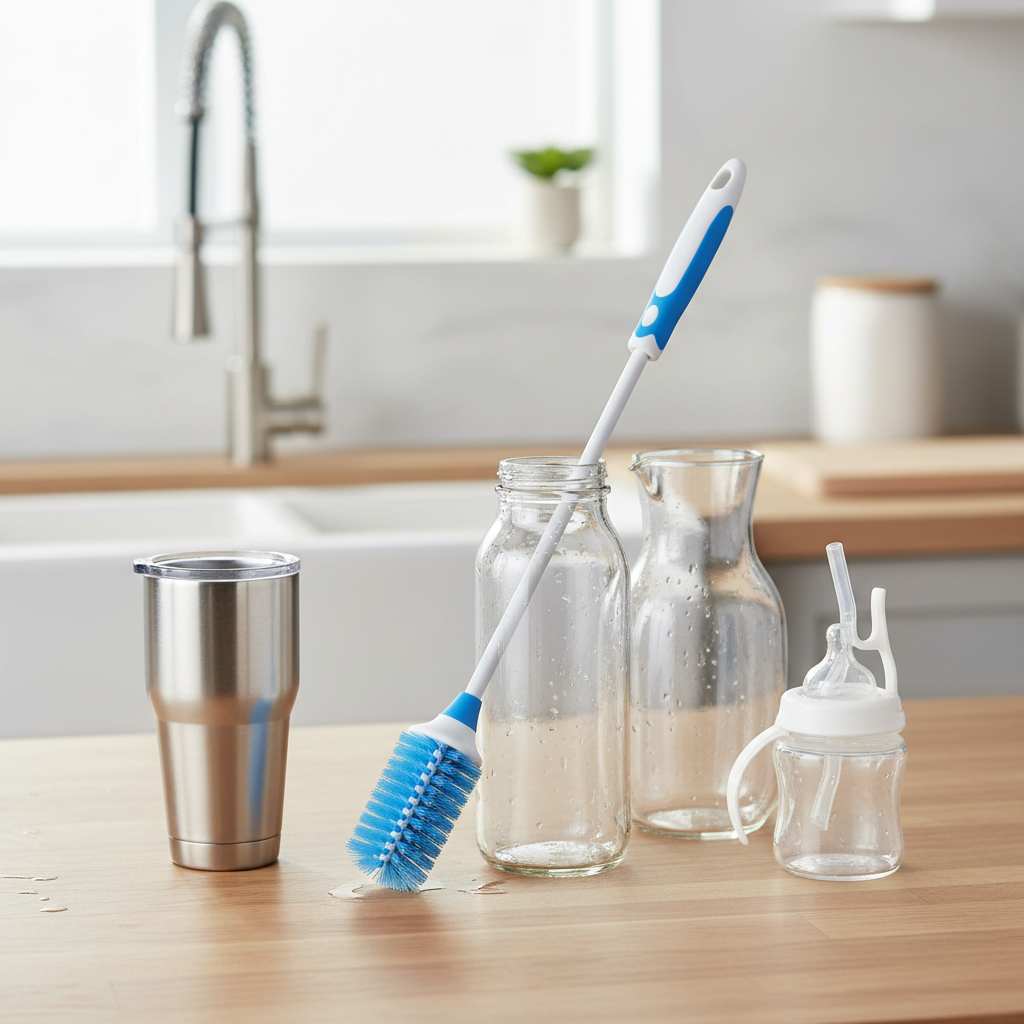
Every home chef knows the magic a blender brings to the kitchen, whipping up everything from silky smoothies to savory soups. But the joy of creation often turns into the dread of cleanup, especially when it comes to those notoriously sharp blades and hidden crevices. Food particles love to cling to these hard-to-reach areas, creating a breeding ground for bacteria and unpleasant odors. The good news? You don’t have to risk your fingers or settle for a less-than-spotless blender. With the right specialized cleaning brushes, you can ensure every inch of your blender, particularly its formidable blades, is hygienically clean and ready for your next culinary adventure. This guide will walk you through everything you need to know about selecting, using, and maintaining the best brushes for safely cleaning your blender blades.
What is a Blender Cleaning Brush and Why Do You Need It?
A blender cleaning brush is a specialized tool designed to safely and effectively remove food residue from the intricate parts of your blender, especially around the sharp blades, under the blade assembly, and within gaskets and seals. Traditional sponges and cloths are often too bulky to reach these tight spots, leading to incomplete cleaning, lingering odors, and potential bacterial growth.
Using a dedicated blender cleaning brush is crucial for several reasons. Firstly, it ensures thorough hygiene, eliminating food traps that can spoil future blends. Secondly, it prioritizes safety by allowing you to clean around sharp blades without direct hand contact, significantly reducing the risk of cuts. Finally, regular and proper cleaning with the right tools helps maintain your blender’s performance and extends its lifespan by preventing corrosion and buildup that can damage components over time.
Popular Types of Blender Cleaning Brushes on the Market
The market offers a variety of blender cleaning brushes, each with unique features designed to tackle specific cleaning challenges. Understanding the different types can help you choose the best fit for your blender and cleaning habits.
Blender brushes are typically categorized by their material and design.
By Material:
- Nylon Bristles: Often firm yet flexible, nylon bristles are excellent for scrubbing away stubborn residue without scratching the blender’s surfaces. They are durable and quick-drying.
- Silicone Bristles: Known for their gentleness and heat resistance, silicone brushes are great for delicate surfaces and are often dishwasher safe, offering easy sanitization.
- Plastic/Wire Core: Many brushes feature a sturdy plastic or wire core that provides the necessary rigidity to reach deep into blender jars and around blades, ensuring the bristles can apply effective pressure.
By Shape and Design:
- Bottle Brush Style: These brushes typically feature a long handle and a rounded head with bristles, similar to brushes used for baby bottles. Their design is effective for reaching the bottom and sides of blender jars.
- Detailing Brushes/Sets: Often coming in sets, these brushes include various small, angled, or pointed heads specifically designed to navigate tiny crevices, gaskets, and around the blade assembly itself. The XANGNIER 7-piece cleaning brush set, for instance, includes specialized bottle brush designs and firm, flexible bristles to access stubborn nooks and crannies without scratching surfaces.
- Blade-Specific Brushes: Some brushes are uniquely shaped to fit directly around or under the blender blades, providing a safer way to clean these sharp areas. The Brushtech Immersion Blender and Portable Blender Blade Cleaning Brush, for example, boasts an innovative design tailored to fit and clean every nook and cranny of immersion blenders. Similarly, the Foodi® Blender Cleaning Brush is specifically designed to get under the blades of Foodi blenders.
- Wedge Scrapers: Often included in comprehensive cleaning sets like the OXO Good Grips Deep Clean Brush Set, these small, firm scrapers are ideal for dislodging dried-on food from gaskets and seals without damaging them.
Each type offers distinct advantages, making a combination of brushes often the most effective approach for a thoroughly clean blender.
Crucial Criteria When Choosing a Blender Cleaning Brush
Selecting the right blender cleaning brush involves considering several important factors to ensure effectiveness, safety, and longevity.
Quality of Materials
The materials used in your blender brush directly impact its performance and safety.
- Health Safety (BPA-free, non-toxic): Ensure that any plastic components of the brush are BPA-free and made from non-toxic materials, especially since they will be in contact with surfaces that prepare your food.
- Durability and Heat Resistance: High-quality bristles, such as firm yet flexible nylon, should be durable enough to withstand repeated scrubbing without deforming or shedding. The handle material (like PP and TPE used in the Beast Cleaning Brush) should be robust and comfortable to hold. Brushes should also be able to withstand hot water for effective cleaning and sanitization.
- Ease of Cleaning and Sanitization: The brush itself needs to be easy to clean and dry to prevent mildew and bacterial growth. Some brushes are dishwasher safe, while others may require hand washing and a vinegar soak for deep sanitization. For example, the Beast Cleaning Brush is not dishwasher safe but can be sanitized with a vinegar soak.
|
Our Picks for the Best Bottle brush in 2026
As an Amazon Associate I earn from qualifying purchases.
|
||
| Num | Product | Action |
|---|---|---|
| 1 | Munchkin Sponge Bottle Brush, Grey/Sage, 2 Count (Pack of 1) |

|
| 2 | OXO Tot Bottle Brush with Stand, Baby Bottle Brush |
|
| 3 | ALINK 16 inch Long Bottle Brush Cleaner for Washing Wine/Beer/Sport Well/Thermos/Glass, Hummingbird Feeder and Long Narrow Neck Sport Bottles |
|
| 4 | Scotch-Brite Glass and Water Bottle Brush, Long-Lasting, Safe on Glassware, Shaker Bottles, Food Processors, & More, Non-slip handle, Durable, Reusable, Clean in Top Rack of Your Dishwasher |
|
| 5 | Holikme 6 Pack Bottle Brush Set, 14" Long Handle Stainless Steel Bottle Cleaner Brush, 3 Straw Brushes, 3-in-1 Bottle Cleaning Brush for Water Bottle, Antistatic Lab Brushes, Straws Black |
|
| 6 | Holikme Bottle Brush Tube Cleaning Lab Set with Long Handle, Cup Cleaner for Washing Narrow Neck Beer Wine Decanter Pipes Lids Sinks Cap Covers, White |
|
| 7 | ROSEOK 2 in 1 Long Handle Bottle Brush with Straw Brush for Cleaning Glass, Sports Bottle, Coffee Mug,Navy Blue,1 Pack |
|
| 8 | Amazon Brand - Mama Bear Baby Bottle Brush with Nipple Cleaner and Suction Cup Stand, White (Pack of 3) |
|
| 9 | Momcozy Bottle Brush Kit with Push-Press Foam Design - Newborn Essentials Gift, Portable Cleaning Tool for Home & Travel, Baby Bottle Cleaner Brush for Breast Pumps & Nipples, Green |
|
| 10 | MR.SIGA Long Handle Bottle Brush, Flexible Scrub Brush for Water Bottles, Glasswares, Mugs, Black, 2 Pack |
|
Ergonomic Design
A well-designed brush enhances the cleaning experience and ensures maximum effectiveness.
- Sturdy, Comfortable Handle: An ergonomic handle provides a secure and comfortable grip, preventing slippage and hand fatigue, especially when scrubbing stubborn residues. The Brushtech brush, for instance, features a comfortable grip for hassle-free cleaning.
- Flexible Brush Head for Hard-to-Reach Areas: The brush head should be flexible enough to bend and conform to the contours of your blender jar and around the blades, yet firm enough to dislodge grime. Look for brushes with bristles that can reach under blades and into narrow gaskets and seals. The Beast Cleaning Brush includes a detailing tool specifically for tight areas like the gasket on the blade assembly.
- Replaceable Brush Heads (If Applicable): While not common for all blender brushes, some systems may offer replaceable heads, which can be an economical and eco-friendly option for maintaining optimal cleaning performance.
Appropriate Size
The size of your cleaning brush matters for both functionality and storage.
- Fits Blender Size: The brush should be long enough to reach the bottom of your blender jar and narrow enough to maneuver around the blade assembly. For immersion blenders or portable blenders, specialized brushes like Brushtech’s are designed to fit their unique dimensions.
- Easy Storage: Consider how easily the brush can be stored without taking up too much space in your kitchen. Many specialized blender brushes are designed to be compact.
Brand Reputation and Price
Choosing a reputable brand often correlates with higher quality and better performance.
- Trusted Brands: Look for brands known for producing quality kitchen tools or cleaning accessories. Brands like OXO, Brushtech, XANGNIER, Beast Health, and SharkNinja offer specialized solutions for blender cleaning.
- Value for Money: Compare prices and features across different brands. While a higher price might indicate superior materials or design, it’s essential to ensure the brush offers good value for its cost and meets your specific cleaning needs.
Comparing Popular Blender Cleaning Brushes
To help you make an informed decision, here’s a comparison of some popular blender cleaning brushes, highlighting their key features and considerations:
| Feature | XANGNIER 7-piece Cleaning Brush Set | OXO Good Grips Deep Clean Brush Set | Brushtech Immersion Blender & Portable Blender Blade Cleaning Brush | Beast Cleaning Brush | Foodi® Blender Cleaning Brush |
|---|---|---|---|---|---|
| Material | Firm yet flexible bristles | Various (includes wedge scraper) | High-quality, durable bristles | PP, TPE (handle materials); bristles not specified, but effective | Not specified |
| Design | Specialized bottle brush designs, various tools | Multiple brushes, includes wedge scraper | Innovative design tailored for immersion/portable blenders, comfortable grip | Main cleaning head + detailing tool for gaskets | Designed to get under blades, perfect for Foodi blenders |
| Size | Compact, lightweight (0.13 kg) | Not specified, but a set of small brushes | Not specified, but designed for specific blender types | Length: 12.75 in, Weight: 0.47 lbs | Length: 14.17 in, Weight: 3.53 lbs (likely for larger Foodi jars) |
| Price | Not specified in snippets, but likely affordable | Approx. $9 | $8.49 USD | $18 | $13.99 |
| Pros | Versatile, reaches tight corners, non-scratching, good for Ninja/Magic Bullet. | Good for small crevices and scraping stubborn gunk. | Thorough and efficient, durable, comfortable grip, easy to clean. | Works with Beast vessels, good for gaskets, multipurpose. | Perfect tool for Foodi blender pitchers, gets under blades. |
| Cons | May have more pieces than some need. | May need additional brushes for full cleaning. | Specific to immersion/portable blenders. | Not dishwasher safe, specific to Beast products. | Only compatible with specific Foodi models. |
How to Use and Maintain Your Blender Cleaning Brush Properly
Even the best cleaning brush needs to be used and cared for correctly to maximize its effectiveness and ensure long-term hygiene.
Proper Usage Techniques
- Always Unplug First: Before you begin cleaning, always ensure your blender is unplugged from the power source. This is the most critical safety step to prevent accidental activation and potential injury.
- Disassemble Components: Take apart any detachable parts of your blender, such as the jar, lid, and if possible, the blade assembly and gaskets. Soaking these components in warm, soapy water for a few minutes can help loosen dried food particles.
- Use with Appropriate Cleaning Solution: Use your cleaning brush with a mild dish soap and warm water. For stubborn stains or odors, consider natural cleaning solutions like a vinegar-baking soda paste or a DIY citrus cleaner. Mixing equal parts white vinegar and water and running it in the blender for 30 seconds can effectively loosen grime and reduce mineral deposits.
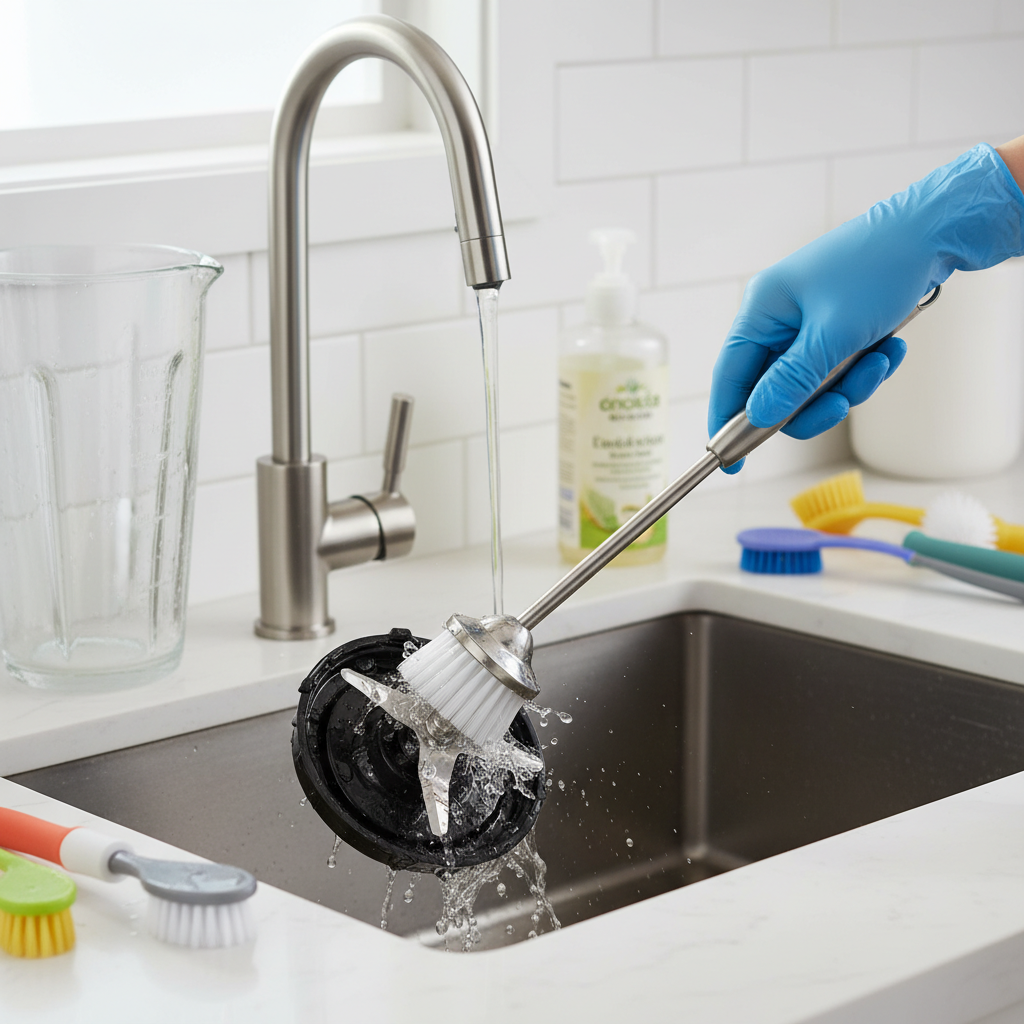
- Thorough Scrubbing: Gently but firmly scrub all surfaces, paying special attention to the areas around the blades, under the blade assembly, and within the gaskets and seals where food often accumulates. Use the specialized features of your brush (e.g., detailing tools, wedge scrapers) for specific problem areas.
- Rinse Thoroughly: After scrubbing, rinse all blender parts and the cleaning brush thoroughly under running water to remove all soap and residue.
Maintaining Your Cleaning Brush
Just like any other kitchen tool, your blender cleaning brush needs regular care to stay effective and hygienic.
- Rinse After Each Use: Immediately after cleaning your blender, rinse the brush under hot water to flush out any food particles and soap residue.
- Wash with Dish Soap: Work a little dish soap into the bristles with your fingers and clean the handle as well. Rinse well to ensure all soap is removed.
- Air Dry Properly: Shake off excess water and allow the brush to air dry completely. Store it bristles-up in a well-ventilated area. Avoid storing it in a closed cup, as this can encourage mildew growth.
- Regular Sanitization:
- Weekly Deep Clean: For a deeper clean, soak your brush in a solution of 1:1 hot water and white vinegar for 10-15 minutes, then rinse thoroughly.
- For Odor/Buildup: If the brush develops an odor or has stubborn buildup, scrub the bristles with a little baking soda paste, then rinse.
- Replace Periodically: Even the most durable brushes wear out over time. It’s a good practice to replace your blender cleaning brush every 3-6 months, or sooner if the bristles become frayed, matted, or discolored.
“A clean blender isn’t just about aesthetics; it’s fundamental to food safety and prolonging your appliance’s life. Don’t underestimate the power of a specialized brush to reach those unseen contaminants.” – Amara Garcia, Kitchen Appliance Care Specialist
Where to Buy Blender Cleaning Brushes: Top Picks
Blender cleaning brushes are widely available, both online and in physical stores.
Suggested Retailers:
- Specialty Kitchen Stores: These stores often carry a curated selection of high-quality kitchen tools, including specialized cleaning brushes.
- Large Retailers/Supermarkets: Stores like Walmart, Target, and similar large chains typically have a home goods or kitchenware section where you can find various cleaning brushes.
- Online Marketplaces: Websites like Amazon, eBay, and directly from brands such as Brushtechbrushes.com, TheBeast.com, and SharkNinja.com offer a vast selection, often with customer reviews that can guide your purchase.
Top Product Recommendations (based on research):
- XANGNIER 7-piece cleaning brush set: Highly versatile for reaching tight spots and effective for popular brands like Ninja and Magic Bullet.
- OXO Good Grips Deep Clean Brush Set: Excellent for small crevices and includes a handy wedge scraper for gaskets.
- Brushtech Immersion Blender and Portable Blender Blade Cleaning Brush: Innovatively designed for thorough cleaning of immersion and portable blenders.
- Beast Cleaning Brush: Ideal for Beast blender users, featuring a detailing tool for gaskets and multipurpose cleaning.
- Foodi® Blender Cleaning Brush: The perfect tool for getting under the blades of Foodi blender pitchers.
Buying Guide: Expert Advice for Choosing Your Blender Cleaning Brush
As a technician with over a decade of experience in home appliance maintenance, I’ve seen firsthand the difference a good cleaning brush makes. Here’s my expert advice for making your selection:
When choosing a blender cleaning brush, prioritize safety and effectiveness. Look for brushes with firm yet flexible bristles that can navigate the sharp blades and tight crevices without scratching your blender’s surfaces. An ergonomic handle is paramount for a comfortable and secure grip, reducing the risk of slips. Consider the specific type of blender you own—a specialized brush for an immersion blender will differ from one designed for a large countertop model. Investing in a multi-piece set often provides the best value, equipping you with various tools for different cleaning challenges, from wide jar scrubbing to precise gasket detailing. Always opt for BPA-free materials for peace of mind. Remember, the goal is not just a clean blender, but a safely cleaned blender that will serve you well for years to come.
Conclusion
Keeping your blender hygienically clean, especially around its sharp blades, is essential for both food safety and the longevity of your appliance. Specialized cleaning brushes are not just a convenience; they are a necessity for reaching every nook and cranny that traditional cleaning methods miss. By understanding the different types of brushes, knowing what criteria to look for, and following proper usage and maintenance guidelines, you can ensure your blender remains spotless, odor-free, and always ready to blend your next masterpiece safely. Don’t let cleaning become a dreaded chore; equip yourself with the right tools and transform it into a quick, satisfying routine.
What’s your biggest blender cleaning challenge, and do you think a specialized brush could solve it for you?
Frequently Asked Questions
How do I deep clean a blender without cutting myself?
To deep clean a blender safely, always unplug it first. Wear cleaning gloves for hand protection and use long-handled brushes designed to reach around the blades without direct contact. Soaking the disassembled parts in soapy water before scrubbing also helps loosen grime, reducing the need for aggressive scrubbing near sharp edges.
What are the best natural cleaning solutions for blenders?
Natural cleaning solutions like a mixture of white vinegar and water (equal parts) are excellent for dissolving residue and eliminating odors. For tougher stains, a paste made from baking soda and water can provide gentle abrasion without scratching. DIY citrus cleaners made from steeped lemon or orange peels in vinegar also offer natural degreasing power.
How often should I clean my blender cleaning brush?
You should rinse your blender cleaning brush with hot water and dish soap after every use and allow it to air dry bristles-up. For a weekly deep clean, soak the brush in a 1:1 hot water and white vinegar solution for 10-15 minutes. This routine prevents mildew, odors, and ensures the brush itself remains hygienic.
Can I put my blender cleaning brush in the dishwasher?
While some silicone brushes may be dishwasher safe, many brushes, especially those with plastic handles or specific bristle types, are not. For example, the Beast Cleaning Brush is not dishwasher safe. Always check the manufacturer’s instructions. Handwashing with hot, soapy water and regular sanitization with vinegar is often recommended for longevity.
How do I clean around the gasket of my blender?
Gaskets are notorious for trapping food residue. Specialized detailing brushes with small, flexible heads, or even a wedge scraper (like those found in the OXO Good Grips Deep Clean Brush Set), are ideal for getting into these tight areas. Soak the gasket first to loosen any dried particles, then gently scrub with the appropriate tool.