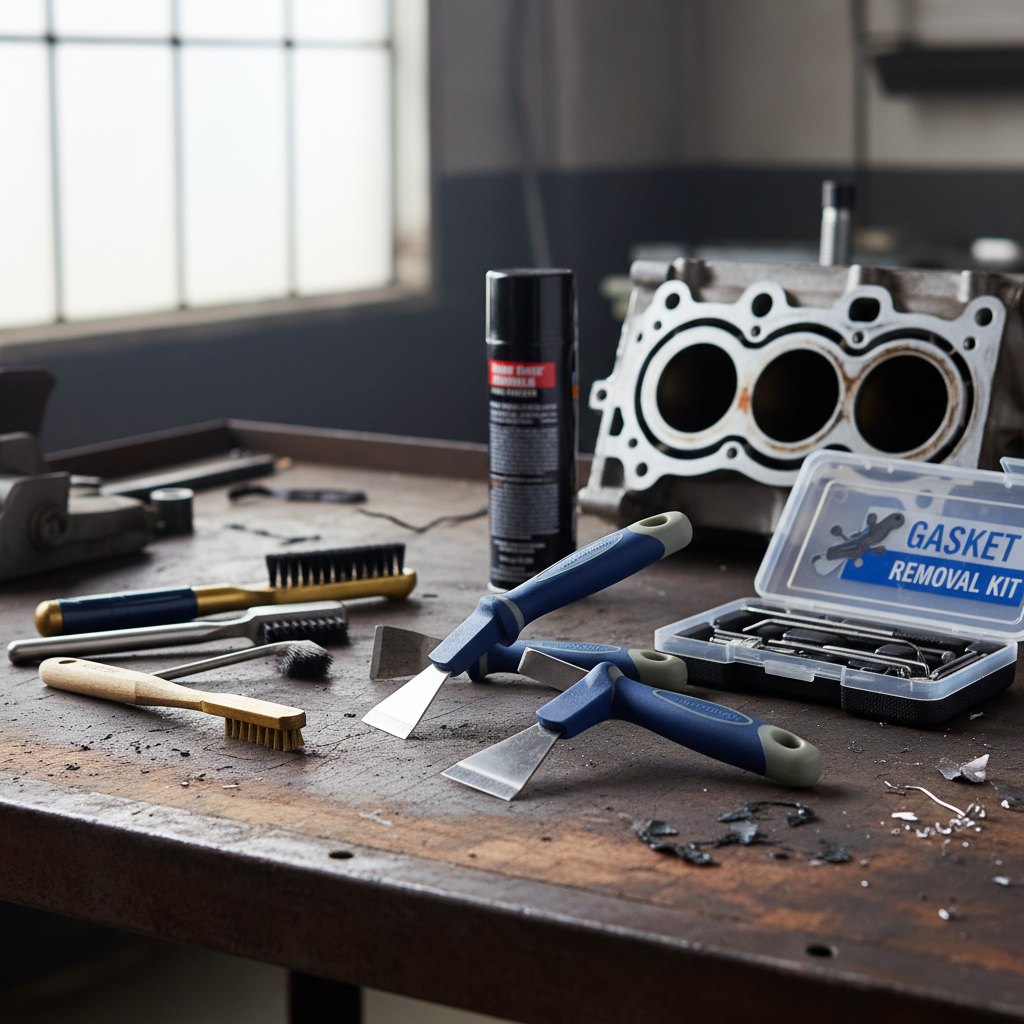
Struggling with old, stubborn gaskets that seem welded to your engine block or other components? You’re not alone. Removing caked-on gasket material is a crucial, yet often frustrating, step in any automotive or mechanical repair. The success of your new gasket installation hinges entirely on how clean and smooth the mating surfaces are. Without the right tools, this task can quickly turn into a headache, leading to potential damage, uneven sealing, and costly leaks down the line. This comprehensive guide will walk you through the best gasket removal tools, from specialized scrapers to abrasive brushes, and how to choose the ideal kit to ensure a flawless, leak-free seal every time.
What Are Gasket Removal Tools and Why Do You Need Them?
Gasket removal tools are specialized instruments designed to safely and efficiently strip away old, hardened gasket material, sealants, and carbon deposits from mechanical surfaces. These tools are indispensable in automotive repair, industrial maintenance, and even some plumbing applications where two components meet to form a seal. The primary purpose of these tools is to meticulously clean mating surfaces, ensuring they are perfectly flat and free from any residue before a new gasket is installed.
Any remaining fragments of old gasket, RTV (Room Temperature Vulcanizing) silicone, or corrosion can create tiny gaps, compromising the integrity of the new seal. This leads to fluid or gas leaks, which can cause significant operational issues, reduce efficiency, and result in expensive repairs if not addressed promptly. Effective gasket removal isn’t just about getting rid of the old; it’s about preparing for the new, guaranteeing maximum contact between the gasket and the mating surfaces for optimal performance and longevity.
Types of Gasket Removal Tools
The landscape of gasket removal tools is diverse, with each type offering unique advantages for different materials and levels of stubbornness. A well-equipped mechanic or DIY enthusiast often has a variety of these tools on hand.
Manual Scrapers
Manual scrapers are the workhorses of gasket removal, offering precision and control for delicate or intricate jobs.
- Flat Blade Scrapers: Resembling paint removal scrapers, these are among the most popular. They feature a flat, sharp-edged blade, often made from heat-treated steel, and are excellent for general gasket material removal. They come in various widths and lengths to tackle different areas.
- Carbide Scrapers: Known for their exceptional hardness and durability, carbide scrapers excel at removing extremely stubborn, baked-on gasket material, rust, and carbon buildup. Their tungsten carbide tips retain sharpness longer than steel and can make quick work of tough residue. However, caution is advised when using them on softer metals like aluminum, as they can scratch or gouge the surface if not handled properly.
- Razor Blade Scrapers: These tools hold standard metal or plastic razor blades, offering a very fine edge for delicate work, especially on paper gaskets or multi-layer steel (MLS) gasket coatings. Plastic razor blades are particularly useful for cleaning aluminum surfaces, preventing damage that metal blades might cause.
- Chisel-Style Scrapers: With a more aggressive, angled blade, chisel-style scrapers are effective for prying off thicker, more resilient gasket pieces. They provide good leverage for stubborn spots.
- Picks: While not traditional scrapers, bent pick tools, especially those with a 90-degree angle, are invaluable for digging silicone or RTV sealant out of tight crevices and corners where larger scrapers cannot reach.
|
Our Picks for the Best Bottle brush in 2026
As an Amazon Associate I earn from qualifying purchases.
|
||
| Num | Product | Action |
|---|---|---|
| 1 | MR.SIGA Long Handle Bottle Brush, Flexible Scrub Brush for Water Bottles, Glasswares, Mugs, Black, 2 Pack |

|
| 2 | Momcozy Bottle Brush Kit with Push-Press Foam Design - Newborn Essentials Gift, Portable Cleaning Tool for Home & Travel, Baby Bottle Cleaner Brush for Breast Pumps & Nipples, Green |
|
| 3 | Holikme Bottle Brush Tube Cleaning Lab Set with Long Handle, Cup Cleaner for Washing Narrow Neck Beer Wine Decanter Pipes Lids Sinks Cap Covers, White |
|
| 4 | OXO Tot Bottle Brush with Stand, Baby Bottle Brush |
|
| 5 | ROSEOK 2 in 1 Long Handle Bottle Brush with Straw Brush for Cleaning Glass, Sports Bottle, Coffee Mug,Navy Blue,1 Pack |
|
| 6 | Munchkin Sponge Bottle Brush, Grey/Sage, 2 Count (Pack of 1) |
|
| 7 | Amazon Brand - Mama Bear Baby Bottle Brush with Nipple Cleaner and Suction Cup Stand, White (Pack of 3) |
|
| 8 | Holikme 6 Pack Bottle Brush Set, 14" Long Handle Stainless Steel Bottle Cleaner Brush, 3 Straw Brushes, 3-in-1 Bottle Cleaning Brush for Water Bottle, Antistatic Lab Brushes, Straws Black |
|
| 9 | ALINK 16 inch Long Bottle Brush Cleaner for Washing Wine/Beer/Sport Well/Thermos/Glass, Hummingbird Feeder and Long Narrow Neck Sport Bottles |
|
| 10 | Scotch-Brite Glass and Water Bottle Brush, Long-Lasting, Safe on Glassware, Shaker Bottles, Food Processors, & More, Non-slip handle, Durable, Reusable, Clean in Top Rack of Your Dishwasher |
|
Power Tools and Abrasive Brushes
For heavy-duty cleaning and surface conditioning, power tools equipped with abrasive attachments are often employed to achieve a pristine finish.
- Wire Wheels and Wire Brushes: Used with die grinders or drills, wire wheels and brushes can quickly remove carbon, RTV, dirt, and old gasket material. Coarse wire wheels (e.g., 0.014″ wire) are suitable for cast iron surfaces, while finer wire wheels (e.g., 0.006″ wire) can be used cautiously on both cast iron and aluminum. It’s crucial to seal off open passages with masking tape or rags to prevent debris from entering critical engine areas when using power equipment. Always wear eye and ear protection.
- 3M Roloc Conditioning Discs (Bristle Discs): These innovative discs feature molded, abrasive-filled bristles that effectively strip, deburr, blend, finish, polish, clean, and remove coatings. They are often preferred over traditional wire brushes for their ability to clean effectively with less pressure and without damaging the base material, especially on aluminum, making them an excellent choice for final surface preparation. They require a Roloc backing pad for use with a drill or die grinder.
Chemical Gasket Removers
Sometimes, mechanical scraping alone isn’t enough. Chemical gasket removers can significantly reduce the effort required to remove old, hardened gasket material.
- Gasket Solvent Sprays: Products like Permatex Gasket Remover foam up and can dissolve or soften old solvent-based gasket materials, making them easier to scrape away. They typically require 15-20 minutes to soak and work effectively.
- WD-40: While not a dedicated gasket remover, WD-40 can help loosen and soften old gasket pieces and residue, aiding in their removal with hand tools.
- Cautions: Chemical removers can be aggressive. Always check compatibility with the surface material, as some can damage paint or plastic. They are generally less effective on silicone-based sealants. Always use them in a well-ventilated area and wear appropriate personal protective equipment (PPE).
Key Considerations When Choosing Gasket Removal Tools and Kits
Selecting the right gasket removal tools is paramount for achieving professional results without damaging your components.
Material Compatibility
Consider the material of the surface you’re cleaning. Aluminum components, commonly found in modern engines, are softer and more susceptible to scratching than cast iron or steel. For aluminum, opt for plastic scrapers, plastic razor blades, or fine-wire brushes and less aggressive abrasive discs like 3M Roloc discs to avoid marring the surface. For tougher materials, carbide scrapers or coarser wire wheels can be more effective.
Blade Material and Sharpness
The effectiveness of a scraper largely depends on its blade. Heat-treated steel blades offer a good balance of durability and sharpness for general use. Carbide blades are superior for extreme toughness and longevity, while plastic blades provide safety for delicate surfaces. Regardless of the material, a sharp blade is critical. Dull blades require more force, increasing the risk of slips and damage.
Handle Design
An ergonomic handle provides a comfortable and secure grip, allowing for precise control and reducing hand fatigue during prolonged use. Look for handles made from dual-material composites or textured rubber for enhanced grip, especially when working with oily or greasy components. A sturdy handle also prevents flexing or breaking when applying pressure.
Kit Contents
For comprehensive gasket removal and surface preparation, consider kits that offer a variety of tools. While dedicated “gasket removal tool kits with brushes” might not be universally available, many professionals assemble their own, combining:
- A set of diverse scrapers (flat blade, carbide, razor blade holder).
- Abrasive accessories like a 3M Roloc conditioning disc set or a selection of wire brushes.
- Picks for tight spaces.
Some automotive cleaning kits for injectors or specific engine components may include specialized brushes designed for detailed cleaning, which can complement a scraper set for overall surface preparation.
Brand Reputation and Value
Investing in tools from reputable brands often translates to better quality, durability, and performance. While cost is a factor, prioritize quality over the lowest price, especially for frequently used tools. High-quality tools last longer and perform more effectively, ultimately saving time and preventing costly mistakes. Look for sets that offer good value by providing a range of essential tools that cover most gasket removal scenarios.
Top Gasket Removal Tools & Kits
While a single “gasket removal tool with brushes” kit is uncommon, the best approach involves combining high-quality scrapers with effective brushing solutions for a complete surface preparation system.
- Carbide Scraper Sets: Brands like Lisle and Snap-on offer excellent carbide scraper sets that are highly praised for their ability to remove tough gasket material. These usually come with multiple blade sizes and profiles for versatility. When paired with power-driven abrasive brushes, they form a powerful duo.
- OEMTOOLS Gasket Scraper Set: This brand offers heat-treated steel scraper sets with durable black oxide finishes, designed for various surfaces including steel, rubber, and rusted areas. These sets provide a good foundation for manual gasket removal.
- 3M Roloc Conditioning Disc Systems: These are not “included with” scrapers but are a critical complementary tool. A 3M Roloc backing pad combined with various grit conditioning discs provides an excellent power-brushing solution for final surface cleaning, especially on aluminum. These discs are far less aggressive than traditional wire wheels and are less likely to damage precision surfaces.
- Specialized Cleaning Brush Kits: For specific applications like injector bore cleaning, dedicated brush kits are available. For example, some diesel injector sleeve cleaning brush kits include various brushes designed to remove carbon deposits and clean surfaces thoroughly. While these are niche, they highlight the importance of specialized brushes in cleaning critical mating surfaces.
Many seasoned mechanics will assemble their ideal kit, often combining a high-quality set of manual scrapers with a die grinder or drill and a selection of appropriate abrasive discs or wire brushes for comprehensive cleaning.
How to Effectively Use and Maintain Your Gasket Removal Tools
Proper technique and consistent maintenance are key to maximizing the effectiveness and lifespan of your gasket removal tools.
Proper Usage Techniques
- Scraping Angle: When using a scraper, maintain a low, flat angle to the surface to avoid digging in and creating gouges. For razor blades, some technicians find dragging the blade backward at a shallow angle or using straight up-and-down motions more effective than pushing forward.
- Protect Open Passages: Before using power tools like wire wheels or abrasive discs, always cover any open passages in the component (e.g., oil passages, bolt holes) with masking tape, rags, or paper towels. This prevents debris from entering crucial engine areas.
- Utilize Chemical Removers: For particularly stubborn gaskets, apply a chemical gasket remover and allow it to soak for the recommended time before beginning to scrape. This softens the material, making manual removal much easier and reducing the risk of surface damage.
- Safety First: Always wear appropriate personal protective equipment, including safety glasses to protect against flying debris, especially when using razor blades or power tools. Gloves are also advisable to protect hands from chemicals and sharp edges.
Cleaning and Storage
- Clean After Each Use: After every job, thoroughly clean your scrapers and brushes. Gasket residue, oil, and grime can accumulate, reducing effectiveness and promoting corrosion. Use a cloth, warm water, and soap for scrapers and ensure they are completely dry before storage. For wire brushes and abrasive discs, remove any embedded material.
- Proper Storage: Store tools in a dry environment to prevent rust. Many scraper sets come with a protective case or tray, which helps keep them organized and prevents accidental damage or dulling of blades.
Sharpening and Replacement
- Sharpen Scrapers Regularly: Manual scrapers, especially steel ones, will dull over time. Regularly sharpen the blades using a sharpening stone or honing steel to maintain their cutting edge. A sharp scraper works more efficiently and reduces the effort required.
- Replace Worn Components: Razor blades should be replaced frequently, as even slight dullness can significantly hinder performance. Abrasive brushes and discs, like wire wheels or Roloc discs, also wear out. Monitor their condition and replace them when they become worn or less effective to ensure consistent cleaning results.
“The true measure of a successful gasket job isn’t just a leak-free seal, but the pristine condition of the mating surfaces underneath. Investing time in proper surface preparation with the right tools, including a combination of precise scrapers and effective brushes, is non-negotiable for long-term reliability.” – Admin, reviewmht.com, Expert Technician in Home Appliance Maintenance
Buying Guide: Expert Advice for Your Gasket Removal Arsenal
Choosing the best gasket removal tools is an investment in the longevity and reliability of your mechanical systems. As an experienced technician, I can tell you that shortcuts in gasket removal almost always lead to headaches down the road.
First, assess your primary needs. If you frequently work on aluminum components, prioritize tools like plastic scrapers, fine-wire brushes, and 3M Roloc discs to protect delicate surfaces. For heavy-duty industrial or automotive applications involving cast iron, robust carbide scrapers and coarser wire wheels might be more suitable.
Second, don’t compromise on quality. While budget-friendly options exist, high-quality tools from reputable manufacturers offer superior performance, durability, and safety. A good set of scrapers and appropriate abrasive attachments will serve you well for years, making the initial investment worthwhile.
Finally, think comprehensively. While the term “gasket removal tools included with brushes” might suggest an all-in-one kit, often the most effective approach is to acquire a versatile set of scrapers and then separately select the ideal brushing or abrasive tools for your specific cleaning needs. This might mean a carbide scraper set alongside a dedicated power tool with a variety of Roloc discs or wire brushes. The goal is a perfectly clean, smooth surface, and achieving that often requires a multi-faceted approach.
Conclusion
Effective gasket removal and surface preparation are foundational to preventing leaks and ensuring the reliable operation of any mechanical system. From the precision of manual scrapers to the power of abrasive brushes and the aid of chemical solvents, a diverse toolkit empowers you to tackle even the most stubborn gasket residue. By carefully considering material compatibility, blade quality, ergonomic design, and integrating both scraping and brushing solutions, you can assemble the ultimate arsenal for gasket removal. Remember, a clean surface is a happy surface, ready for a perfect, leak-free seal.
What challenges have you faced when removing gaskets, and what tools have you found most effective in achieving a pristine surface?
Frequently Asked Questions
Can I use a wire brush on aluminum surfaces?
You can use a fine wire wheel (e.g., 0.006″ wire) on aluminum surfaces with caution and a light touch to avoid damage. However, plastic scrapers or 3M Roloc conditioning discs with softer bristles are generally safer and highly