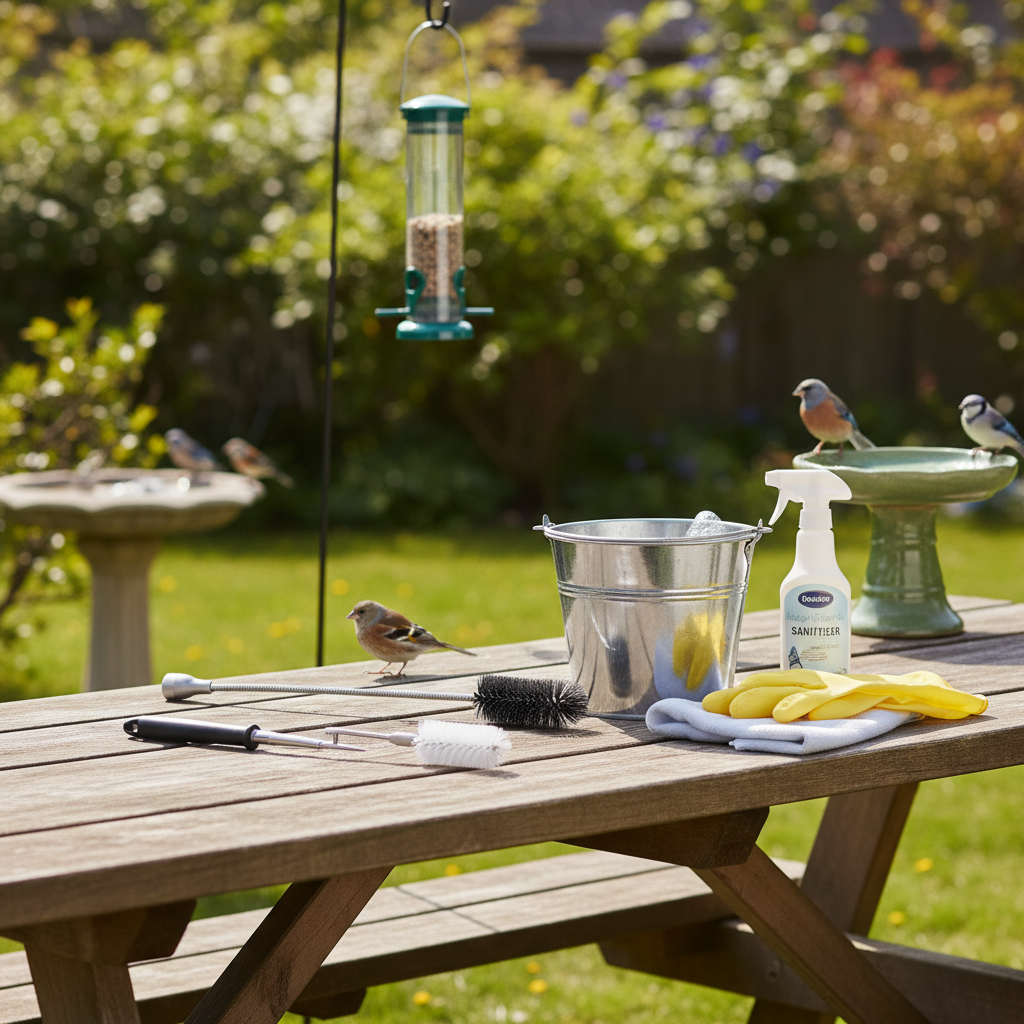
Welcoming birds to your garden with a feeder is a delightful way to connect with nature, offering endless enjoyment as you observe their vibrant lives. However, this rewarding hobby comes with a vital responsibility: maintaining impeccable hygiene. A dirty bird feeder can quickly become a breeding ground for harmful bacteria, mold, and parasites, transforming a welcoming sanctuary into a health hazard for your feathered friends. The key to ensuring their safety and well-being lies in regular, thorough cleaning, and for that, you need the right tools—specifically, the best brushes designed for the job.
What is a Bird Feeder Brush and Why Do You Need It?
A bird feeder brush is a specialized cleaning tool crafted to navigate the unique shapes and crevices of various bird feeders, ensuring every nook and cranny is free from debris and harmful pathogens. Unlike general household brushes, these tools are designed with specific lengths, bristle types, and head shapes to effectively reach deep into tubes, scrub small ports, and clean tight corners that are otherwise impossible to access.
The importance of using such a specialized brush cannot be overstated. Bird feeders, exposed to weather and constant avian visitors, accumulate old seed, droppings, and moisture, creating an ideal environment for mold and bacterial growth. Pathogens like salmonella and avian pox can easily spread among birds congregating at unsanitary feeders, leading to illness and even fatalities within local bird populations. A dedicated bird feeder brush is essential for dislodging tough grime, caked-on food, and unseen contaminants, providing a vital defense against disease transmission and ensuring your feeding station remains a healthy stop for wild birds.
Popular Types of Bird Feeder Brushes on the Market
The market offers a variety of brushes tailored to different feeder designs and cleaning needs. Understanding the common types can help you assemble an effective cleaning kit.
By Material
The material of a brush’s bristles plays a significant role in its cleaning efficacy and longevity.
- Nylon Bristles: These are a common and highly effective choice for bird feeder brushes. Nylon bristles are durable, flexible, and robust enough to scrub away stubborn dirt, mold, and dried seed without damaging most feeder materials. Many long-handled brushes feature nylon for its long-lasting, effective cleaning capabilities.
- Sponge-Tipped: Some brushes incorporate sponge tips, either as a primary cleaning surface or on one end of a dual-purpose brush. Sponges are excellent for general washing, wiping down surfaces, and creating a good lather with cleaning solutions. They are gentler than bristles and can be useful for certain feeder parts.
- Silicone: While less common for bristles, silicone is often used for squeegees or flexible heads on some cleaning tools. Silicone is gentle, non-abrasive, and easy to clean, making it hygienic.
- Materials to Avoid: It’s crucial to avoid overly abrasive materials like steel wool or metal fabric. These can scratch or damage your feeder, creating tiny grooves where bacteria can hide and making future cleaning even harder.
|
Our Picks for the Best Bottle brush in 2026
As an Amazon Associate I earn from qualifying purchases.
|
||
| Num | Product | Action |
|---|---|---|
| 1 | Momcozy Bottle Brush Kit with Push-Press Foam Design - Newborn Essentials Gift, Portable Cleaning Tool for Home & Travel, Baby Bottle Cleaner Brush for Breast Pumps & Nipples, Green |

|
| 2 | ALINK 16 inch Long Bottle Brush Cleaner for Washing Wine/Beer/Sport Well/Thermos/Glass, Hummingbird Feeder and Long Narrow Neck Sport Bottles |
|
| 3 | OXO Tot Bottle Brush with Stand, Baby Bottle Brush |
|
| 4 | Munchkin Sponge Bottle Brush, Grey/Sage, 2 Count (Pack of 1) |
|
| 5 | Holikme 6 Pack Bottle Brush Set, 14" Long Handle Stainless Steel Bottle Cleaner Brush, 3 Straw Brushes, 3-in-1 Bottle Cleaning Brush for Water Bottle, Antistatic Lab Brushes, Straws Black |
|
| 6 | Amazon Brand - Mama Bear Baby Bottle Brush with Nipple Cleaner and Suction Cup Stand, White (Pack of 3) |
|
| 7 | Scotch-Brite Glass and Water Bottle Brush, Long-Lasting, Safe on Glassware, Shaker Bottles, Food Processors, & More, Non-slip handle, Durable, Reusable, Clean in Top Rack of Your Dishwasher |
|
| 8 | Holikme Bottle Brush Tube Cleaning Lab Set with Long Handle, Cup Cleaner for Washing Narrow Neck Beer Wine Decanter Pipes Lids Sinks Cap Covers, White |
|
| 9 | ROSEOK 2 in 1 Long Handle Bottle Brush with Straw Brush for Cleaning Glass, Sports Bottle, Coffee Mug,Navy Blue,1 Pack |
|
| 10 | MR.SIGA Long Handle Bottle Brush, Flexible Scrub Brush for Water Bottles, Glasswares, Mugs, Black, 2 Pack |
|
By Shape and Size
Bird feeders come in diverse shapes and sizes, necessitating a range of brush configurations to ensure comprehensive cleaning.
- Long-Handled Brushes: These are indispensable for tube feeders, which often have deep interiors and narrow openings. A long handle allows you to reach the very bottom and inner walls, dislodging old seed and debris effectively. Some are specifically designed with flexible heads to navigate curves.
- Small Brushes and Toothbrushes: For the intricate parts of a feeder, such as feeding ports, perches, and tiny crevices, smaller brushes are invaluable. An old toothbrush can be repurposed for this, or you can find specialized port brushes designed to clean these tight spaces thoroughly. These are crucial for removing mold and bacteria that thrive in confined areas.
- Dual-Ended Brushes: Many versatile brushes offer a combination of cleaning tools. A common design features a large bristle brush on one end for broad surfaces and a smaller brush (often sponge-tipped or with finer bristles) on the other end for detailed work. This “two-in-one” functionality can be very convenient.
- Baby Bottle Brushes: Surprisingly, baby bottle brushes are frequently recommended by bird enthusiasts for cleaning tube feeders. Their long handles are perfect for reaching deep, and the smaller nipple brush often integrated into the handle is ideal for cleaning feeding ports and narrow tubes.
Important Criteria When Choosing a Bird Feeder Brush
Selecting the right bird feeder brush involves considering several factors to ensure effectiveness, safety, and durability.
Material Safety
The brush’s material must be safe for both the feeder and, more importantly, the birds. Opt for brushes made from non-toxic, BPA-free materials that will not leach harmful chemicals onto the feeder surfaces. The bristles should be durable enough to clean effectively but gentle enough not to scratch or damage the feeder, which could create ideal spots for bacterial growth. Additionally, the material should be easy to clean and sanitize itself, preventing cross-contamination.
Design
A well-designed brush enhances the cleaning experience and ensures thoroughness. Look for features such as:
- Ergonomic Handle: A comfortable, non-slip handle reduces hand fatigue and provides a secure grip, especially when scrubbing with soap and water.
- Flexible Head/Bristles: The brush head should be flexible enough to conform to the contours of your feeder, reaching into curved sections, corners, and tight angles. For tube feeders, a flexible wire core can be very beneficial.
- Specialized Attachments: Some brushes come with integrated smaller brushes for ports or removable heads for different tasks, offering greater versatility.
Size
The size of your brush should correspond to the size and type of your bird feeders. For large hoppers or tray feeders, a broad scrub brush might suffice, but tube feeders absolutely require a long, narrow brush. For hummingbird feeders with small nectar ports, tiny brushes are essential. Having a variety of sizes ensures you can tackle every part of your feeder effectively.
Brand and Price
While it might be tempting to opt for the cheapest option, investing in a reputable brand often means better quality, durability, and a more effective cleaning tool. Brands specializing in bird feeding accessories or household cleaning tools often offer reliable products. Compare prices to find a balance between quality and value, remembering that a durable brush will save you money in the long run by not needing frequent replacement.
Comparing Popular Bird Feeder Brush Types
Here’s a comparison of some common bird feeder brush types to help you decide:
| Brush Type | Key Materials | Feeder Type Best For | Pros | Cons |
|---|---|---|---|---|
| Long-Handled Tube Brush | Nylon bristles, wire core | Tube feeders, long narrow feeders | Reaches deep, flexible for curves, strong scrubbing power | Less effective for wide, open surfaces or very small ports |
| Small/Port Brush | Nylon bristles | Feeding ports, crevices, small openings | Excellent for detailed cleaning, removes stubborn grime from tight spots | Limited reach for larger areas |
| Dual-Ended Brush | Nylon bristles, sponge | All-purpose, various feeders | Versatile for different tasks, convenient two-in-one design | May not be as specialized as single-purpose brushes for extreme needs |
| Baby Bottle Brush | Nylon bristles, plastic handle | Tube feeders, nectar feeders | Long reach, integrated nipple brush for ports, readily available | Can be bulky for very small feeders, not specifically for bird products |
| General Scrub Brush | Stiff nylon bristles | Tray feeders, hopper feeders, exterior | Good for broad, accessible surfaces, removes caked-on debris | Cannot reach inside tube feeders or small ports |
How to Use and Maintain Your Bird Feeder Brushes Properly
Even the best brush won’t work effectively if not used and maintained correctly. Proper technique ensures a clean feeder and a long life for your tools.
How to Use
- Dismantle the Feeder: Always begin by completely disassembling your bird feeder. Remove all perches, bases, tops, and tubes. This allows you to access every surface that birds come into contact with.
- Discard Old Food: Empty all old seed, suet, or nectar. Dispose of it properly to prevent attracting pests or spreading disease.
- Prepare Cleaning Solution: Use a safe cleaning agent. A mild, unscented dish soap with hot water is a good start. For deeper sanitization, a solution of one part household bleach to nine parts hot water, or one part white vinegar to two parts hot water, is recommended. Some experts also suggest a solution of one part 3% hydrogen peroxide to five parts water, or specialized non-toxic disinfectants.
- Scrub Thoroughly: Submerge feeder parts in your chosen cleaning solution. Use your long-handled brush for the interior of tubes, and smaller brushes for feeding ports and intricate components. Scrub vigorously to remove all visible grime, mold, and residue. Pay extra attention to any areas where food collects or birds perch.
- Rinse Extensively: This is a critical step. Rinse all feeder parts thoroughly under running water, ideally three or more times, to ensure all traces of the cleaning solution are gone. Any lingering chemical residue can be harmful to birds.
- Air Dry Completely: Allow all feeder parts to air dry completely before reassembling and refilling. Drying in direct sunlight can provide additional sanitization, as UV rays help kill remaining bacteria. Ensure there is no moisture left, as it can lead to mold growth.
How to Maintain
Just like your feeders, your brushes need cleaning too!
- Rinse After Each Use: Immediately after cleaning your feeder, rinse your brushes thoroughly under hot water to remove any debris and cleaning solution.
- Air Dry Brushes: Hang your brushes or place them in a spot where they can air dry completely. Storing a damp brush can lead to mildew and bacterial growth on the bristles.
- Replace Periodically: Brushes don’t last forever. Over time, bristles can become bent, worn, or matted, reducing their effectiveness. Replace your bird feeder brushes every few months, or sooner if they show signs of significant wear.
Where to Buy Bird Feeder Brushes: Top Recommended Products
Finding the right brushes is easier than ever, with many options available both online and in physical stores.
You can find a good selection of bird feeder brushes at:
- Specialty Bird Stores: These stores often carry brushes specifically designed for various feeder types, including long tube brushes and port brushes.
- Pet Supply Stores: While geared towards pets, many carry cleaning tools that can be adapted for bird feeders, such as bottle brushes.
- Hardware Stores and Home Goods Retailers: General cleaning sections might offer utility brushes that work well for larger feeder components or for general scrubbing.
- Online Retailers: Websites like Amazon, Chewy, or dedicated bird supply e-commerce sites (e.g., Duncraft, Brushtechbrushes.com) offer an extensive range, often with customer reviews that can guide your choice. Brands like Heath Outdoor Products offer specialized options, such as their two-ended cleaning brushes.
When browsing, look for product descriptions that highlight features like “long-handled,” “port cleaner,” “flexible bristles,” or “dual-ended” to match your specific feeder types.
Buying Guide: Expert Advice for Choosing Your Bird Feeder Brush
As an experienced technician in cleaning and maintenance, particularly for items like bottle brushes, I’ve learned that the right tool makes all the difference. When it comes to bird feeder brushes, the goal isn’t just cleanliness, but the health and safety of our wild bird populations.
Here’s my expert advice:
- Assess Your Feeder Types: Before buying, take stock of all your feeders. Do you have long tube feeders, small hummingbird feeders, wide platform feeders, or a mix? Each type will benefit from a specific brush design. Don’t assume one brush fits all.
- Prioritize Reach and Detail: The most common failing in feeder cleaning is not reaching all the hidden spots. Invest in a long, flexible brush for deep interiors and a small, precise brush (like a specialized port brush or even an old toothbrush) for all the nooks, crannies, and feeding holes.
- Consider Material Durability and Safety: Choose brushes with durable nylon bristles that can withstand rigorous scrubbing but won’t scratch your feeders. Ensure the materials are non-toxic, as birds are sensitive to chemical residues.
- Simplify Your Routine: Look for brushes that are easy to clean and maintain themselves. A brush that dries quickly and can be easily sanitized will encourage consistent cleaning habits.
- Don’t Skimp on Quality: While budget-friendly options exist, a higher-quality brush will last longer and perform better, ultimately providing superior cleaning and better protection for your backyard birds.
Ultimately, your bird’s health may very well depend on the cleanliness of its environment. Choosing the right brushes is a small but crucial step in ensuring your bird feeders remain safe and inviting havens.
Conclusion
Maintaining a clean bird feeder is paramount for the health and vitality of your backyard birds. By understanding the different types of brushes available and selecting tools that match your specific feeder designs, you can effectively combat the buildup of mold, bacteria, and disease. From long-handled tube brushes that reach the deepest interiors to small port brushes that tackle intricate crevices, each specialized tool plays a critical role in your feeder maintenance regimen.
Remember to prioritize safety, opting for non-toxic materials and thoroughly rinsing all feeder parts after cleaning. Consistent cleaning habits, coupled with the right brushes, ensure that your bird feeders remain sanitary havens, offering nourishment without posing any health risks. Ready to elevate your bird feeding experience? What steps will you take today to ensure your feathered visitors enjoy a pristine and safe dining spot?
Câu Hỏi Thường Gặp
How often should bird feeders be cleaned?
The frequency depends on the feeder type and weather. Seed feeders should be cleaned every two weeks, or weekly during winter. Nectar feeders, especially for hummingbirds, require cleaning every two to three days in hot weather and every five days in cooler temperatures, or each time they are refilled.
What cleaning solutions are safe for bird feeders?
Safe cleaning solutions include mild, unscented dish soap with hot water. For disinfection, a solution of one part household bleach to nine parts hot water, or one part white vinegar to two parts hot water, are effective. Diluted hydrogen peroxide (1 part 3% hydrogen peroxide to 5 parts water) and specialized non-toxic bird feeder disinfectants are also safe options.
Can I use a regular kitchen brush to clean bird feeders?
While a clean regular kitchen brush might work for easily accessible exterior surfaces, specialized bird feeder brushes are superior for thorough cleaning. Their unique shapes and lengths, such as long handles for tube feeders and small bristles for ports, are essential for reaching and scrubbing all the intricate parts where germs accumulate. Avoid cross-contamination by using separate brushes for bird feeders.
Why is cleaning bird feeders so important for bird health?
Cleaning bird feeders is vital because dirty feeders can harbor and spread harmful bacteria, mold, and parasites like salmonella and avian pox. Birds congregating at unsanitary feeders can easily transmit these pathogens, leading to illness, population decline, and even death. Regular cleaning with appropriate brushes prevents disease transmission, ensuring a healthy environment for wild birds.