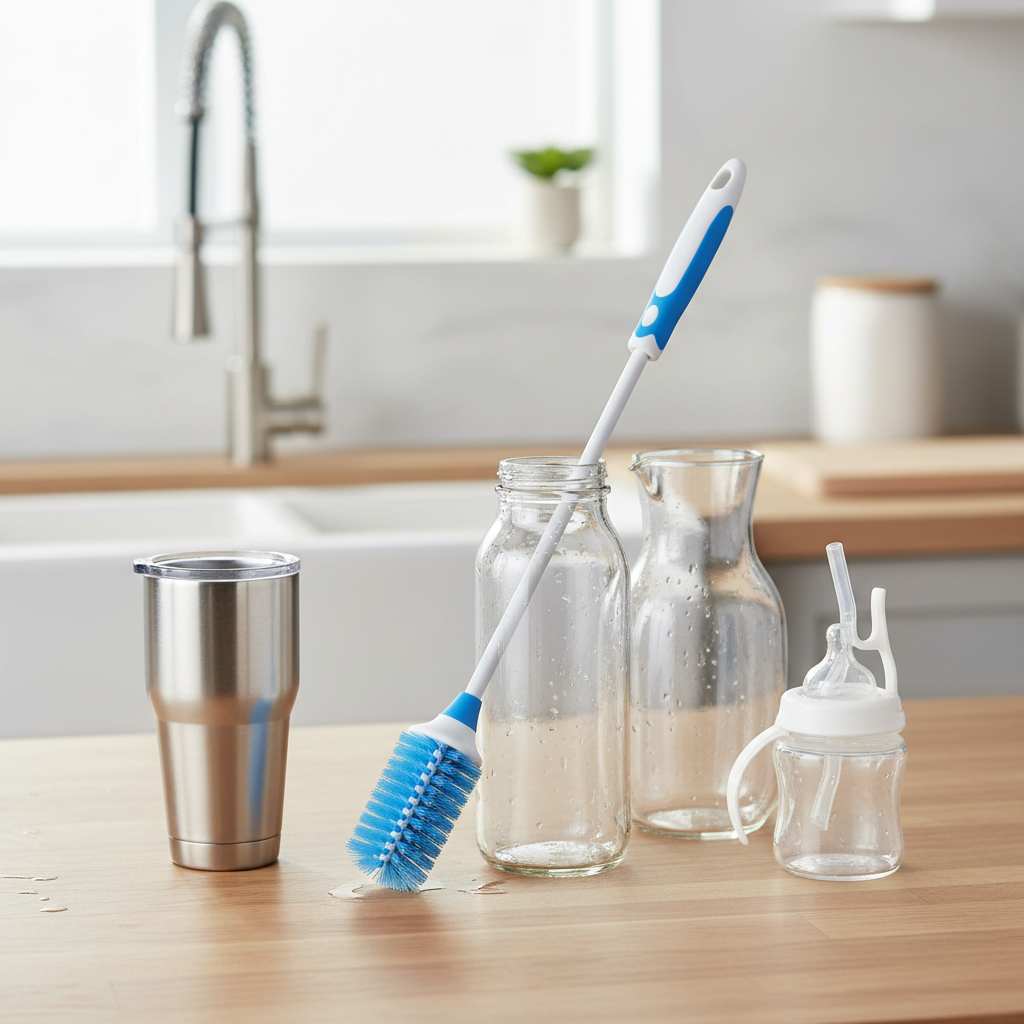
Maintaining pristine hygiene for everyday plastic items, especially baby bottles and food containers, is a top priority for every household. While nylon bottle brushes are often a go-to tool, a common concern lurks beneath the surface: the risk of scratching plastic. These seemingly innocuous marks are more than just cosmetic imperfections; they can compromise safety and hygiene. This guide will delve into why nylon bristles can scratch plastic, explore the hidden dangers these scratches pose, and provide expert advice on choosing safe cleaning tools and practices to protect your plastic items and your family’s health.
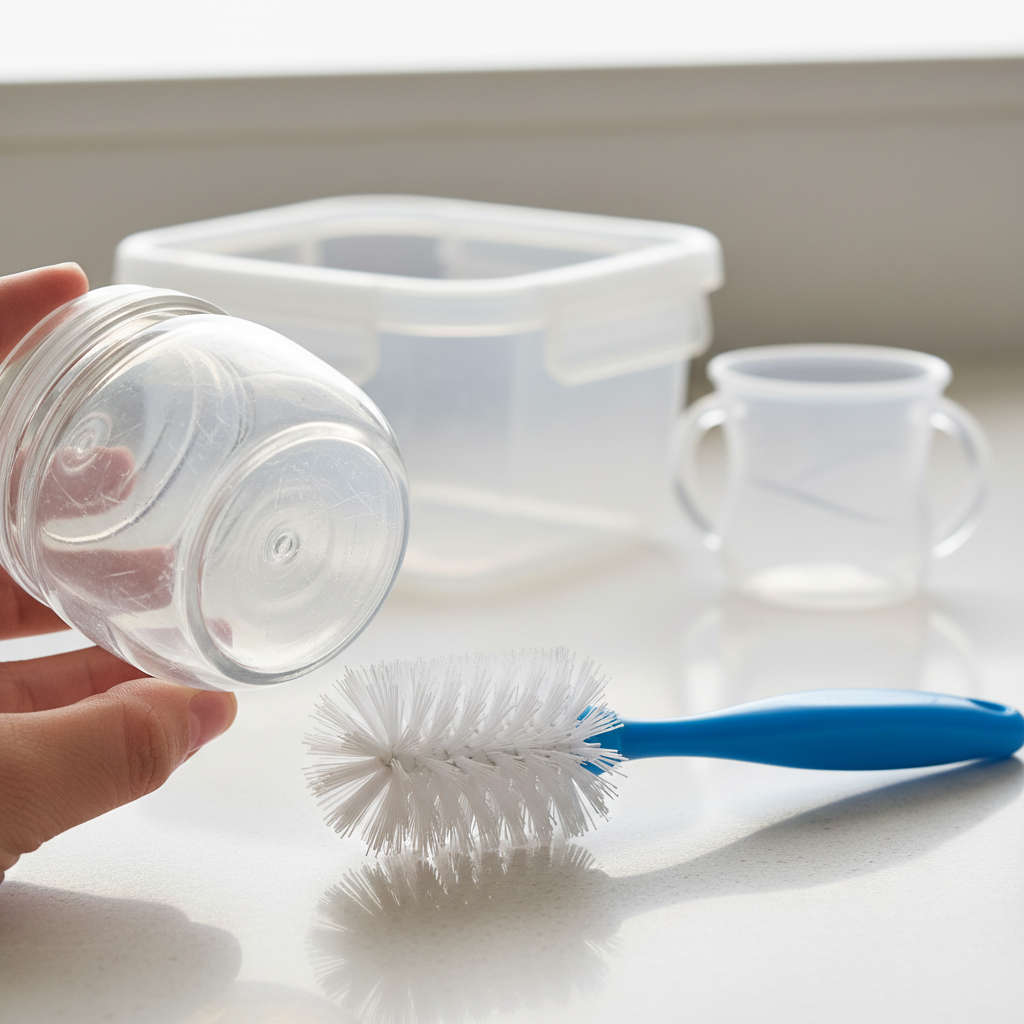
The Hidden Truth: How Nylon Bristles Can Scratch Plastic
Nylon bristles are widely used in cleaning brushes due to their durability and effectiveness. However, the interaction between these bristles and plastic surfaces isn’t always gentle. Understanding the science behind these scratches reveals that the issue is often more nuanced than simply the bristle material itself.
At its core, scratching occurs when one material is harder than another and is dragged across its surface with sufficient force. While nylon, a synthetic polymer, is generally softer than many industrial plastics, it can still cause damage to softer or more delicate plastic varieties. The primary culprits behind these scratches are often not the nylon bristles alone, but rather “abrasive passengers” they pick up during cleaning. Dirt, grime, dried food particles, or even mineral deposits from water can become lodged within the bristles. When the brush is then used, these harder microparticles act like tiny pieces of sandpaper, abrading the plastic surface and leaving behind microscopic scratches.
Furthermore, the quality and design of the nylon brush play a significant role. Cheaply made brushes or those with overly stiff bristles can be more aggressive. In contrast, high-quality nylon brushes are often engineered with food-grade, non-abrasive filaments and flexible shafts, specifically designed to clean without causing damage. Aggressive scrubbing techniques, where excessive pressure is applied, also increase the likelihood of scratches, regardless of the bristle type. It’s a combination of material properties, foreign particles, and cleaning technique that determines whether a nylon brush will leave its mark.
The Dangers of Scratched Plastic: Beyond Aesthetics
Scratches on plastic items, particularly those used for food and drink, are far more than just visual flaws. They create hidden hazards that can compromise hygiene and potentially affect health.
A Breeding Ground for Bacteria
|
Our Picks for the Best Bottle brush in 2026
As an Amazon Associate I earn from qualifying purchases.
|
||
| Num | Product | Action |
|---|---|---|
| 1 | MR.SIGA Long Handle Bottle Brush, Flexible Scrub Brush for Water Bottles, Glasswares, Mugs, Black, 2 Pack |

|
| 2 | Momcozy Bottle Brush Kit with Push-Press Foam Design - Newborn Essentials Gift, Portable Cleaning Tool for Home & Travel, Baby Bottle Cleaner Brush for Breast Pumps & Nipples, Green |
|
| 3 | ALINK 16 inch Long Bottle Brush Cleaner for Washing Wine/Beer/Sport Well/Thermos/Glass, Hummingbird Feeder and Long Narrow Neck Sport Bottles |
|
| 4 | Munchkin Sponge Bottle Brush, Grey/Sage, 2 Count (Pack of 1) |
|
| 5 | Holikme Bottle Brush Tube Cleaning Lab Set with Long Handle, Cup Cleaner for Washing Narrow Neck Beer Wine Decanter Pipes Lids Sinks Cap Covers, White |
|
| 6 | Holikme 6 Pack Bottle Brush Set, 14" Long Handle Stainless Steel Bottle Cleaner Brush, 3 Straw Brushes, 3-in-1 Bottle Cleaning Brush for Water Bottle, Antistatic Lab Brushes, Straws Black |
|
| 7 | Scotch-Brite Glass and Water Bottle Brush, Long-Lasting, Safe on Glassware, Shaker Bottles, Food Processors, & More, Non-slip handle, Durable, Reusable, Clean in Top Rack of Your Dishwasher |
|
| 8 | ROSEOK 2 in 1 Long Handle Bottle Brush with Straw Brush for Cleaning Glass, Sports Bottle, Coffee Mug,Navy Blue,1 Pack |
|
| 9 | Amazon Brand - Mama Bear Baby Bottle Brush with Nipple Cleaner and Suction Cup Stand, White (Pack of 3) |
|
| 10 | OXO Tot Bottle Brush with Stand, Baby Bottle Brush |
|
The smooth, non-porous surface of new plastic makes it difficult for bacteria to adhere and thrive, making it easier to clean thoroughly. However, once scratches appear, this changes dramatically. These microscopic grooves and crevices become perfect hiding spots for bacteria, food residue, and moisture. Conventional cleaning methods often fail to reach these tiny imperfections, allowing pathogens to proliferate unchecked. This creates a breeding ground for germs that can be transferred to food or directly ingested, posing a significant risk, especially for infants and individuals with compromised immune systems.
The Silent Threat: Chemical Leaching and Microplastics
Beyond bacterial contamination, scratched plastic raises concerns about chemical leaching and the release of microplastics. Many plastic products, especially older ones or those not certified as BPA-free or phthalate-free, can contain chemicals like Bisphenol A (BPA) and phthalates. These endocrine disruptors have been linked to various health issues, including developmental problems and reproductive disorders. Scratches compromise the integrity of the plastic, making it easier for these chemicals to migrate into the contents of the container, particularly when exposed to heat (e.g., warm milk, hot water for cleaning).
Moreover, scratches are a visual indicator of plastic degradation. Aggressive cleaning, high temperatures, and UV exposure can accelerate this breakdown, leading to the release of microplastics. These tiny plastic particles, invisible to the naked eye, can then be ingested. While the long-term health effects of microplastic ingestion are still under investigation, the potential for harm, especially in developing bodies, is a growing concern.
Impact on Health
Infants and young children are particularly vulnerable to the adverse effects of bacterial contamination and chemical exposure from degraded plastic. Their immune systems are still developing, and their smaller body weight means they are exposed to higher concentrations of harmful substances per kilogram. Scratched baby bottles, therefore, represent a heightened risk, making careful selection and maintenance of cleaning tools and practices paramount for child safety.
Common Types of Bottle Brushes and Their Scratch Potential
When selecting a bottle brush, understanding the different materials and their characteristics is crucial for preventing scratches and ensuring effective cleaning.
-
Nylon Bristle Brushes: As discussed, nylon brushes vary widely. High-quality, food-grade nylon with fine, flexible bristles can be effective and non-scratching if used gently and kept free of abrasive debris. However, stiffer, coarser nylon or brushes with exposed wire cores (which some users mistakenly attribute to the nylon itself) are prone to scratching delicate plastic. Their strength makes them excellent for tough grime, but caution is advised for softer plastics.
-
Silicone Brushes: Silicone brushes are renowned for their gentle, non-abrasive properties. They are flexible, non-porous, and resistant to stains, odors, and bacteria, making them a hygienic choice. Silicone doesn’t harbor bacteria as easily as traditional bristles and generally lasts longer. However, their primary drawback can be less scrubbing power, making them less effective for removing stubborn, dried-on residues. They might also struggle to reach every nook and cranny in complex bottle designs as effectively as some bristle types.
-
Natural Fiber Brushes (e.g., Tampico, Coconut): For those seeking plastic-free alternatives, brushes made from natural fibers like Tampico (from agave plants) or coconut husks are excellent options. These often feature stiff, durable bristles effective at tackling stubborn grime without being overly abrasive. They are generally considered safe for plastic when used appropriately, and some natural materials, like wood handles, may even inhibit microbial growth better than sealed polymers due to natural lignin compounds. However, they require proper drying to prevent mildew and may not have the same longevity as high-grade synthetic options.
-
Sponge-Tipped Brushes: Historically, many bottle brushes included sponge tips. While soft, these sponges can deteriorate quickly, harbor bacteria, and become less effective over time. Their lifespan is typically shorter than bristle or silicone alternatives.
Choosing the Right Bottle Brush: A Safety-First Approach
Making an informed choice about your bottle brush is a key step in protecting your plastic items and ensuring optimal hygiene.
Material Selection
Opt for materials known for their safety and non-abrasive qualities.
- Silicone: An excellent choice for its gentleness, hygiene, and durability. Ideal for baby bottles and other sensitive plastic surfaces.
- High-Grade Nylon: If choosing nylon, look for “food-grade,” “non-abrasive,” or specific polymer types like Polyamide (PA) or Tritan™. These are engineered to resist degradation and scratching.
- Natural Fibers: Consider brushes with Tampico or coconut fibers for an eco-friendly, effective clean, ensuring the handle is also sustainable.
- Bottle Material: For ultimate safety, consider switching to glass baby bottles, which are impervious to scratching and chemical leaching.
Bristle Design
The design of the bristles significantly impacts cleaning effectiveness and scratch potential.
- Flexibility: Bristles should be flexible enough to conform to the curves and contours of your bottles without requiring excessive force.
- Density: A higher bristle density can provide better coverage and scrubbing efficiency without needing abrasive pressure.
- Non-Abrasive Tips: Look for brushes with soft, rounded, or tapered bristle tips rather than sharp or stiff ends that could easily scratch.
- Integrated Design: Ensure the brush design minimizes exposed metal wires or harsh plastic components that could come into contact with the bottle’s interior.
Handle and Durability
A comfortable, sturdy handle is essential for control and ease of use, reducing the chance of accidental scratches. Furthermore, a durable brush made from quality materials will last longer, reducing waste and ensuring consistent cleaning performance without premature bristle breakdown.
Best Practices for Cleaning Plastic Bottles Without Causing Scratches
Even with the right brush, proper cleaning techniques are vital to prevent scratches and ensure thorough sanitation.
Pre-Rinsing is Key
Before using any brush, always rinse plastic bottles and containers immediately after use with warm water. This removes loose food particles, milk residue, or other debris that could otherwise become trapped in the brush bristles and act as an abrasive. A good pre-rinse minimizes the workload for your brush and reduces the risk of scratching.
Gentle Cleaning Agents
Avoid harsh or abrasive cleaning agents. Stick to mild dish soap and lukewarm water for most cleaning tasks.
- Mild Dish Soap & Water: The standard for daily cleaning.
- Baking Soda Paste: For stubborn stains or odors, a paste of baking soda and water can be gently applied and scrubbed. Baking soda is a mild abrasive that is generally safe for plastics and excellent for neutralizing odors.
- Vinegar Solution: A diluted solution of white vinegar and water (e.g., 1:1 ratio) is effective for removing grease, hard water stains, and providing mild disinfection. It’s especially useful for descaling bottle nipples and caps.
The Right Technique
The way you use your brush is as important as the brush itself.
- Light Pressure: Use gentle, sweeping motions. Avoid applying excessive force, particularly in hard-to-reach areas. Let the brush’s design and the cleaning agent do the work, not brute strength.
- Rotating Motions: For bottle interiors, use a rotating or swirling motion rather than aggressive back-and-forth scrubbing. This helps distribute the cleaning solution and dislodge residue without concentrated pressure on one spot.
- Separate Brushes: Consider having separate brushes for different items (e.g., one for baby bottles, another for larger water bottles) to prevent cross-contamination and ensure the right tool for the job.
Air Drying and Storage
After cleaning, thoroughly rinse the plastic item and the brush with clean water. Air-dry both completely to prevent moisture buildup, which can foster bacterial growth. Store brushes in a way that allows air circulation, such as in an upright holder, to ensure they dry properly and remain hygienic.
When to Replace Your Plastic Bottles and Brushes
Even with the best care, plastic items and cleaning tools have a lifespan. Knowing when to replace them is crucial for maintaining safety and hygiene.
Regularly inspect all plastic bottles, cups, and containers for signs of wear. These include:
- Cloudiness or Discoloration: A sign of plastic degradation, which can indicate chemical leaching.
- Scratches: Even minor scratches can harbor bacteria and accelerate chemical release.
- Cracks or Chips: Compromises the structural integrity and creates opportunities for bacterial growth.
- Deformation: Any change in shape, often due to heat exposure, suggests the plastic is breaking down.
For baby bottles and feeding equipment, the American Academy of Pediatrics (AAP) generally recommends replacement every three to six months, or immediately if any signs of wear are visible. For bottle brushes, replacement is typically needed every one to three months, or sooner if the bristles become splayed, frayed, discolored, or start to harbor odors. Replacing brushes regularly ensures their effectiveness and prevents them from becoming a source of contamination rather than a cleaning tool.
Expert Tips for Longevity and Safety
As an experienced technician in household cleaning and maintenance, I understand the nuances of keeping your items spotless and safe. Here are some expert insights when choosing and using bottle brushes:
Prioritize quality over price. While a cheaper brush might seem appealing, the potential risks of scratching and compromised hygiene far outweigh the initial savings. Invest in well-designed tools from reputable brands. Always consider the specific item you’re cleaning. A brush suitable for a sturdy water bottle might be too abrasive for a delicate baby bottle. If in doubt, opt for softer materials like silicone.
“True cleanliness isn’t just about what you see; it’s about what you prevent. A scratch is not just a blemish; it’s an invitation for unseen problems to begin.” – Admin, reviewmht.com
Finally, read product reviews and certifications. Look for brushes that explicitly state they are “BPA-free,” “phthalate-free,” and “non-scratch” for specific applications. Understanding these details will guide you toward making choices that safeguard your family’s health and extend the life of your household items.
Conclusion
The debate around nylon bristles and plastic scratching highlights a critical aspect of household hygiene: the tools we use can significantly impact the safety and longevity of our belongings. While nylon brushes can be effective, their potential to cause microscopic scratches, especially when combined with trapped grit or aggressive scrubbing, carries real risks. These seemingly minor imperfections can become havens for bacteria and contribute to the leaching of harmful chemicals and microplastics. By choosing appropriate brush materials like high-quality silicone or natural fibers, adopting gentle cleaning techniques, using mild cleaning agents, and knowing when to replace worn-out items, you can effectively prevent damage and ensure a safer, healthier environment for your family. Making informed decisions about your cleaning routine is not just about tidiness; it’s about proactive health protection.
Frequently Asked Questions
Can I use a dishwasher for plastic bottles?
While some plastic bottles are labeled “dishwasher-safe,” frequent exposure to high temperatures and harsh detergents in a dishwasher can accelerate plastic degradation, leading to cloudiness, scratches, and potentially increased microplastic release. Hand washing with mild soap and warm water is generally recommended to prolong the life and safety of plastic bottles.
How do I know if my nylon brush is safe for plastic?
A safe nylon brush for plastic should be specifically marketed as “non-scratch” or “gentle” and ideally be made of food-grade nylon with fine, flexible bristles. You can test a new brush on an inconspicuous area of a similar plastic item with light pressure. If no scratches appear, it’s likely safe for general use.
What are the signs of microplastic release from plastic items?
Visual signs of plastic degradation that may indicate microplastic release include persistent cloudiness, discoloration, etching, or visible scratches on the surface of the plastic. If you observe these changes, it’s best to replace the item, especially if it’s used for food or beverages.
Are there any truly scratch-proof bottle brushes?
While no brush can be 100% “scratch-proof” under all circumstances (especially with abrasive particles present or extreme force), silicone bottle brushes are generally considered the safest and least likely to scratch delicate plastic surfaces due to their soft, flexible, and non-abrasive material.