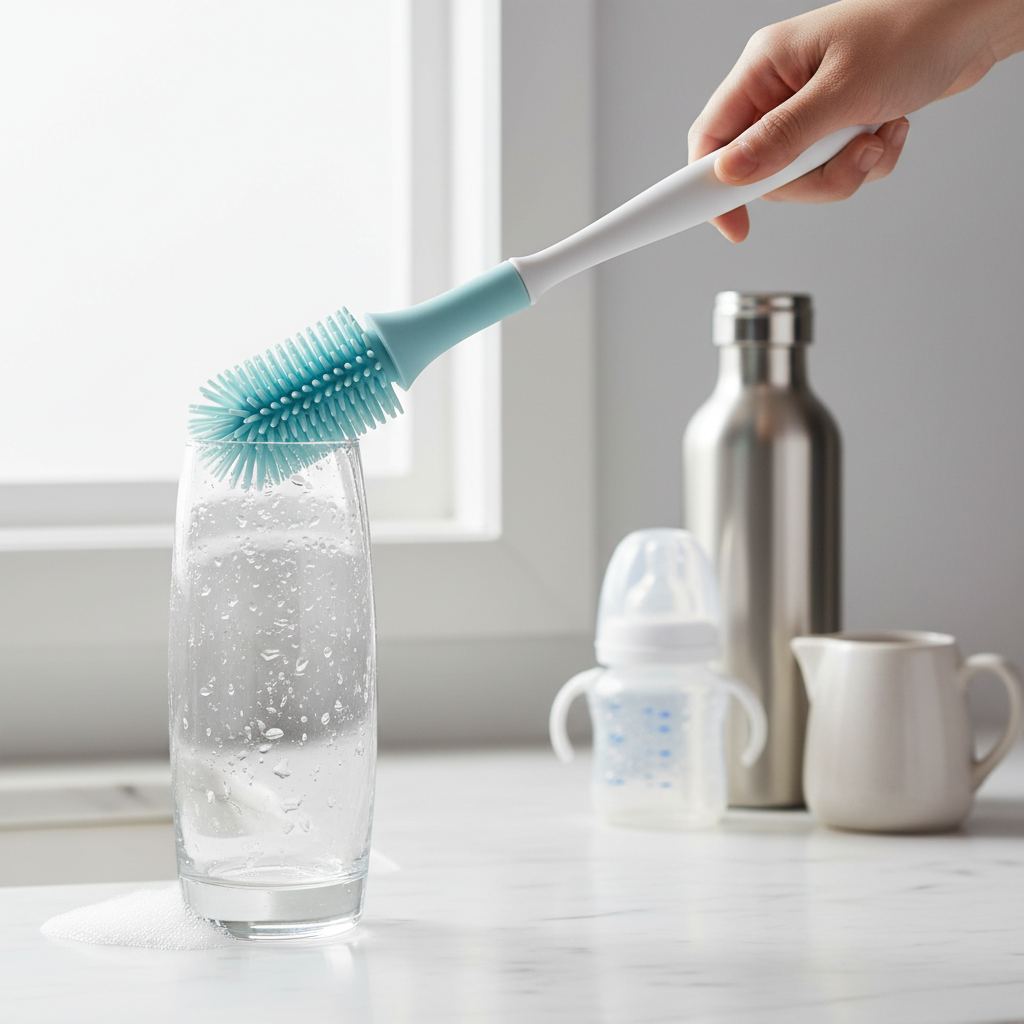
Has your favorite brush lost its luster, with bristles splayed and flattened, making it virtually unusable? Whether it’s a trusty hairbrush, a precision artist’s tool, or an essential cleaning brush, dealing with flattened bristles can be incredibly frustrating. This common issue not only compromises the brush’s effectiveness but can also lead to unsatisfactory results in your daily tasks. But don’t despair! With the right techniques, you can often bring those tired bristles back to life, restoring your brush to its former glory and saving you the cost of a replacement. This guide will walk you through proven methods to revive flattened brush bristles, ensuring your tools remain in top condition.
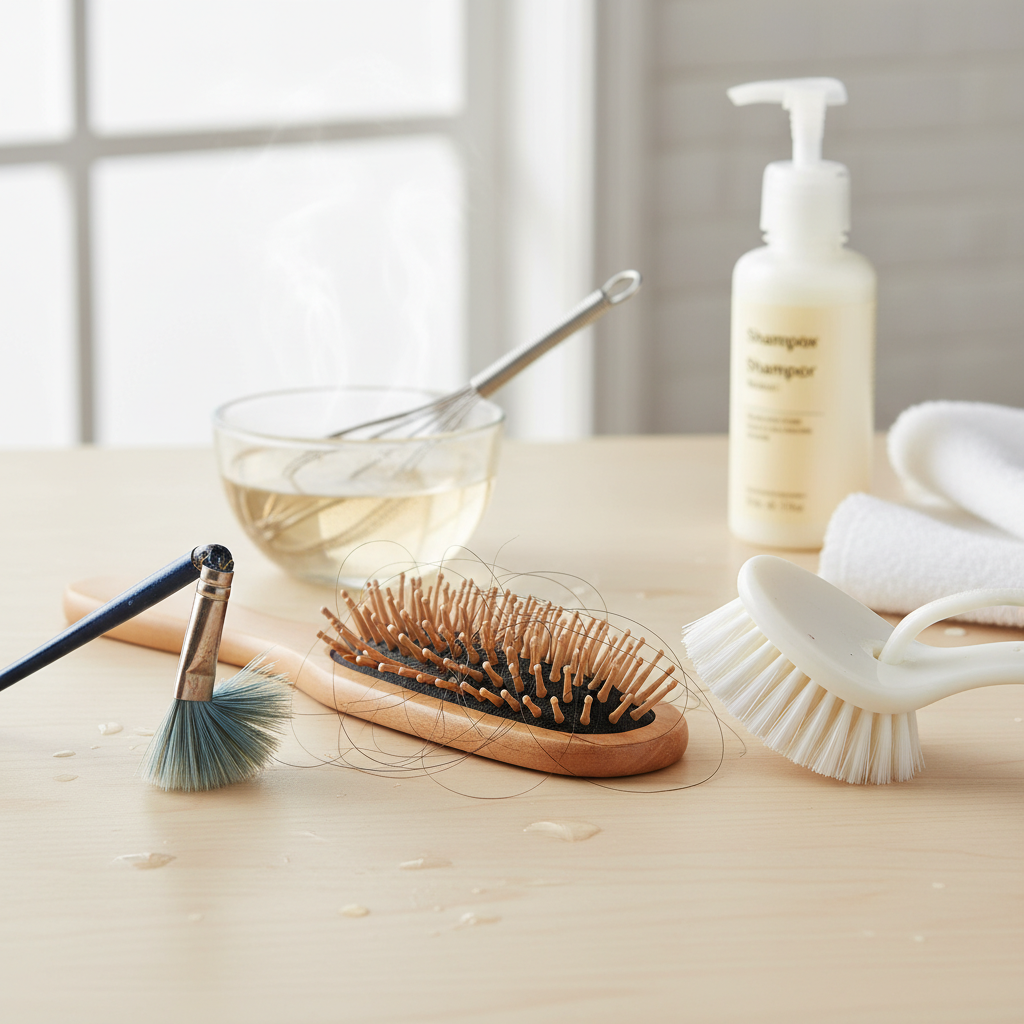
What are Brush Bristles and Why Do They Flatten?
Brush bristles are the essential working components of any brush, designed to perform specific functions, from detangling hair to applying paint or scrubbing surfaces. These filaments can be made from various materials, primarily synthetic fibers or natural animal hairs. Each type boasts unique properties that contribute to the brush’s overall performance and resilience.
Healthy bristles are crucial for effective brush use. When they are straight and aligned, they can efficiently comb, spread, or clean. However, over time, bristles are prone to flattening, bending, or splaying outwards. This usually occurs due to a combination of factors, including improper storage (leaving a brush resting on its bristles), aggressive use that bends the fibers repeatedly, prolonged exposure to heat, or simply the natural wear and tear that comes with consistent use. Understanding the underlying causes is the first step toward both revival and prevention.
Common Types of Brush Bristles and Their Characteristics
The type of bristle material profoundly influences how a brush performs and, critically, how it should be cared for and potentially revived.
Synthetic Bristles
Synthetic bristles are typically manufactured from materials like nylon, polyester, or other plastic polymers. These materials are known for their durability, resistance to chemicals, and ease of cleaning.
- Characteristics: Synthetic bristles are often uniform in shape and texture, offering good spring and memory. They are generally less absorbent than natural bristles. Their thermoplastic nature means they can soften and reshape when exposed to heat.
- Pros: Durable, easy to clean, resistant to many solvents, and excellent for precision work or applications requiring stiff bristles. They respond well to heat-based reshaping methods.
- Cons: Can sometimes be too stiff for delicate tasks, and excessive heat can melt or permanently damage them if not applied carefully.
|
Our Picks for the Best Bottle brush in 2026
As an Amazon Associate I earn from qualifying purchases.
|
||
| Num | Product | Action |
|---|---|---|
| 1 | Momcozy Bottle Brush Kit with Push-Press Foam Design - Newborn Essentials Gift, Portable Cleaning Tool for Home & Travel, Baby Bottle Cleaner Brush for Breast Pumps & Nipples, Green |

|
| 2 | ROSEOK 2 in 1 Long Handle Bottle Brush with Straw Brush for Cleaning Glass, Sports Bottle, Coffee Mug,Navy Blue,1 Pack |
|
| 3 | ALINK 16 inch Long Bottle Brush Cleaner for Washing Wine/Beer/Sport Well/Thermos/Glass, Hummingbird Feeder and Long Narrow Neck Sport Bottles |
|
| 4 | Holikme 6 Pack Bottle Brush Set, 14" Long Handle Stainless Steel Bottle Cleaner Brush, 3 Straw Brushes, 3-in-1 Bottle Cleaning Brush for Water Bottle, Antistatic Lab Brushes, Straws Black |
|
| 5 | Amazon Brand - Mama Bear Baby Bottle Brush with Nipple Cleaner and Suction Cup Stand, White (Pack of 3) |
|
| 6 | MR.SIGA Long Handle Bottle Brush, Flexible Scrub Brush for Water Bottles, Glasswares, Mugs, Black, 2 Pack |
|
| 7 | Munchkin Sponge Bottle Brush, Grey/Sage, 2 Count (Pack of 1) |
|
| 8 | OXO Tot Bottle Brush with Stand, Baby Bottle Brush |
|
| 9 | Scotch-Brite Glass and Water Bottle Brush, Long-Lasting, Safe on Glassware, Shaker Bottles, Food Processors, & More, Non-slip handle, Durable, Reusable, Clean in Top Rack of Your Dishwasher |
|
| 10 | Holikme Bottle Brush Tube Cleaning Lab Set with Long Handle, Cup Cleaner for Washing Narrow Neck Beer Wine Decanter Pipes Lids Sinks Cap Covers, White |
|
Natural Bristles
Natural bristles are derived from animal hair, with common examples including boar, goat, sable, and horsehair. Each type offers distinct qualities suited for different applications, such as painting, makeup, or hair care.
- Characteristics: Natural bristles are known for their softness, ability to hold and distribute liquids (like paint or natural oils), and often have a more irregular, textured surface. They are more delicate than synthetic fibers.
- Pros: Excellent for smooth application, blending, and are gentle on surfaces like hair or skin. They often provide a more luxurious feel.
- Cons: More susceptible to damage from harsh chemicals, can be harder to clean, and are generally less durable than synthetics. Heat can damage or dry out natural fibers, making heat-based revival methods generally unsuitable for them.
Essential Criteria for Restoring Flattened Bristles
Before attempting to revive your brush, it’s crucial to consider a few key criteria. These will help you choose the most effective and safest restoration method, preventing further damage to your cherished tools.
Bristle Material
The material of your brush’s bristles is the single most important factor. Synthetic bristles, being plastic-based, respond favorably to controlled heat, which allows them to regain their original shape. Natural bristles, however, are delicate and can be irreparably damaged by high temperatures, making alternative, gentler methods necessary. Always identify your brush’s material before proceeding.
Degree of Damage
Assess how severely flattened or splayed the bristles are. Minor bends or slight splaying are often easier to correct, while severely matted or kinked bristles may require more intensive treatments or, in some cases, might be beyond repair. Understanding the extent of the damage helps manage expectations and guides your choice of method.
Tools and Supplies
Gather the necessary items before you begin. Depending on the chosen method, you might need:
- Hot water (from the tap or boiled)
- A hair dryer or heat gun
- A small towel
- A comb or your fingers for reshaping
- For specific cases, a brush cleaner, clear gel, or a sugar-water solution may be needed.
Step-by-Step Methods to Revive Flattened Brush Bristles
Several effective methods exist for reviving flattened bristles, each suited to different brush types and levels of damage.
The Hot Water Immersion Method (for Most Synthetic Bristles)
This is a gentle yet effective approach for synthetic brushes with moderate flattening.
- Preparation: Clean your brush thoroughly to remove any residue.
- Immerse in Hot Water: Hold the brush under a stream of very hot tap water, or dip the bristles into a cup of hot (not boiling) water for about 15-30 seconds. Ensure the hot water fully saturates and softens the bent areas.
- Reshape: Gently reshape the bristles with your fingers or a comb, coaxing them back into their original alignment. You can do this while the bristles are still warm.
- Cool Down: Allow the brush to cool and dry completely, ideally by hanging it or laying it flat to prevent new bends from forming. The bristles will stiffen as they cool, retaining their new shape.
The Boiling Water Technique (for Stubborn Synthetic Bristles)
For more severely flattened synthetic bristles, a brief dip in boiling water can be incredibly effective, but caution is paramount.
- Boil Water: Bring a small pot of water to a rolling boil.
- Dip Briefly: Holding the brush by its handle, carefully dip only the bristle section into the boiling water for no more than 5-10 seconds. Prolonged exposure can melt the bristles.
- Reshape Quickly: Immediately remove the brush and, while the bristles are still very hot and pliable, use your fingers to reshape them. Be extremely careful to avoid burning yourself.
- Cool and Dry: Once reshaped, allow the brush to cool and air dry completely. The heat “resets” the plastic memory of the synthetic fibers.
“The key to heat-based bristle revival is understanding that synthetic fibers are essentially plastic. Heat temporarily relaxes their structure, allowing you to reshape them. But always respect the material – too much heat will simply melt them.” – Dr. Elena Petrova, Material Science Engineer
Hair Dryer or Heat Gun Approach (for Larger Brushes/Specific Types)
This method offers controlled heat application and is excellent for hairbrushes or larger cleaning brushes.
- Clean the Brush: Ensure the brush is clean and free of debris.
- Apply Gentle Heat: Hold a hair dryer on a low to medium heat setting, or a heat gun at its lowest setting, a few inches away from the flattened bristles. Move the heat source continuously to avoid concentrating heat in one spot.
- Reshape as You Go: As the bristles warm and become pliable, gently comb or use your fingers to guide them back into their correct shape.
- Cool Down: Once reshaped, turn off the heat and allow the bristles to cool in their new position.
The Sugar Water/Gel Method (for Natural Artist Brushes)
This technique is particularly useful for natural hair artist brushes, where heat is detrimental.
- Clean and Wet: Thoroughly clean the brush.
- Prepare Solution: Dissolve a teaspoon of sugar in warm water to create a thick, syrupy solution. Alternatively, use a specialized brush reshaping gel or a clear top coat (for nail art brushes).
- Shape with Solution: Dip the clean, damp bristles into the sugar water or apply the gel, then carefully shape the bristles into their desired point or flat edge. The sugar or gel acts as a temporary binder.
- Dry and Rinse: Let the brush dry completely with the bristles held in shape. Once dry, gently rinse the brush with clean water to remove the sugar or gel, and the bristles should retain their restored form.
Using Brush Reshaping Solutions
Several manufacturers offer specialized brush shapers or conditioners. These often contain gentle binders that, when applied to clean bristles and allowed to dry, help restore and maintain the brush’s original shape. They are a good option for delicate brushes or when you prefer a less aggressive method.
Comparative Overview of Bristle Revival Methods
| Method | Bristle Type | Tools & Supplies | Difficulty | Effectiveness | Notes/Warnings |
|---|---|---|---|---|---|
| Hot Water Immersion | Synthetic | Hot tap water, fingers/comb | Easy | Moderate-High | Safe for most synthetics; avoid boiling. |
| Boiling Water Technique | Synthetic | Boiling water, pot, fingers | Medium | High | Highly effective but extreme caution needed; synthetic ONLY! |
| Hair Dryer/Heat Gun | Synthetic | Hair dryer/heat gun, fingers/comb | Medium | High | Control heat carefully; keep moving to prevent melting. |
| Sugar Water/Gel Method | Natural | Sugar water/gel, fingers, clean water | Easy | Moderate | Ideal for natural artist brushes; requires drying time. |
| Specialized Shapers | Both | Reshaping solution | Easy | Moderate-High | Follow product instructions; good for delicate brushes. |
Preventing Future Bristle Flattening: Best Practices
Prevention is always better than cure. Adopting good brush care habits can significantly extend the life of your brushes and prevent bristles from flattening in the first place.
Proper Cleaning and Drying
Always clean your brushes thoroughly after each use to remove product residue, which can stiffen and distort bristles. After washing, gently squeeze out excess water and reshape the bristles with your fingers. Crucially, allow brushes to dry completely in an appropriate manner – either hanging upside down or laying flat to prevent water from damaging the ferrule (the metal part holding bristles) and to avoid gravity pulling bristles out of shape.
Optimal Storage Solutions
How you store your brushes makes a huge difference. Avoid tossing them into a drawer where bristles can get crushed. Instead, consider:
- Brush Rolls or Cases: Protect bristles when traveling or for long-term storage.
- Upright Holders: Store brushes bristle-side up in a cup or specialized holder, ensuring they are not tightly packed.
- Protective Covers: Some brushes come with plastic covers or nets that help maintain bristle shape.
Gentle Usage Techniques
Avoid applying excessive pressure or bending bristles at extreme angles during use. Use the brush as it was intended, allowing the bristles to flex naturally rather than forcing them. For tasks that require more scrubbing, consider brushes specifically designed for heavy-duty use.
Regular Maintenance
Incorporate brush inspection into your routine. Regularly check for signs of wear, splaying, or product buildup. Addressing minor issues early can prevent them from becoming major problems that require intensive restoration. A well-maintained brush is a happy brush.
Expert Advice for Long-Lasting Brush Performance
Maintaining the integrity of your brush bristles is fundamental to their performance and longevity. The best approach is a combination of mindful use, regular cleaning, and proper storage. Always remember to consider the material of your bristles before attempting any revival technique, as what works for synthetic can be detrimental to natural fibers.
Choosing the right method for revival can significantly extend the life of your tools, saving you money and ensuring consistent results. Don’t underestimate the power of a little TLC for your brushes.
Conclusion
Flattened brush bristles can feel like a death sentence for your favorite tools, but as we’ve explored, revival is often within reach. By understanding the types of bristles you’re working with and applying the appropriate heat-based or gentle reshaping methods, you can restore functionality and extend the lifespan of your brushes. From the reliable hot water dip for synthetics to the careful sugar water technique for natural fibers, there’s a solution for most situations.
Adopting best practices for cleaning, drying, and storing your brushes will drastically reduce the likelihood of future flattening, keeping your tools in pristine condition. Why let a few bent bristles diminish your efficiency or creativity when a simple fix can make all the difference? What simple changes will you make today to better care for your brushes?
Câu Hỏi Thường Gặp
Can all flattened brushes be fixed?
While many flattened brushes, especially those with synthetic bristles, can be successfully revived using heat-based methods, some severe cases of damage or brushes with very delicate natural bristles might be beyond repair. The success rate largely depends on the bristle material and the extent of the damage.
How often should I clean my brush to prevent flattening?
The frequency of cleaning depends on the brush’s use. For daily-use items like hairbrushes or makeup brushes, weekly cleaning is advisable. For paintbrushes, clean immediately after each use. Regular cleaning prevents product buildup that can stiffen and distort bristles.
Is it safe to use boiling water on all brushes?
No, it is absolutely not safe to use boiling water on all brushes. This method should be reserved only for synthetic bristles. Boiling water will likely damage, melt, or destroy natural hair bristles, causing irreparable harm to your brush.
What causes brush bristles to splay?
Brush bristles typically splay due to improper storage, such as leaving a brush resting on its bristles or being crammed into a drawer. Overly aggressive use, where bristles are repeatedly bent beyond their natural flexibility, or prolonged exposure to heat can also contribute to splaying and flattening over time.