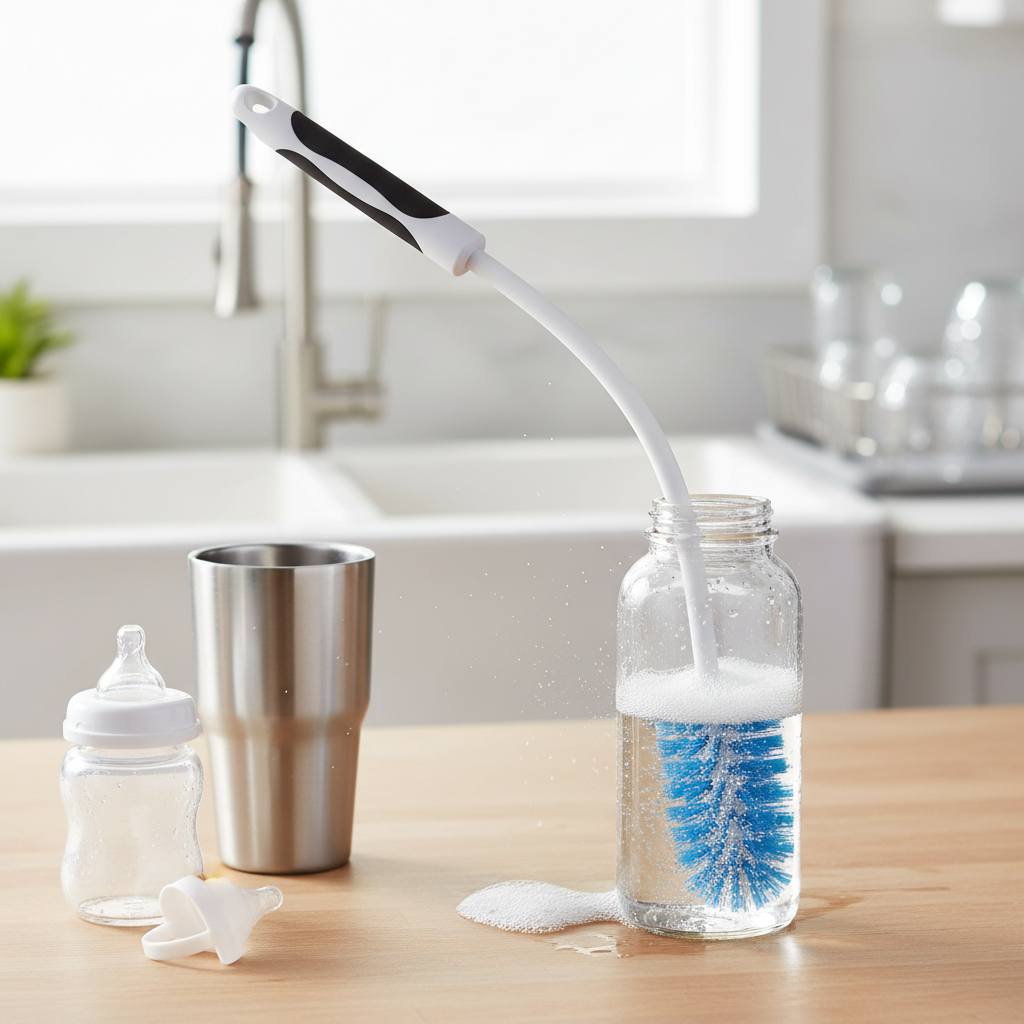
You reach for your favorite water bottle, only to find it cloudy with an unwelcome chalky film. Hard water deposits, those stubborn white streaks and rings, are a common nuisance that can plague reusable bottles, making them look unappealing and even affecting the taste of your drinks. Whether it’s your daily hydration companion, a baby bottle, or a travel mug, tackling this mineral buildup is essential for both hygiene and enjoyment. This comprehensive guide will equip you with effective, natural methods and expert tips to restore your bottles to their sparkling best, ensuring every sip is pure and refreshing.
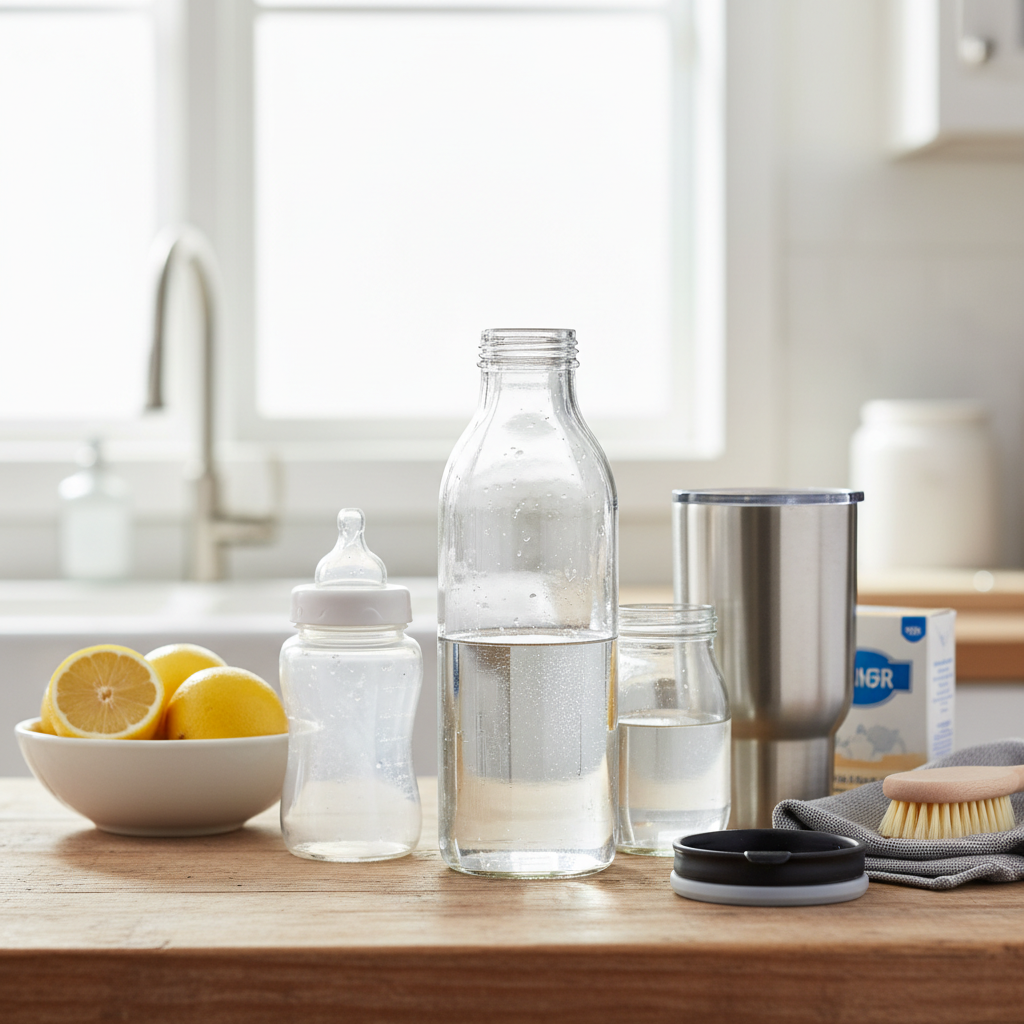
What Are Hard Water Deposits and Why Should You Clean Them?
Hard water is characterized by a high concentration of dissolved minerals, primarily calcium and magnesium. When this water evaporates, these minerals are left behind, creating the unsightly white, chalky residue often seen in bottles. This mineral buildup doesn’t just look bad; it can also affect the taste of your beverages, giving them a slightly metallic or stale flavor.
While hard water deposits are generally not considered harmful to health when consumed in drinking water, their presence can be indicative of a less-than-optimal cleaning routine. Over time, these mineral layers can trap other residues from drinks, potentially creating an environment where bacteria can thrive. For baby bottles, in particular, thorough cleaning is paramount to prevent any potential health issues for infants with developing immune systems. Neglecting these deposits can also shorten the lifespan of your bottles, as the accumulated minerals can etch surfaces and compromise materials over time.
Essential Tools for Tackling Stubborn Bottle Stains
Effectively removing hard water deposits requires more than just a quick rinse. Having the right tools on hand will make the task significantly easier and more thorough.
- Bottle Brush: A good quality bottle brush is indispensable. Look for one with sturdy yet flexible bristles that can reach the bottom and sides of your bottles, especially those with narrow necks or intricate shapes. Many come with smaller brushes for cleaning nipples, straws, and other small components.
- Straw Brush: For bottles with straws, a dedicated straw brush is crucial. These thin brushes can effectively scrub the inside of straws, where mineral buildup and other residues often accumulate unseen.
- Small Cleaning Tools: Tiny brushes or pipe cleaners can be useful for accessing tight crevices in bottle caps, seals, and other intricate parts where deposits love to hide.
- Funnels: A funnel can help you neatly pour cleaning solutions into bottles, minimizing spills.
- Clean Towels or Drying Rack: Proper air drying is a key step, so having a clean rack or towel where bottles can drain thoroughly is important.
Natural Home Remedies to Banish Hard Water Buildup
You don’t need harsh chemicals to eliminate hard water stains. Many effective solutions can be found right in your pantry, offering safe and natural ways to restore your bottles.
The Power of White Vinegar
White vinegar, an acetic acid, is a household hero for its ability to dissolve mineral deposits and act as a natural disinfectant and deodorizer.
Method:
- Dilute: Mix equal parts white vinegar and warm water. For very stubborn stains, you can use a stronger solution, up to pure vinegar for glass or stainless steel bottles.
- Fill and Soak: Pour the vinegar solution into the bottle, filling it completely or up to the stained line.
- Soak: Let the bottle soak for several hours or, ideally, overnight. The longer it soaks, the more effectively the acid can break down the mineral bonds.
- Scrub and Rinse: The next morning, pour out the solution. Use a bottle brush to scrub the interior thoroughly, paying close attention to any remaining cloudy areas. Rinse the bottle multiple times with warm water until there is no residual vinegar smell or taste.
- Caution: Avoid using vinegar on aluminum bottles, as it can react with the metal and cause oxidation spots.
Our Picks for the Best Bottle brush in 2026As an Amazon Associate I earn from qualifying purchases.Num Product Action 1 ALINK 16 inch Long Bottle Brush Cleaner for Washing Wine/Beer/Sport Well/Thermos/Glass, Hummingbird Feeder and Long Narrow Neck Sport Bottles 
2 MR.SIGA Long Handle Bottle Brush, Flexible Scrub Brush for Water Bottles, Glasswares, Mugs, Black, 2 Pack
3 OXO Tot Bottle Brush with Stand, Baby Bottle Brush
4 Holikme Bottle Brush Tube Cleaning Lab Set with Long Handle, Cup Cleaner for Washing Narrow Neck Beer Wine Decanter Pipes Lids Sinks Cap Covers, White
5 Munchkin Sponge Bottle Brush, Grey/Sage, 2 Count (Pack of 1)
6 Holikme 6 Pack Bottle Brush Set, 14" Long Handle Stainless Steel Bottle Cleaner Brush, 3 Straw Brushes, 3-in-1 Bottle Cleaning Brush for Water Bottle, Antistatic Lab Brushes, Straws Black
7 ROSEOK 2 in 1 Long Handle Bottle Brush with Straw Brush for Cleaning Glass, Sports Bottle, Coffee Mug,Navy Blue,1 Pack
8 Momcozy Bottle Brush Kit with Push-Press Foam Design - Newborn Essentials Gift, Portable Cleaning Tool for Home & Travel, Baby Bottle Cleaner Brush for Breast Pumps & Nipples, Green
9 Amazon Brand - Mama Bear Baby Bottle Brush with Nipple Cleaner and Suction Cup Stand, White (Pack of 3)
10 Scotch-Brite Glass and Water Bottle Brush, Long-Lasting, Safe on Glassware, Shaker Bottles, Food Processors, & More, Non-slip handle, Durable, Reusable, Clean in Top Rack of Your Dishwasher
Baking Soda: A Gentle Abrasive and Deodorizer
Baking soda, or sodium bicarbonate, is a mild abrasive that can help scrub away stains and effectively neutralize odors.
Method:
- Prepare Solution: Add two heaped teaspoons of baking soda to your bottle. Fill the rest with warm water.
- Soak: Shake well to mix and let it soak for a few hours.
- Scrub and Rinse: After soaking, use a bottle brush to scrub the inside of the bottle, helping to dislodge mineral deposits and any residue. Rinse thoroughly with warm water to remove all baking soda particles.
- For tougher spots: Create a thick paste with baking soda and a small amount of water. Apply it directly to the stained areas with a brush and scrub vigorously before rinsing.
The Dynamic Duo: Vinegar and Baking Soda
For stubborn hard water stains and unpleasant odors, combining white vinegar and baking soda creates a powerful fizzing action that can dislodge even the most persistent buildup.
Method:
- Warm Water Base: Fill the bottle halfway with warm water.
- Add Baking Soda: Add one to two tablespoons of baking soda.
- Add Vinegar: Slowly pour white vinegar into the bottle until it’s nearly full. Be prepared for a fizzing reaction; this is the mixture working to break down minerals.
- Soak Overnight: Let the solution sit and soak overnight for maximum effectiveness.
- Scrub and Rinse: In the morning, discard the solution. Use a bottle brush to thoroughly scrub the inside, focusing on corners and seams. Rinse with warm water multiple times until any lingering taste or smell of the cleaning agents is gone.
Lemon Juice for a Fresh Clean
Lemon juice, rich in citric acid, is another natural powerhouse for dissolving alkaline stains like limescale and leaves behind a pleasant, fresh scent. It also boasts natural antibacterial properties.
Method:
- Mix Solution: Squeeze the juice of half a lemon into your bottle. Add warm water to fill the bottle.
- Soak: Shake well and let the mixture sit for a few hours.
- Rinse: Pour out the solution and rinse the bottle thoroughly. If a lemon taste persists, a quick scrub with a bottle brush and soapy water will remove it.
- Bonus: Lemon juice can also help keep stainless steel bottles looking shiny.
Advanced Cleaning Techniques for Tougher Stains
For those particularly stubborn mineral rings that resist common soaking methods, sometimes a bit more targeted action is needed.
- Abrasive with Rice: For bottles with narrow openings where a brush can’t reach effectively, raw rice can act as a gentle abrasive. Add a quarter cup of uncooked rice along with a few tablespoons of white vinegar or dish soap and a splash of water to the bottle. Cap it and shake vigorously for several minutes. The rice will scrub the interior walls, helping to dislodge deposits. Rinse thoroughly to remove all rice grains and residue.
- Denture Tablets: While less “natural,” denture cleaning tablets can be surprisingly effective for removing stains and buildup in bottles and mugs. Drop one or two tablets into the bottle, fill with warm water, and let them dissolve and soak for a few hours or overnight. Rinse extremely well afterward, especially for items used for food or drink.
Step-by-Step Cleaning Guide for Any Bottle
No matter the material or purpose of your bottle, a consistent cleaning process will yield the best results. Follow these steps for a spotless clean.
- Disassemble Everything: Start by taking the bottle apart completely. This includes the main bottle body, lid, nipple, ring, cap, straw, and any silicone seals or gaskets. Each component needs individual attention.
- Initial Rinse: Rinse all disassembled parts under warm running water to flush away any loose liquid residue, food particles, or formula.
- Apply Your Chosen Solution and Soak: Select one of the natural remedies (vinegar, baking soda, or the combination) based on the severity of the stains. Pour the solution into the bottle and immerse smaller parts in a bowl of the same solution. Let them soak for the recommended duration—a few hours for mild buildup, or overnight for more entrenched deposits.
- Scrub Thoroughly: After soaking, pour out the cleaning solution. Using your bottle brush, thoroughly scrub the inside of the bottle, focusing on any lingering stains, the bottom, and the neck where threads are. Utilize a straw brush for straws and smaller cleaning tools for tiny crevices in lids and seals. If using a baking soda paste, apply and scrub directly onto problem areas.
- Rinse Extensively: This is a critical step. Rinse all bottle components multiple times under warm, running water. Ensure every trace of the cleaning solution is completely washed away. This prevents any off-flavors from vinegar or residue from baking soda.
- Air Dry Completely: Place all parts on a clean drying rack, upside down, allowing air to circulate freely. Do not reassemble the bottle until every component is bone dry. Trapped moisture is an invitation for mold, mildew, and bacteria growth, and can also lead to new mineral deposits forming. Avoid using cloths to dry, as they can reintroduce bacteria.
Preventative Measures: Keeping Your Bottles Crystal Clear
Prevention is always easier than cure when it comes to hard water stains. Incorporating a few simple habits into your daily routine can significantly reduce buildup.
- Rinse After Every Use: As soon as you finish a drink, especially coffee, tea, juice, or formula, give your bottle a quick rinse with warm water. This prevents residue from drying and hardening, making daily cleaning much easier.
- Ensure Complete Air Drying: After washing, always allow your bottle and all its parts to air dry completely. Store bottles with their lids off or loosely placed on top. Keeping moisture out is key to preventing both mineral buildup and bacterial growth.
- Regular Deep Cleaning: Even with daily rinsing, a weekly deep clean using one of the vinegar or baking soda methods is highly recommended to tackle any nascent mineral deposits before they become severe.
- Consider Filtered Water: If you live in an area with particularly hard water, using a water filter or even distilled water for your bottles can dramatically reduce the rate of mineral accumulation.
- Avoid Storing Liquids for Too Long: Don’t let liquids, especially hot beverages, sit in your bottle for extended periods. This accelerates mineral deposition and can also degrade the bottle material.
Expert Tips for a Spotless and Safe Bottle
As someone with over a decade of experience in maintaining household items, I’ve learned that attention to detail makes all the difference. Here are a few expert tips to ensure your bottles remain pristine and safe.
“Consistency in cleaning is more important than intensity. A little care every day goes a long way in preventing stubborn buildup that requires aggressive cleaning later.”
- Know Your Bottle’s Material: Always be aware of the material your bottle is made from. While glass and stainless steel are highly durable and generally safe for all cleaning agents, certain materials like aluminum require caution (e.g., avoiding vinegar).
- Handwashing Often Preferred: Many stainless steel and insulated bottles are labeled “dishwasher safe,” but repeated exposure to high heat and harsh detergents can degrade seals, finishes, and insulation properties over time. Handwashing with a bottle brush is often the gentler, more effective option for longevity. If you do use a dishwasher, place bottles on the top rack and remove all rubber or silicone parts, washing those by hand.
- Don’t Forget the Small Parts: Caps, straws, and silicone seals are notorious for trapping moisture and developing hidden buildup, often being the source of lingering odors or off-tastes. Always disassemble and clean these components thoroughly during your deep cleaning routine.
- When to Replace: Even with the best care, bottle brushes wear out, and bottle components like nipples, straws, and seals can degrade. Replace your bottle brush every 3-6 months, or sooner if bristles are frayed. Regularly inspect bottle parts for cracks, discoloration, or wear and replace them as needed to maintain hygiene and functionality.
Conclusion
Tackling hard water deposits in your bottles doesn’t have to be a frustrating chore. By understanding the causes of mineral buildup and leveraging the power of natural household ingredients like white vinegar, baking soda, and lemon juice, you can easily maintain crystal-clear, fresh-smelling bottles. Consistent daily rinsing, thorough air drying, and a regular deep cleaning schedule are your best defenses against these common nuisances. Embrace these simple yet effective cleaning practices, and you’ll not only prolong the life of your bottles but also ensure every sip is as pure and enjoyable as it should be.
What simple cleaning hack has made the biggest difference in your daily routine?
Frequently Asked Questions
What causes hard water stains in bottles?
Hard water stains are caused by the accumulation of dissolved minerals, primarily calcium and magnesium, present in tap water. As water evaporates from the bottle’s surface, these minerals are left behind, forming a white, chalky residue.
Is hard water residue harmful if consumed?
While generally not harmful to health in drinking water, hard water residue can affect the taste of your beverages and make bottles look unappealing. For baby bottles, regular cleaning is crucial to prevent bacteria growth in any trapped residue, safeguarding infant health.
Can I use vinegar on all types of bottles to clean hard water stains?
White vinegar is safe and effective for most bottle materials, including glass, plastic, and stainless steel. However, it should not be used on aluminum bottles, as the acid can react with the metal and cause discoloration or damage. Always check your bottle’s care instructions if unsure.
How often should I clean my water bottle for hard water stains?
For optimal hygiene and to prevent significant buildup, it’s recommended to rinse your bottle daily with warm, soapy water after each use. A deep clean using vinegar, baking soda, or a combination of both should be performed at least once a week to tackle any accumulated hard water deposits.
What’s the best way to prevent hard water stains in bottles?
Preventing hard water stains involves a few key habits: consistently rinsing your bottle immediately after use, ensuring all parts are completely air-dried before storage, and performing regular deep cleans. Using filtered or distilled water can also significantly reduce mineral accumulation.