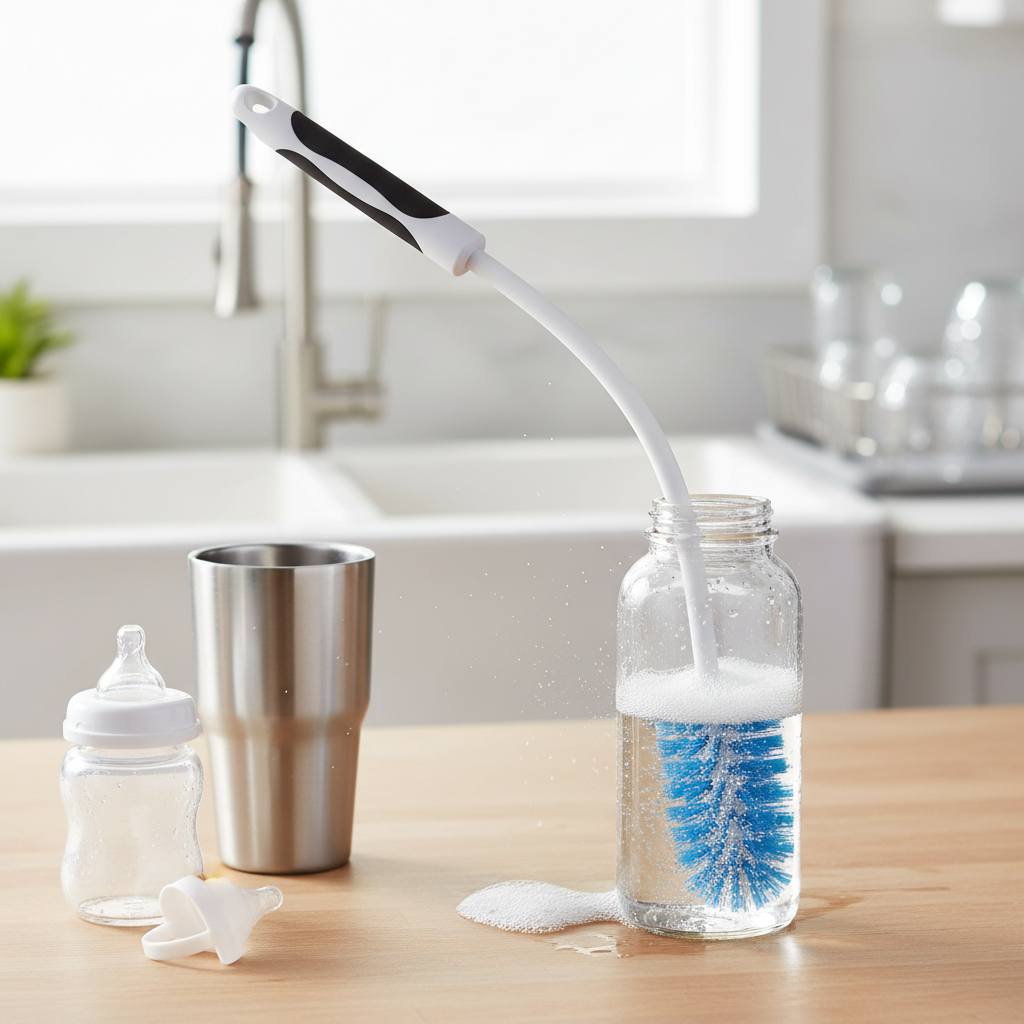
Navigating the world of baby gear can feel overwhelming, especially when it comes to ensuring your little one’s health and safety. If you’re a pumping parent, you know that meticulous cleaning of breast pump parts isn’t just a suggestion—it’s a crucial step to protect your baby from harmful bacteria and ensure the longevity of your valuable equipment. But with so many brushes on the market, how do you choose the right tools for this delicate yet vital task? This comprehensive guide, crafted with over a decade of experience in household item maintenance, will help you uncover the best brushes for cleaning breast pump parts in 2026, offering insights into materials, design, and effective usage to simplify your routine and provide peace of mind.
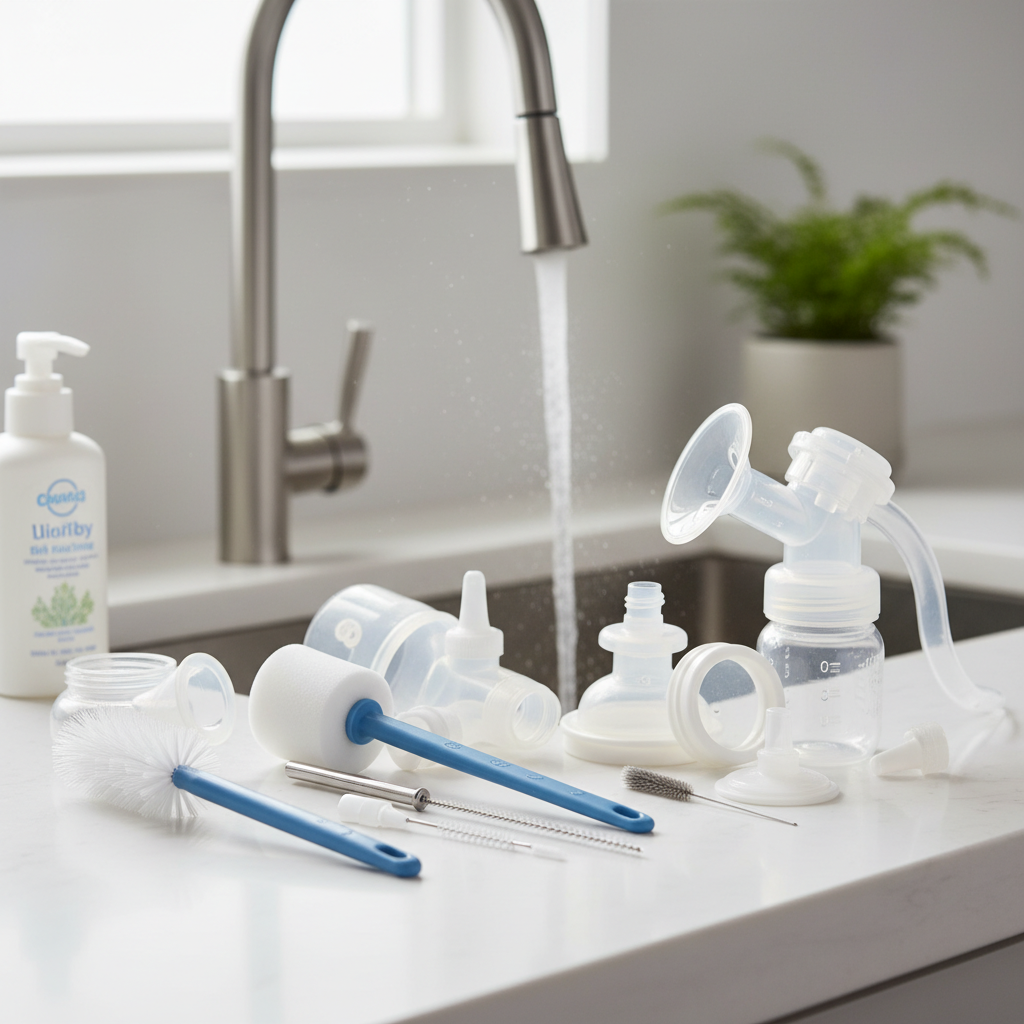
What are Specialized Brushes and Why Do You Need Them for Breast Pump Parts?
Specialized brushes are cleaning tools meticulously designed with specific shapes, sizes, and materials to effectively clean intricate baby items, including bottles, nipples, and crucially, breast pump components. Unlike standard kitchen brushes, these are engineered to reach every nook, cranny, and narrow crevice found in pump flanges, valves, connectors, and tubing. The unique design ensures that no milk residue is left behind, which can quickly become a breeding ground for bacteria, mold, and mildew.
Using the right brushes for your breast pump parts is not merely about cleanliness; it’s about safeguarding your baby’s health. Inadequate cleaning can lead to harmful bacteria contaminating breast milk, potentially causing gastrointestinal issues or infections for your infant. Beyond health concerns, proper cleaning with appropriate brushes extends the life of your pump parts, preventing clogs, deterioration of delicate silicone valves, and unpleasant odors, ultimately saving you money and hassle in the long run.
Popular Types of Brushes for Breast Pump Parts on the Market
The market offers a variety of specialized brushes, each with unique characteristics suited for different cleaning needs. Understanding these types will help you assemble the perfect arsenal for your breast pump cleaning routine.
Brushes are primarily categorized by their material and design, offering distinct advantages and disadvantages.
-
By Material:
- Silicone Brushes: These are gaining immense popularity due to their durability, hygienic properties, and gentle yet effective cleaning power. Silicone bristles are non-abrasive, preventing scratches on plastic or glass parts, and they dry quickly, inhibiting mold growth. They are also often dishwasher-safe and can withstand high temperatures for sterilization.
- Nylon/Bristle Brushes: Traditional and effective, nylon brushes feature firm bristles that excel at scrubbing away stubborn milk film. They come in various densities and shapes, making them versatile. However, nylon bristles can sometimes scratch softer plastics if not used gently, and they tend to retain water longer, requiring diligent air-drying to prevent bacterial buildup.
- Foam Brushes: Known for their softness, foam brushes are incredibly gentle on delicate surfaces. They are excellent for light cleaning and preventing scratches. The downside is that foam can degrade quickly with frequent use and may not be as effective at scrubbing tough, dried-on residue. They also tend to absorb water, making thorough drying essential.
-
By Shape and Size:
- Bottle Brushes: These are the larger, long-handled brushes, often with a wider head, designed to clean the interior of bottles and larger pump components like collection bottles or flanges. Many come with a smaller, integrated nipple brush that screws into the handle.
- Small Detail Brushes/Nipple Brushes: Essential for tiny pump parts such as valves, membranes, and connectors, these brushes feature small, narrow heads or pointed tips that can reach into the smallest orifices. They are often thin and flexible, resembling pipe cleaners or straw brushes.
- Straw Brushes: Characterized by their long, slender wire handles and small brush heads, straw brushes are perfect for cleaning narrow tubes or channels found in some pump systems or bottle parts.
Each type serves a specific purpose, and often, a combination of these brushes offers the most comprehensive cleaning solution for breast pump parts.
Important Criteria When Choosing Breast Pump Cleaning Brushes
Selecting the best brushes requires considering several key factors that impact safety, effectiveness, and convenience.
Material
The material of your cleaning brush is paramount, directly influencing its safety, durability, and ease of maintenance.
- Safety for Health (BPA-free, free of harmful substances): Always prioritize brushes made from food-grade materials that are BPA-free, PVC-free, and phthalate-free. These certifications ensure that no harmful chemicals leach into your baby’s feeding equipment during cleaning or use. Look for clear labeling on the packaging.
- Durability and Heat Resistance: A good breast pump brush should withstand frequent use and repeated sterilization methods (boiling, steam, UV). Silicone brushes generally excel here, offering superior heat resistance and longevity compared to some nylon or foam options that may degrade faster.
- Ease of Cleaning and Sterilization: The brush itself needs to be easy to clean to prevent bacterial growth. Materials that can be easily rinsed, air-dried quickly, or are dishwasher-safe (top rack recommended) are ideal. Silicone’s non-porous nature makes it particularly easy to keep hygienic.
|
Our Picks for the Best Bottle brush in 2026
As an Amazon Associate I earn from qualifying purchases.
|
||
| Num | Product | Action |
|---|---|---|
| 1 | ALINK 16 inch Long Bottle Brush Cleaner for Washing Wine/Beer/Sport Well/Thermos/Glass, Hummingbird Feeder and Long Narrow Neck Sport Bottles |

|
| 2 | Momcozy Bottle Brush Kit with Push-Press Foam Design - Newborn Essentials Gift, Portable Cleaning Tool for Home & Travel, Baby Bottle Cleaner Brush for Breast Pumps & Nipples, Green |
|
| 3 | Holikme Bottle Brush Tube Cleaning Lab Set with Long Handle, Cup Cleaner for Washing Narrow Neck Beer Wine Decanter Pipes Lids Sinks Cap Covers, White |
|
| 4 | MR.SIGA Long Handle Bottle Brush, Flexible Scrub Brush for Water Bottles, Glasswares, Mugs, Black, 2 Pack |
|
| 5 | Holikme 6 Pack Bottle Brush Set, 14" Long Handle Stainless Steel Bottle Cleaner Brush, 3 Straw Brushes, 3-in-1 Bottle Cleaning Brush for Water Bottle, Antistatic Lab Brushes, Straws Black |
|
| 6 | OXO Tot Bottle Brush with Stand, Baby Bottle Brush |
|
| 7 | ROSEOK 2 in 1 Long Handle Bottle Brush with Straw Brush for Cleaning Glass, Sports Bottle, Coffee Mug,Navy Blue,1 Pack |
|
| 8 | Amazon Brand - Mama Bear Baby Bottle Brush with Nipple Cleaner and Suction Cup Stand, White (Pack of 3) |
|
| 9 | Munchkin Sponge Bottle Brush, Grey/Sage, 2 Count (Pack of 1) |
|
| 10 | Scotch-Brite Glass and Water Bottle Brush, Long-Lasting, Safe on Glassware, Shaker Bottles, Food Processors, & More, Non-slip handle, Durable, Reusable, Clean in Top Rack of Your Dishwasher |
|
Design
An effective design makes cleaning less of a chore and more thorough.
- Sturdy, Comfortable Handle: An ergonomic, non-slip handle provides a secure grip, especially when wet, making the cleaning process easier and more efficient. Look for handles that are comfortable to hold for extended periods.
- Flexible Brush Head, Easy Access to Corners: The brush head should be flexible enough to conform to the curves and corners of various pump parts. Many bottle brushes feature a flexible neck or an angled head to better reach the bottom and sides of bottles and flanges.
- Replaceable Brush Heads (if applicable): Some high-end brush sets offer replaceable heads, allowing you to extend the life of the handle and reduce waste. This can be a cost-effective and eco-friendly feature to consider.
- Integrated Small Brushes: Many bottle brushes come with a smaller nipple brush conveniently stored within the handle, ensuring you always have the right tool for tiny parts. A suction cup base is also a plus for upright, hygienic drying.
Size
Matching the brush size to your cleaning needs is critical for thoroughness.
- Suitable for Bottle Size and Other Items: Ensure the main brush is long enough to reach the bottom of your largest breast milk collection bottles or other feeding accessories.
- Easy to Store and Carry: Consider storage space in your kitchen and if you need a compact set for travel or for cleaning at work. Some brushes come with their own drying stands or compact cases.
Brand and Price
While not directly related to performance, these factors play a role in your purchasing decision.
- Choose Reputable, Highly-Rated Brands: Brands specializing in baby products often have a better understanding of the unique cleaning challenges. Look for brands with strong positive reviews and a track record of quality.
- Compare Prices Across Different Suppliers: Prices can vary significantly between retailers. Compare online and in-store options to find the best value.
- Consider Quality vs. Value: The cheapest option isn’t always the best. Investing in a slightly more expensive, durable, and effective brush set can save money and prevent health risks in the long run.
Comparison Table: Popular Breast Pump Cleaning Brushes
| Type of Brush | Material | Design Features | Typical Size | Price Range (USD) | Pros | Cons |
|---|---|---|---|---|---|---|
| Silicone Bottle Brush | Silicone | Flexible head, ergonomic handle, suction base | ~12-14 inches long (main brush) | $10-$20 | Highly hygienic, quick-drying, no scratches, very durable, often dishwasher safe. | May require more effort for dried-on residue compared to nylon. |
| Nylon Bristle Bottle Brush | Nylon, plastic handle | Firm bristles, often includes nipple brush in handle | ~10-13 inches long | $5-$15 | Excellent scrubbing power for tough residue, widely available. | Can scratch delicate surfaces if not careful, prone to retaining water/bacteria if not dried properly. |
| Small Detail/Nipple Brush | Nylon or silicone, wire handle | Tiny brush head, flexible wire for small parts | ~4-8 inches long | $3-$10 (often in sets) | Essential for tiny valves, membranes, and connectors; reaches otherwise inaccessible areas. | Can be lost easily due to small size, bristles can bend/fray over time. |
| Foam Bottle Brush | Foam, plastic handle | Soft foam head, gentle on surfaces | ~10-12 inches long | $5-$12 | Very gentle, prevents scratches. | Less effective on stubborn residue, foam can degrade quickly, absorbs water making drying crucial. |
| Travel Cleaning Kit | Mixed (silicone/nylon) | Compact case, often foldable brush, small detail brush, drying rack | Varies, travel-sized | $15-$30 | Highly portable, convenient for on-the-go cleaning. | May be less robust than full-sized sets, smaller brushes can be harder to handle. |
How to Use and Maintain Your Breast Pump Brushes Correctly
Proper usage and maintenance of your cleaning brushes are just as important as choosing the right ones to ensure optimal hygiene and extend their lifespan.
How to Use
Following a consistent cleaning routine is key to preventing bacterial growth and residue buildup.
- Rinse Immediately: After each pumping session, disassemble all breast pump parts and rinse them under cool, running water immediately. This helps remove most milk residue before it dries and becomes harder to clean.
- Use Appropriate Cleaning Solution: Wash parts and brushes in a dedicated wash basin (not the main sink) with warm, soapy water and a mild, unscented dish soap. Ensure the soap is safe for baby items.
- Thorough Scrubbing: Use the appropriate brush for each part. The large bottle brush for flanges and collection bottles, and the small detail brush for valves, membranes, and connectors. Pay close attention to narrow openings and crevices where milk can hide. Scrub until all visible milk film is gone.
- Rinse Thoroughly: After scrubbing, rinse all parts and brushes meticulously under warm, running water to remove all soap residue.
How to Maintain
Proper maintenance ensures your brushes remain effective and hygienic.
- Air Dry Completely: After rinsing, place brushes on a clean drying rack in an upright position or on a clean paper towel. Allow them to air dry completely. Avoid using towels, as they can transfer germs. A suction cup base on a brush handle can aid in upright drying.
- Replace Regularly: Brushes are not meant to last forever. For optimal hygiene, replace your breast pump brushes every 30-45 days, or sooner if you notice visible wear and tear, fraying bristles, mold, or persistent odors.
- Regular Sterilization: In addition to daily washing, sterilize your brushes periodically, especially if they are silicone or heat-resistant nylon. This can be done by boiling for 5 minutes, using a steam sterilizer, or following manufacturer instructions.
Where to Buy Breast Pump Brushes? Top Products Favored by Parents
Finding reliable breast pump cleaning brushes is easier than ever, with many options available both online and in brick-and-mortar stores.
-
Reputable Retailers:
- Baby Specialty Stores: Stores like BuyBuy Baby or local independent baby shops often have a curated selection and knowledgeable staff.
- Supermarkets/Pharmacies: Larger chains with baby sections (e.g., Target, Walmart, CVS) typically carry common brands.
- Online Marketplaces: Amazon, Walmart.com, and the official websites of major baby brands (Medela, Spectra, Philips Avent, Dr. Brown’s, OXO Tot) offer the widest selection and user reviews.
-
Top Products Highly Rated by Consumers (as of early 2026):
- Dr. Brown’s Bottle & Bottle Brush: A long-standing favorite, known for its sturdy construction and included chevron channel cleaner.
- Munchkin Bottle & Nipple Brush: Affordable and effective, often praised for its suction cup base and durability.
- OXO Tot Bottle & Cup Cleaning Set: A popular choice for its ergonomic handle, flexible head, and integrated detail brush.
- Philips Avent Bottle Brush: Features a curved brush head and molded tip for thorough cleaning of all bottle and pump parts.
- Boon Forb Mini Brush Set: A cute and functional set of small brushes perfect for tiny pump components and bottle nipples, often resembling a flower.
- Comotomo Silicone Baby Bottle Brush: Highly rated for its all-silicone, hygienic design that’s gentle on bottles and pump parts.
When shopping, always check recent reviews for the latest models and consider buying brush sets that include a variety of sizes to cover all your breast pump cleaning needs.
Buying Guide: Expert Advice on Selecting Breast Pump Cleaning Brushes
Choosing the right breast pump cleaning brushes is an investment in your baby’s health and your peace of mind. As someone who has spent years testing and researching cleaning tools, I emphasize a few key takeaways.
“Don’t underestimate the power of a dedicated detail brush; those tiny valves and membranes are bacterial hiding spots. A good cleaning brush isn’t just a brush; it’s a guardian of your baby’s health.” – Admin, reviewmht.com, Cleaning & Maintenance Expert
First, material matters: silicone offers superior hygiene and durability, while nylon provides excellent scrubbing power. A combination of both in your cleaning arsenal is often ideal. Second, design dictates efficiency: look for ergonomic handles, flexible heads, and integrated smaller brushes to tackle all parts with ease. Third, never compromise on safety: always choose BPA-free, food-grade materials to avoid chemical exposure. Finally, remember that even the best brushes need to be replaced regularly—they’re not lifetime products. Regularly inspect your brushes for wear and tear, and replace them every 1-2 months for optimal hygiene. Prioritize quality over the lowest price, as a reliable brush set will significantly ease your daily routine and protect your little one.
Conclusion
Ensuring the pristine cleanliness of your breast pump parts is a critical aspect of infant care, directly impacting your baby’s health and the longevity of your pumping equipment. By understanding the different types of brushes available—from hygienic silicone to powerful nylon—and considering essential criteria like material safety, design, and size, you are well-equipped to make an informed decision. Remember to practice correct usage and maintenance, including regular replacement, to keep your cleaning tools effective and safe. Investing in the best brushes for cleaning breast pump parts in 2026 means investing in peace of mind, knowing you’re providing the safest, healthiest start for your little one. What steps will you take today to upgrade your breast pump cleaning routine?
Câu Hỏi Thường Gặp
How often should I replace my breast pump cleaning brushes?
You should replace your breast pump cleaning brushes every 30 to 45 days, or sooner if you notice any signs of wear and tear, such as frayed bristles, discoloration, or persistent odors. Regular replacement is crucial for maintaining optimal hygiene and preventing bacterial buildup, ensuring a safe cleaning environment for your baby’s feeding equipment.
Can I use a regular dish brush to clean breast pump parts?
It is strongly discouraged to use a regular dish brush for breast pump parts. Regular dish brushes may harbor food particles and bacteria from other dishes, and their bristles are often too stiff or not shaped correctly to effectively clean the intricate and delicate components of breast pump parts without causing damage or missing crucial spots.
Are silicone brushes better than nylon brushes for breast pump parts?
Silicone brushes are often preferred for breast pump parts due to their non-porous, quick-drying nature, which helps inhibit mold and bacterial growth, and their gentle action that prevents scratching. However, nylon brushes offer superior scrubbing power for stubborn, dried-on milk residue. Many parents find a combination of both types to be most effective.
What is the best way to dry breast pump cleaning brushes after use?
The best way to dry breast pump cleaning brushes is to rinse them thoroughly, shake off excess water, and then place them upright on a clean drying rack or a dedicated brush holder, allowing air to circulate freely. Avoid using towels, as they can reintroduce germs. Ensuring complete air drying is vital to prevent bacterial growth.
Do I need a separate set of brushes just for breast pump parts?
Yes, it is highly recommended to have a separate set of brushes exclusively for breast pump parts and baby feeding items. This practice helps prevent cross-contamination from other dishes, which might carry germs or food allergens. Maintaining dedicated cleaning tools ensures the highest level of hygiene for your baby’s health.