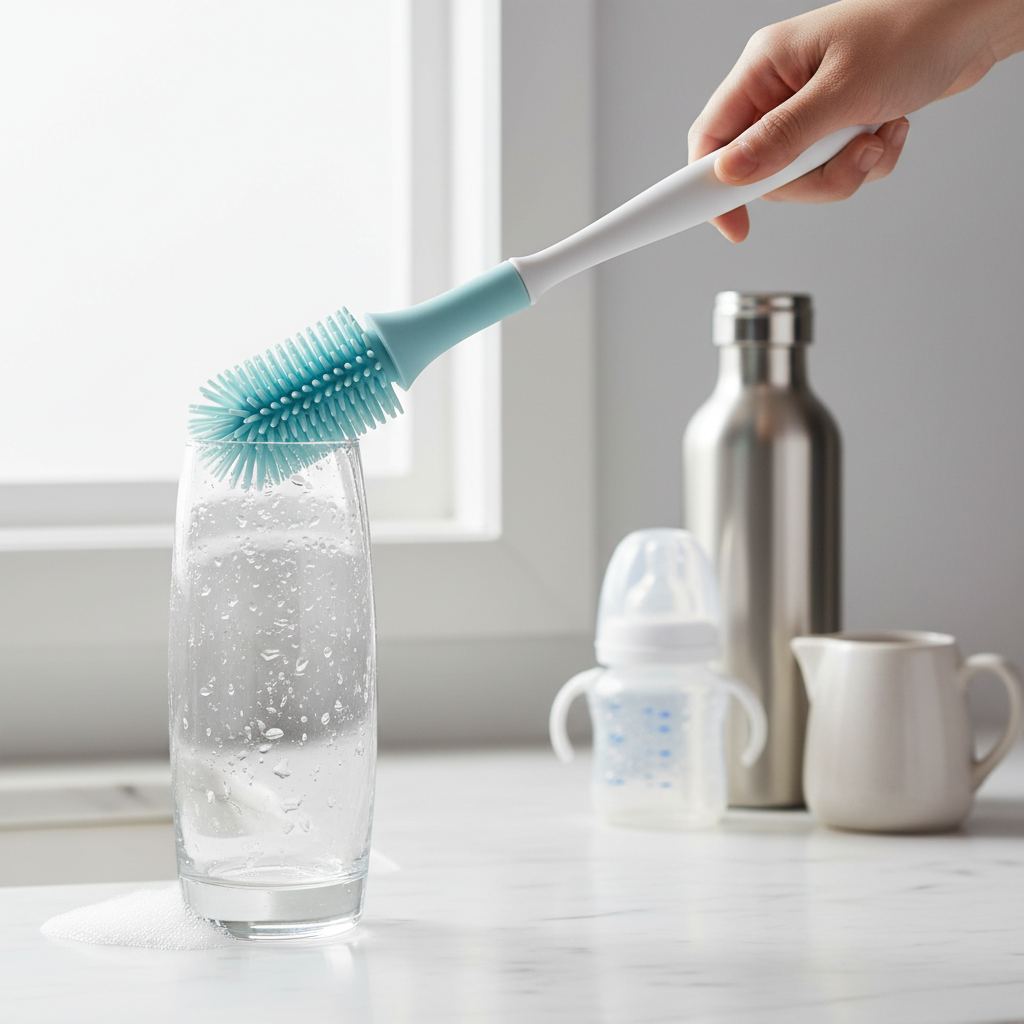
In the exacting world of scientific research, the integrity of your experiments hinges on countless details, not least of which is the pristine cleanliness of your laboratory glassware. From beakers to complex flasks, even the slightest residue can compromise results, leading to costly errors and wasted time. This guide is your indispensable resource for navigating the diverse landscape of laboratory brush sets, ensuring you select the optimal tools to maintain a spotless and reliable lab environment.
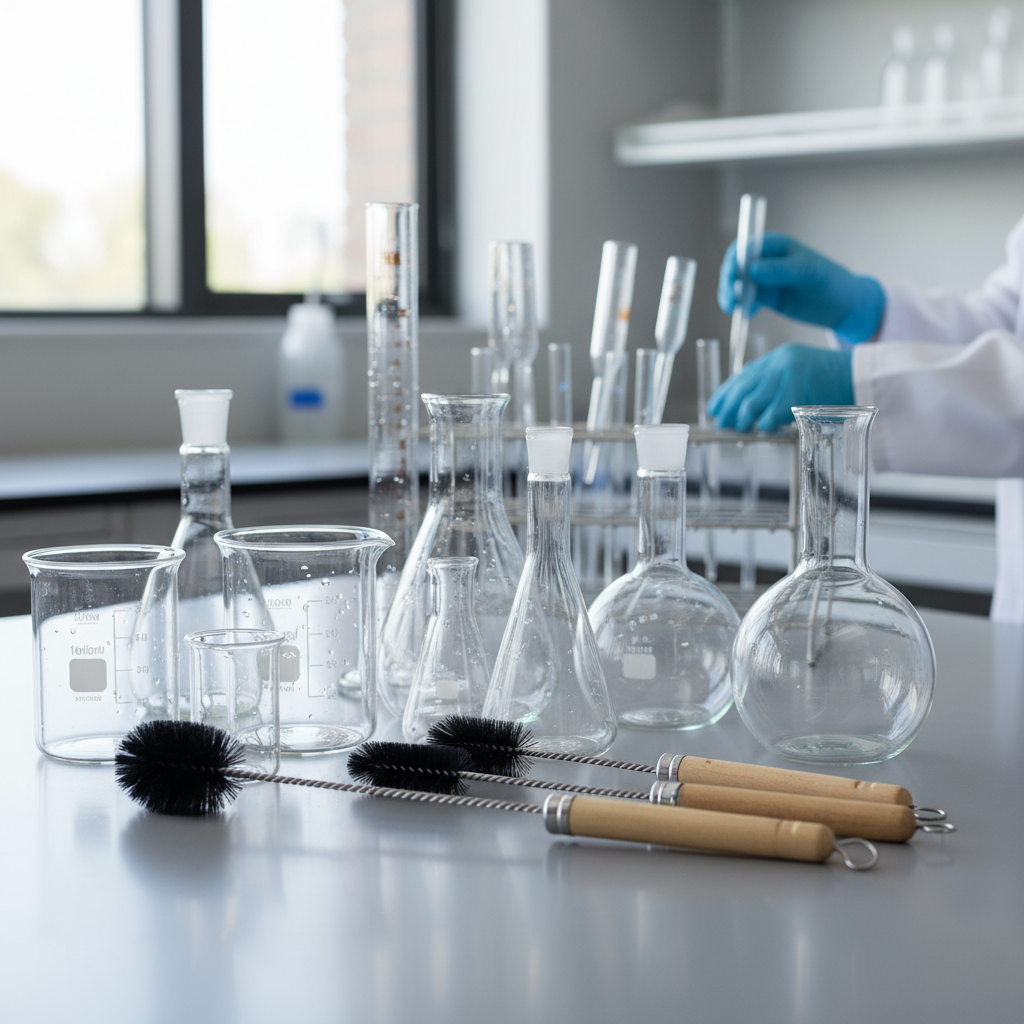
What Are Laboratory Brushes and Why Are They Essential?
Laboratory brushes are not your average kitchen scrubbers. They are specialized cleaning instruments meticulously designed to tackle the unique shapes, sizes, and stubborn residues found in scientific glassware and equipment. Their purpose extends far beyond simple dirt removal; they are critical guardians of scientific accuracy. Without the right brushes, scientists face incomplete cleaning, which can lead to cross-contamination, inaccurate measurements, and potential damage to expensive equipment. Proper cleaning with the correct tools safeguards experimental integrity, ensuring reproducible and reliable data.
Types of Laboratory Brushes for Beakers and Flasks
The diverse array of laboratory glassware necessitates a variety of brush types, each engineered for a specific cleaning challenge. Understanding these categories is the first step toward building an effective cleaning arsenal.
- Test Tube Brushes: These are typically long, narrow brushes with flexible bristles designed to thoroughly clean the interior surfaces of test tubes, graduated cylinders, and other slender, cylindrical glassware. They often feature a tufted end to reach the very bottom.
- Beaker Brushes: Wider and more robust, beaker brushes are built for open-mouthed containers. Their sturdy handles and broader bristle heads make them ideal for scrubbing the sides and bottoms of beakers and wide-mouth jars.
- Bottle Brushes: Characterized by their long, flexible handles and often rounded bristle heads, bottle brushes are perfect for reaching deep into and around the internal curves of reagent bottles and other containers with narrow openings.
- Flask Brushes: Perhaps the most varied category, flask brushes are specifically shaped to navigate the intricate contours of different flasks. This includes brushes with angled handles to access the shoulders and necks of Erlenmeyer flasks, or flexible, pivoting heads designed for round-bottom flasks and volumetric flasks.
- Specialty Brushes: Beyond these core types, specialized brushes exist for virtually every piece of lab equipment, including thin brushes for burettes and condensers, delicate microbrushes for pipettes and chromatography columns, and robust sieve brushes for mesh screens.
Key Criteria for Choosing the Right Laboratory Brush Set
Selecting the ideal brush set requires careful consideration of several factors to ensure efficacy, safety, and longevity.
Material Safety and Durability
The materials used in laboratory brushes are paramount, directly influencing their cleaning power, lifespan, and compatibility with various chemicals.
- Bristles:
- Nylon bristles are a staple in labs due to their superior resistance to a wide range of chemicals, including acids, alkalis, and solvents. Their synthetic nature also minimizes the risk of microbial growth, and they are typically non-abrasive, preventing scratches on delicate glassware.
- Natural fibers (such as hog hair or camel hair) offer inherent abrasive properties, making them effective for removing stubborn or dried residues. However, they are generally less chemical-resistant and can potentially harbor microorganisms, making them more suitable for less demanding tasks.
- Polyester bristles offer a good balance of durability and chemical resistance.
- Stainless steel bristles provide exceptional durability and resistance to high temperatures, often used for cleaning glassware subjected to autoclaving or other sterilization processes. However, their abrasive nature means they must be used with caution to avoid scratching delicate glass surfaces.
- Handles: Handles are commonly made from stainless steel wire, galvanized wire, or durable plastics like polypropylene. Polypropylene handles are particularly valued for their chemical resistance and ergonomic grip.
- Safety Standards: Look for brushes made from BPA-free materials and, where applicable, those that meet FDA or USDA approved material standards, especially for sensitive applications. Bristle retention is a crucial aspect of durability, as brushes that shed bristles can introduce contaminants, compromising cleaning effectiveness and experimental results.
|
Our Picks for the Best Bottle brush in 2026
As an Amazon Associate I earn from qualifying purchases.
|
||
| Num | Product | Action |
|---|---|---|
| 1 | Momcozy Bottle Brush Kit with Push-Press Foam Design - Newborn Essentials Gift, Portable Cleaning Tool for Home & Travel, Baby Bottle Cleaner Brush for Breast Pumps & Nipples, Green |

|
| 2 | OXO Tot Bottle Brush with Stand, Baby Bottle Brush |
|
| 3 | ALINK 16 inch Long Bottle Brush Cleaner for Washing Wine/Beer/Sport Well/Thermos/Glass, Hummingbird Feeder and Long Narrow Neck Sport Bottles |
|
| 4 | Amazon Brand - Mama Bear Baby Bottle Brush with Nipple Cleaner and Suction Cup Stand, White (Pack of 3) |
|
| 5 | Holikme 6 Pack Bottle Brush Set, 14" Long Handle Stainless Steel Bottle Cleaner Brush, 3 Straw Brushes, 3-in-1 Bottle Cleaning Brush for Water Bottle, Antistatic Lab Brushes, Straws Black |
|
| 6 | MR.SIGA Long Handle Bottle Brush, Flexible Scrub Brush for Water Bottles, Glasswares, Mugs, Black, 2 Pack |
|
| 7 | Scotch-Brite Glass and Water Bottle Brush, Long-Lasting, Safe on Glassware, Shaker Bottles, Food Processors, & More, Non-slip handle, Durable, Reusable, Clean in Top Rack of Your Dishwasher |
|
| 8 | Munchkin Sponge Bottle Brush, Grey/Sage, 2 Count (Pack of 1) |
|
| 9 | ROSEOK 2 in 1 Long Handle Bottle Brush with Straw Brush for Cleaning Glass, Sports Bottle, Coffee Mug,Navy Blue,1 Pack |
|
| 10 | Holikme Bottle Brush Tube Cleaning Lab Set with Long Handle, Cup Cleaner for Washing Narrow Neck Beer Wine Decanter Pipes Lids Sinks Cap Covers, White |
|
Design for Optimal Cleaning
The design of a laboratory brush is critical for its ability to clean effectively and efficiently.
- Ergonomic Handles: A comfortable and secure grip reduces hand fatigue during prolonged cleaning tasks, making the process more efficient and less strenuous.
- Flexible and Shaped Heads: Glassware comes in myriad shapes, from narrow necks to round bottoms and intricate curves. Brushes with flexible shafts or uniquely shaped heads (e.g., angled tips, radial tufts, fan tips) are designed to reach every nook and cranny, ensuring comprehensive cleaning without leaving blind spots.
- Sets with Varied Sizes and Shapes: A comprehensive brush set typically includes a range of sizes and shapes to accommodate the diverse dimensions of laboratory glassware, from small test tubes to large carboys.
- Autoclavable Options: For laboratories where sterility is paramount, choosing brushes that can withstand autoclaving is essential for preventing cross-contamination.
Size and Compatibility
Matching the brush size to your glassware is fundamental. Using a brush that is too large can damage glassware or be ineffective, while one that is too small won’t provide adequate scrubbing action. Consider the diameter of openings, the depth of vessels, and the curvature of the interior when selecting individual brushes or a set.
Brand Reputation and Value
Investing in brushes from reputable laboratory supply manufacturers often guarantees higher quality materials, better construction, and superior design. While cost is a factor, prioritizing quality ensures durability and effective cleaning, offering better long-term value and reducing the need for frequent replacements.
Comparing Popular Laboratory Brush Materials
Understanding the pros and cons of common bristle materials can significantly aid in your selection process.
| Bristle Material | Pros | Cons | Best Use Cases |
|---|---|---|---|
| Nylon | Excellent chemical resistance, durable, non-scratching, low microbial growth risk. | Less abrasive for very stubborn, dried-on residues. | General lab glassware, routine cleaning, glassware exposed to various chemicals, delicate glass. |
| Natural Bristle (e.g., Hog Hair, Camel Hair) | Good abrasive properties for stubborn residues. | Lower chemical resistance, can harbor microorganisms, less durable than synthetics. | Cleaning dried organic matter, less chemically aggressive residues, tasks where scratching is less of a concern. |
| Stainless Steel Wire | Highly durable, resistant to high temperatures, very aggressive cleaning. | Can scratch delicate glassware, not suitable for all applications. | Heavy-duty cleaning, removing tough baked-on residues, glassware requiring high-temperature sterilization. |
Best Practices for Using and Maintaining Laboratory Brush Sets
Even the best brush set won’t perform optimally without proper usage and maintenance.
Proper Usage Techniques
- Pre-Rinsing: Always rinse glassware with tap water immediately after use to remove loose debris and soluble residues. This prevents substances from drying onto the glass, making subsequent cleaning easier.
- Use Laboratory-Grade Detergents: Employ specialized laboratory detergents like Alconox or Liquinox. These are formulated to effectively clean glassware without leaving residues that could interfere with experiments. Avoid household dishwashing detergents, which can often leave behind films.
- Gentle but Thorough Scrubbing: Apply gentle pressure while scrubbing to avoid scratching or breaking delicate glassware. Ensure the brush reaches all internal surfaces, including bottoms, shoulders, and narrow necks, for comprehensive cleaning.
- Rinsing Sequence: After scrubbing, rinse thoroughly with tap water to remove all detergent. Follow with multiple rinses of distilled water, and ideally, a final rinse with deionized water to ensure absolute purity and prevent water spots.
Extending Brush Lifespan and Ensuring Hygiene
Maintaining your brushes is as important as maintaining your glassware.
- Air Drying: After each use, thoroughly rinse your brushes and allow them to air dry completely, ideally hanging bristles down, in a clean, well-ventilated area. This prevents microbial growth and preserves bristle integrity.
- Regular Inspection: Periodically inspect your brushes for signs of wear, such as matted, bent, or shedding bristles, or rust on wire handles. A damaged brush is less effective and can even introduce contaminants.
- Periodic Replacement: Even with excellent care, brushes degrade over time. Replace your laboratory brushes periodically, typically every 3-6 months, or sooner if they show significant signs of wear or damage. This ensures consistent cleaning performance and hygiene.
- Proper Storage: Store brushes in a clean, dry place, ideally separated by type, to prevent cross-contamination and prolong their life.
Where to Find High-Quality Laboratory Brush Sets
High-quality laboratory brush sets are readily available from a variety of specialized suppliers. Reputable options include dedicated laboratory supply retailers, both online and physical, which often stock a wide range of brands and types. Look for suppliers known for their commitment to scientific equipment, as they are more likely to carry products that meet the rigorous standards required for laboratory work. When evaluating suppliers, consider their product descriptions for details on materials, compatibility, and certifications, and check for customer reviews from other lab professionals.
Expert Buying Guide: Investing in Lab Cleanliness
Choosing the right laboratory brush set is a critical investment in your research. Prioritize brushes with nylon bristles for general chemical resistance and non-scratch cleaning, or natural fibers for abrasive tasks. Always ensure the design matches your specific glassware shapes, especially for narrow-neck flasks and round bottoms. Don’t compromise on durability, opting for sturdy handles and bristles that won’t shed.
“In my ten years overseeing lab maintenance, I’ve learned that the right brush isn’t just a cleaning tool; it’s an extension of your commitment to precise, reproducible science. Investing in quality brush sets reduces frustration, prevents costly contamination, and ultimately streamlines your workflow.” – Admin, Reviewmht.com, Laboratory Equipment Specialist
Remember, spotless glassware is the foundation of reliable data. By meticulously selecting and maintaining your brush sets, you empower your lab to achieve consistent and accurate results, experiment after experiment.
Frequently Asked Questions
What makes a brush “laboratory grade”?
Laboratory-grade brushes are specifically engineered with materials and designs that withstand the harsh chemicals, rigorous cleaning protocols, and precise requirements of scientific environments. They are typically made with chemical-resistant bristles (like nylon) and sturdy handles, designed not to scratch delicate glassware or leave residues that could interfere with experiments.
Can I use household brushes to clean lab glassware?
It is strongly advised against using household brushes for laboratory glassware. Household brushes may contain detergents, residues, or abrasive materials that can contaminate experiments, scratch delicate glass, or degrade when exposed to laboratory chemicals. Laboratory-grade brushes are purpose-built to prevent these issues.
How often should I replace my lab brushes?
The replacement frequency depends on usage and material. As a general guideline, laboratory brushes should be replaced every 3-6 months, or immediately if they show signs of wear such as matted, bent, or shedding bristles, or if the handle is damaged or rusty. Regular inspection is key to ensuring ongoing effectiveness and hygiene.
What detergents are best for cleaning lab glassware with brushes?
For optimal cleaning of laboratory glassware, it is best to use specialized laboratory-grade detergents such as Alconox or Liquinox. These detergents are formulated to remove various residues effectively and rinse cleanly without leaving behind any films or interfering substances, which are common with household detergents.
Are there brushes specifically for delicate labware?
Yes, many laboratory brush sets include brushes specifically designed for delicate labware like pipettes, burettes, and certain types of volumetric flasks. These brushes often feature softer bristles, highly flexible shafts, and specialized shapes to clean intricate or narrow components without causing damage or scratches.