Embarking on the journey of homebrewing is rewarding, but anyone who’s tried knows the silent challenge: cleaning those notoriously narrow-necked carboys. A spotless carboy is the foundation of a great brew, preventing off-flavors and contamination that can spoil your hard work. While ordinary dish brushes might suffice for simple bottles, the unique shape and capacity of beer brewing carboys demand specialized tools. This comprehensive guide will navigate you through the world of carboy bottle brushes, helping you select the perfect cleaning companion to ensure your brewing vessels are pristine and ready for your next batch.
What Are Carboy Bottle Brushes and Why Are They Essential for Brewing?
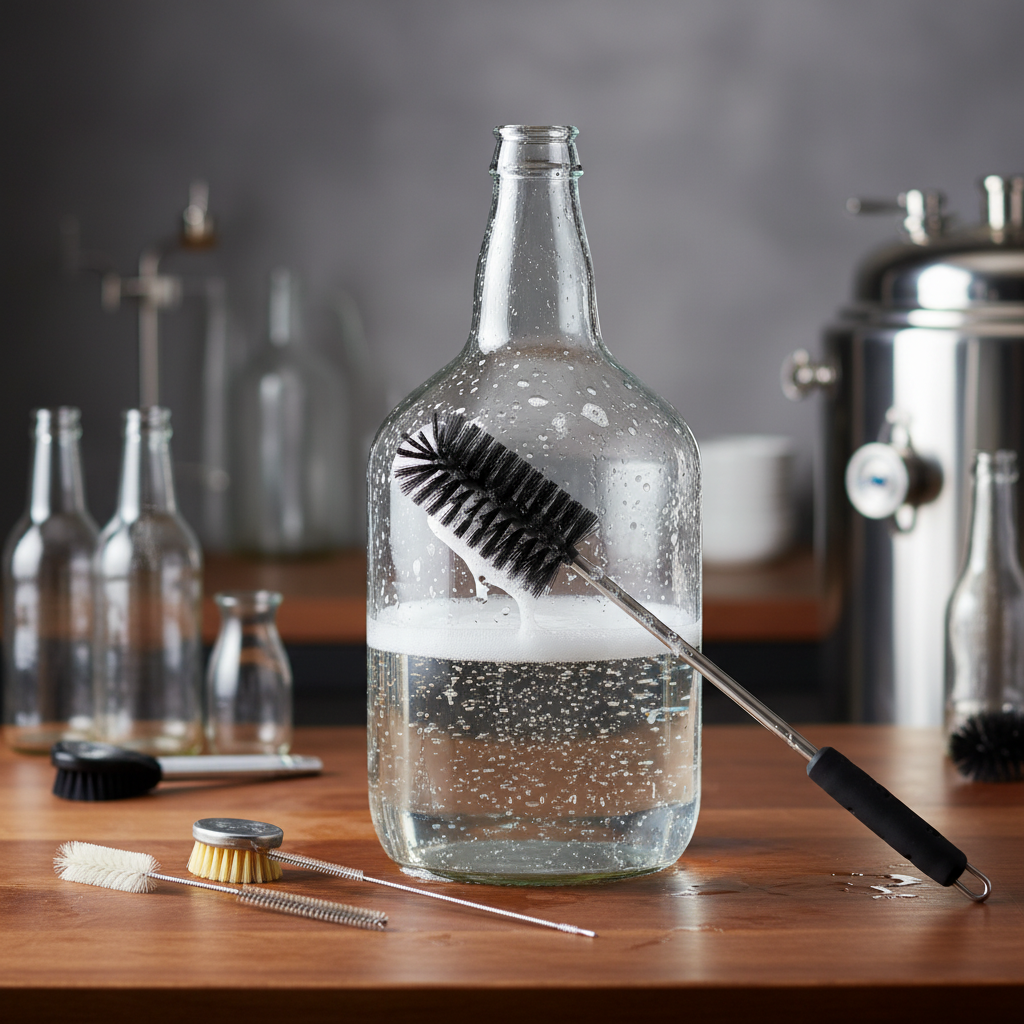
Carboy bottle brushes are specialized cleaning tools designed to tackle the unique challenges of cleaning large, often narrow-necked fermentation vessels like carboys and demijohns. Unlike standard bottle brushes, they boast extended lengths and specific head designs to reach every nook and cranny of these voluminous containers. Their importance in homebrewing cannot be overstated, as proper sanitization is paramount to producing quality beer.
The residual yeast, proteins, and “krausen rings” (a byproduct of fermentation) that cling to the inside of a carboy can harbor bacteria and wild yeasts. If not thoroughly removed, these contaminants can lead to off-flavors, infections, and even spoiled batches. A dedicated carboy brush, combined with appropriate cleaning agents, mechanically scrubs away these stubborn residues, providing a clean surface that can then be effectively sanitized. Without a suitable carboy brush, achieving the deep clean necessary for brewing hygiene is incredibly difficult, often leaving behind unseen culprits that compromise your beer’s taste and longevity.
Types of Carboy Cleaning Solutions: Manual vs. Automated
Cleaning carboys effectively often requires more than just a quick rinse. The market offers a range of tools, from traditional manual brushes to more innovative automated systems, each with its own advantages and ideal applications.
Traditional Manual Carboy Brushes
These are the familiar, long-handled brushes commonly found in homebrew supply stores. They typically feature sturdy handles, often made of stainless steel or durable plastic, with a brush head composed of nylon or polypropylene bristles. The heads vary in shape, from cylindrical to tapered or angled, designed to maneuver through carboy necks and reach the bottom and shoulders.
- Pros:
- Affordable and readily available: Generally the most budget-friendly option.
- Simple to use: No power source or complex setup required.
- Good for general cleaning: Effective for light grime and freshly rinsed carboys.
- Cons:
- Physical effort required: Manual scrubbing can be tiresome, especially for multiple carboys or tough stains.
- Limited reach/flexibility: Some designs struggle to reach all curves and corners, leaving potential blind spots.
- Risk of scratching plastic carboys: Stiff bristles can abrade plastic surfaces, creating microscopic scratches where bacteria can hide.
- Examples: Many generic long-handle brushes (like the KEHAIL US 28″ Long Bottle Brush) or specialized ones like the VINUM Carboy Cleaner (27″ long).
|
Our Picks for the Best Bottle brush in 2026
As an Amazon Associate I earn from qualifying purchases.
|
||
| Num | Product | Action |
|---|---|---|
| 1 | Holikme Bottle Brush Tube Cleaning Lab Set with Long Handle, Cup Cleaner for Washing Narrow Neck Beer Wine Decanter Pipes Lids Sinks Cap Covers, White |

|
| 2 | ALINK 16 inch Long Bottle Brush Cleaner for Washing Wine/Beer/Sport Well/Thermos/Glass, Hummingbird Feeder and Long Narrow Neck Sport Bottles |
|
| 3 | MR.SIGA Long Handle Bottle Brush, Flexible Scrub Brush for Water Bottles, Glasswares, Mugs, Black, 2 Pack |
|
| 4 | Holikme 6 Pack Bottle Brush Set, 14" Long Handle Stainless Steel Bottle Cleaner Brush, 3 Straw Brushes, 3-in-1 Bottle Cleaning Brush for Water Bottle, Antistatic Lab Brushes, Straws Black |
|
| 5 | Scotch-Brite Glass and Water Bottle Brush, Long-Lasting, Safe on Glassware, Shaker Bottles, Food Processors, & More, Non-slip handle, Durable, Reusable, Clean in Top Rack of Your Dishwasher |
|
| 6 | Amazon Brand - Mama Bear Baby Bottle Brush with Nipple Cleaner and Suction Cup Stand, White (Pack of 3) |
|
| 7 | Munchkin Sponge Bottle Brush, Grey/Sage, 2 Count (Pack of 1) |
|
| 8 | OXO Tot Bottle Brush with Stand, Baby Bottle Brush |
|
| 9 | Momcozy Bottle Brush Kit with Push-Press Foam Design - Newborn Essentials Gift, Portable Cleaning Tool for Home & Travel, Baby Bottle Cleaner Brush for Breast Pumps & Nipples, Green |
|
| 10 | ROSEOK 2 in 1 Long Handle Bottle Brush with Straw Brush for Cleaning Glass, Sports Bottle, Coffee Mug,Navy Blue,1 Pack |
|
Drill-Attached Carboy Cleaners
For brewers seeking a more powerful and less labor-intensive solution, drill-attached carboy cleaners have become increasingly popular. These systems typically consist of a long rod with a specialized cleaning head (often made of chamois or soft, floppy pads) that attaches to a standard power drill. The spinning action of the drill provides vigorous scrubbing power, making quick work of tough krausen rings and dried-on residue.
- Pros:
- Highly effective on stubborn stains: The mechanical action excels at removing caked-on krausen and other difficult deposits.
- Reduced physical effort: The drill does the hard work, saving your arms and shoulders.
- Thorough cleaning: The high-speed rotation ensures consistent contact with carboy surfaces.
- Safer for plastic carboys: Many use soft chamois or foam pads specifically designed not to scratch plastic.
- Cons:
- Requires a power drill: An additional piece of equipment is needed.
- Higher initial cost: Generally more expensive than manual brushes.
- Potential for splashing: The vigorous spinning can cause significant splashing, so caution is advised.
- Not ideal for all types of residue: While great for organic matter, specific mineral deposits (beerstone) might still require chemical solutions.
- Examples: The “Clean Bottle Express” and “Exchilerator Turbonik Brush” are prominent examples that utilize a drill for powerful cleaning action. The “Mark II Keg and Carboy Washer” is another automated option, though it’s more of a washing station with a pump rather than a drill attachment, and some users report pump issues.
Alternative Cleaning Aids
Beyond dedicated brushes, several other aids can enhance carboy cleaning, often used in conjunction with brushes or as standalone solutions for specific issues.
- Cleaning Beads/Rice/Sand: For extremely stubborn spots in glass carboys, adding a small amount of abrasive material like stainless steel cleaning beads, rice, or even sand with a cleaning solution and shaking vigorously can provide excellent mechanical scrubbing. Caution: Avoid this method with plastic carboys to prevent scratching.
- Magnetic Scrubbers: Less common for large carboys due to their size, but smaller versions exist for hard-to-reach spots in bottles, using magnets to guide an internal scrubbing pad.
- Soaking Agents: Powerful cleaning chemicals like Powdered Brewery Wash (PBW) or Oxiclean Free are indispensable. An overnight soak with hot water and these solutions can loosen or dissolve most organic matter, often reducing the need for aggressive scrubbing. Acids like citric acid or Star San (at cleaning concentration, not just sanitizing) are effective against mineral deposits like beerstone. These are often used as a primary cleaning method or as a pre-treatment before brushing.
“A common mistake homebrewers make is thinking scrubbing alone is enough. The truth is, proper cleaning chemistry, like a good PBW soak, does most of the heavy lifting, and the brush simply helps ensure thorough contact and removes loosened debris.” – Admin, reviewmht.com
Key Factors When Choosing the Best Carboy Bottle Brush
Selecting the right carboy brush is crucial for efficient and effective cleaning. Consider these critical factors before making your purchase.
Material
The materials used in a carboy brush directly impact its durability, effectiveness, and safety for your brewing equipment.
- Bristles:
- Nylon/Polypropylene: Common for manual brushes, offering a balance of stiffness for scrubbing and flexibility to prevent excessive scratching (especially on glass). Look for high-density bristles that resist fraying.
- Chamois/Foam Pads: Primarily used in drill-attached cleaners, these soft materials are ideal for plastic carboys as they clean effectively without scratching.
- Handle:
- Stainless Steel: Offers superior durability, rust resistance, and rigidity for better scrubbing leverage.
- Durable Plastic: Lighter and often more flexible, but ensure it’s robust enough not to bend or snap under pressure.
- Safety: Always choose brushes made from BPA-free, food-grade materials to prevent chemical leaching into your brewing vessels.
Design and Length
The physical design of the brush is key to its ability to clean your specific carboy.
- Sufficient Length: Carboys are deep. A brush needs to be at least 25-30 inches long to comfortably reach the bottom of most 5-6.5 gallon carboys. Ensure the working length (including the brush head) can extend beyond the carboy’s height.
- Flexibility: A flexible shaft or a bendable wire core allows the brush to conform to the carboy’s contours, reaching shoulders, curves, and the bottom effectively. This is particularly important for glass carboys with distinct shoulders.
- Ergonomic, Non-Slip Handle: A comfortable and secure grip is essential, especially when your hands are wet and soapy. Look for handles with rubberized sections or textured surfaces to prevent slippage.
- Head Design:
- Rounded/Tapered: Good for general scrubbing and navigating narrow necks.
- Paddle-like/Floppy: Often found on drill attachments, designed to maximize surface contact when spinning.
Carboy Material Compatibility
Different carboy materials require different brush considerations to avoid damage.
- Glass Carboys: Generally more resilient, allowing for stiffer nylon bristles and more aggressive scrubbing. However, care must still be taken to avoid impact or excessive force that could lead to breakage.
- Plastic Carboys (PET): These are easily scratched. Scratches create ideal hiding places for bacteria and are nearly impossible to clean. For plastic, always opt for brushes with soft materials like chamois, foam pads, or very soft nylon bristles. Drill-attached cleaners with soft pads are particularly recommended for plastic carboys. Manual scrubbing should be gentle.
Ease of Use and Maintenance
A brush that is easy to use and maintain will encourage more frequent and thorough cleaning habits.
- Simple Assembly/Disassembly: Especially for modular brushes or those with replaceable heads.
- Easy to Clean and Dry: The brush itself needs to be cleaned and dried properly to prevent mildew and bacterial growth. Brushes that can be thoroughly rinsed and air-dried quickly are preferable.
- Replaceable Heads: An eco-friendly and cost-effective feature, allowing you to replace worn-out brush heads without buying an entirely new handle.
Comparison Table: Popular Carboy Cleaning Tools
| Tool Type | Key Features | Pros | Cons | Best For |
|---|---|---|---|---|
| Manual Long-Handle Brush | Nylon/PP bristles, 25-30″ length, flexible wire | Affordable, simple, no power needed, good for light cleaning. | Requires effort, less effective on stubborn grime, can scratch plastic. | General cleaning, maintenance, glass carboys with light residue. |
| Clean Bottle Express | Drill-attached rod, chamois/foam pads | Highly effective on krausen/stuck-on organic matter, low effort. | Requires drill, splashing risk, higher cost. | Stubborn krausen rings, regular deep cleaning, both glass and plastic carboys. |
| Mark II Carboy Washer | Pump-driven sprayer system, uses cleaning solution | Automated soaking/spraying, minimal manual effort, cleans kegs. | Higher cost, pump issues reported, less mechanical scrubbing. | Hands-off cleaning for multiple vessels, general maintenance, pre-soaking. |
| VINUM Carboy Cleaner | 27″ manual brush, durable bristles, modular | Good reach, sturdy, effective manual scrubbing. | Still requires manual effort, potentially less flexible than others. | Brewers preferring manual control for glass carboys, reaching deep vessels. |
How to Effectively Clean and Maintain Your Carboy Bottle Brush (and Carboy)
Effective cleaning is a two-part process: cleaning the carboy and maintaining your brush. Both are critical for successful brewing.
Pre-cleaning the Carboy
The best defense against stubborn grime is prevention.
- Rinse Immediately: As soon as you transfer your beer, rinse the carboy thoroughly with hot water. This prevents krausen and yeast from drying and adhering to the glass.
- Pre-Soak: For any remaining residue, fill the carboy with hot water and a suitable cleaning agent like PBW or Oxiclean Free. Let it soak overnight or for several hours. This will loosen most organic material, making scrubbing significantly easier. For beerstone, use an acidic cleaner after an initial PBW soak.
Using Your Carboy Brush
Once the carboy has been rinsed or pre-soaked, it’s time to brush.
- With Cleaning Solution: Always use your carboy brush with a cleaning solution (e.g., PBW solution, dish soap) to provide lubrication and help lift grime.
- Technique for Manual Brushes: Insert the brush carefully, working it around the interior surfaces. Pay close attention to the shoulders and bottom, where residue tends to accumulate. Use a twisting and pushing motion. For plastic carboys, be gentle to avoid scratches.
- Technique for Drill-Attached Brushes: Securely attach the cleaning head to your drill. With the carboy partially filled with cleaning solution, insert the cleaner and start the drill at a low speed, gradually increasing. Move the spinning head slowly up and down and around the interior, ensuring it makes contact with all surfaces, including the narrow neck and bottom. Wear protective eyewear and clothing to guard against splashes.
Cleaning and Storing the Brush
Your cleaning tools need to be clean too!
- Rinse Thoroughly: After each use, rinse your carboy brush under hot running water to remove all cleaning solution and debris.
- Air Dry Completely: Hang the brush upside down or in a manner that allows for maximum air circulation. Proper drying is essential to prevent mold, mildew, and bacterial growth on the bristles.
- Replace Regularly: Even the best brushes wear out. Inspect your brush for frayed or matted bristles, bent wires, or any signs of mold. As a general rule, replace manual brushes every 3-6 months, or more frequently with heavy use. Replaceable heads on automated cleaners should be changed as per manufacturer’s instructions or when they show signs of wear.
Important Cleaning Chemistry
Understanding cleaning agents is as important as the brush itself.
- Caustics (e.g., PBW, Oxiclean Free): Excellent for breaking down organic matter like yeast, krausen, and hop residue. Use with warm to hot water for best results.
- Acids (e.g., Star San [at cleaning concentration], Citric Acid, Barkeeper’s Friend): Specifically target mineral deposits like beerstone and hard water stains. These often require longer contact times.
- Sanitizers (e.g., Star San, Iodophor): Used after cleaning to kill any remaining microorganisms. Sanitizers do not clean; they only work on already clean surfaces.
- Never Mix Cleaners: Combining different cleaning chemicals can be dangerous or render them ineffective. Always rinse thoroughly between using different types of cleaners.
Where to Buy the Best Carboy Bottle Brushes? Top Products for Homebrewers
Finding the right carboy brush is easier than ever with numerous options available both online and in specialized stores.
- Online Retailers: Websites like Amazon, MoreBeer!, Northern Brewer, and Adventures in Homebrewing offer a vast selection of carboy brushes and cleaning systems. You’ll find products like the Clean Bottle Express Carboy Brush for drill-powered cleaning and various long-handle nylon brushes from brands like VINUM or KEHAIL US. Look for detailed product descriptions and customer reviews to guide your choice.
- Local Homebrew Shops (LHBS): Visiting your local homebrew store allows you to physically inspect brushes, get recommendations from experienced staff, and support your local brewing community. They often stock popular manual carboy brushes and can order specialized equipment.
When considering specific products, the Clean Bottle Express is consistently praised by brewers for its efficiency in tackling krausen rings, particularly with the aid of a power drill. For those preferring a manual approach, a VINUM Carboy Cleaner or similar extra-long, durable nylon brush is a reliable choice for reaching the depths of glass carboys. Ensure any manual brush you choose has a strong, non-slip handle and a flexible shaft to maneuver effectively.
Buying Guide: Expert Advice When Choosing Your Bottle Brush
Choosing the best bottle brush for your beer brewing carboys is an investment in your brewing success. Remember these key pieces of advice from seasoned brewers:
First and foremost, prioritize compatibility with your carboy material. If you have plastic carboys, a soft chamois or foam-tipped drill brush is almost non-negotiable to prevent irreversible scratching. For glass, you have more leeway with bristle types.
Secondly, consider the nature of your cleaning challenges. Are you mostly dealing with fresh krausen, or do you frequently encounter dried-on grime and beerstone? For persistent, stubborn messes, a drill-attached cleaner offers unparalleled mechanical scrubbing power. For general maintenance and freshly rinsed vessels, a robust, extra-long manual brush can be sufficient.
Third, don’t skimp on length and quality. A brush that’s too short or flimsy will quickly become a source of frustration. Look for sturdy construction, durable bristles that won’t deform easily, and a comfortable, non-slip grip. While price is a factor, the longevity and effectiveness of a quality brush will save you time, effort, and potential batches of contaminated beer in the long run.
Finally, remember that the brush is part of a system. No brush, however good, can entirely replace the power of a proper cleaning solution. Always use your brush in conjunction with an effective cleaner like PBW for organic matter and an acid for mineral deposits, followed by thorough sanitization. Invest in both good tools and good chemistry for truly spotless results.
Conclusion
A clean carboy is the cornerstone of great homebrewing, directly impacting the flavor, aroma, and stability of your beer. By understanding the different types of carboy bottle brushes available, from traditional manual scrubbers to powerful drill-attached systems, and considering crucial factors like material, design, and compatibility, you can make an informed decision that elevates your cleaning regimen. Pairing the right brush with effective cleaning agents and proper techniques will ensure your fermentation vessels are consistently pristine, allowing you to brew with confidence and enjoy truly exceptional homemade beer.
What carboy cleaning challenges have you faced, and which tools have you found most effective in tackling them?
Frequently Asked Questions
Can I use a regular kitchen bottle brush for my carboy?
No, regular kitchen bottle brushes are typically too short and often lack the flexibility and specialized head designs needed to effectively reach and clean the deep, curved interiors of beer brewing carboys. Using an undersized brush will likely leave residues behind, compromising your brew’s quality.
How do I clean stubborn beerstone from my carboy?
Stubborn beerstone, which is a mineral deposit, requires an acidic cleaner rather than a caustic one like PBW or Oxiclean. After an initial cleaning with PBW for organic matter, use a solution of phosphoric acid (like Star San at cleaning strength) or citric acid, letting it soak for several hours or overnight. A good carboy brush can then help remove any loosened deposits.
Is it safe to use a drill with a carboy brush?
Yes, it is generally safe to use a drill with a purpose-built carboy cleaning attachment, such as the Clean Bottle Express. These tools are designed for this application, typically featuring soft, non-abrasive pads to protect your carboy. Always start at a low speed, increase gradually, and wear safety glasses to prevent splashes.
What’s the difference between cleaning and sanitizing for carboys?
Cleaning removes visible dirt, organic matter, and grime from the carboy’s surface. Sanitizing, which must always follow cleaning, kills invisible microorganisms (bacteria, wild yeast) that could contaminate your beer. A carboy must be spotlessly clean before it can be effectively sanitized.