Are you tired of struggling with stained bottles and hidden grime, wondering if you’ll ever achieve that truly spotless clean? For parents, fitness enthusiasts, or anyone committed to reusable drinkware, a reliable bottle brush isn’t just a luxury – it’s an essential tool. The Tupperware Bottle Brush, often highlighted for its robust design and the promise of a lifetime warranty, steps into this crucial role, offering what many hope is the ultimate cleaning companion. But does it truly live up to its reputation as “the lifetime one” that can transform your cleaning routine?
What is a Bottle Brush and Why Do You Need It?
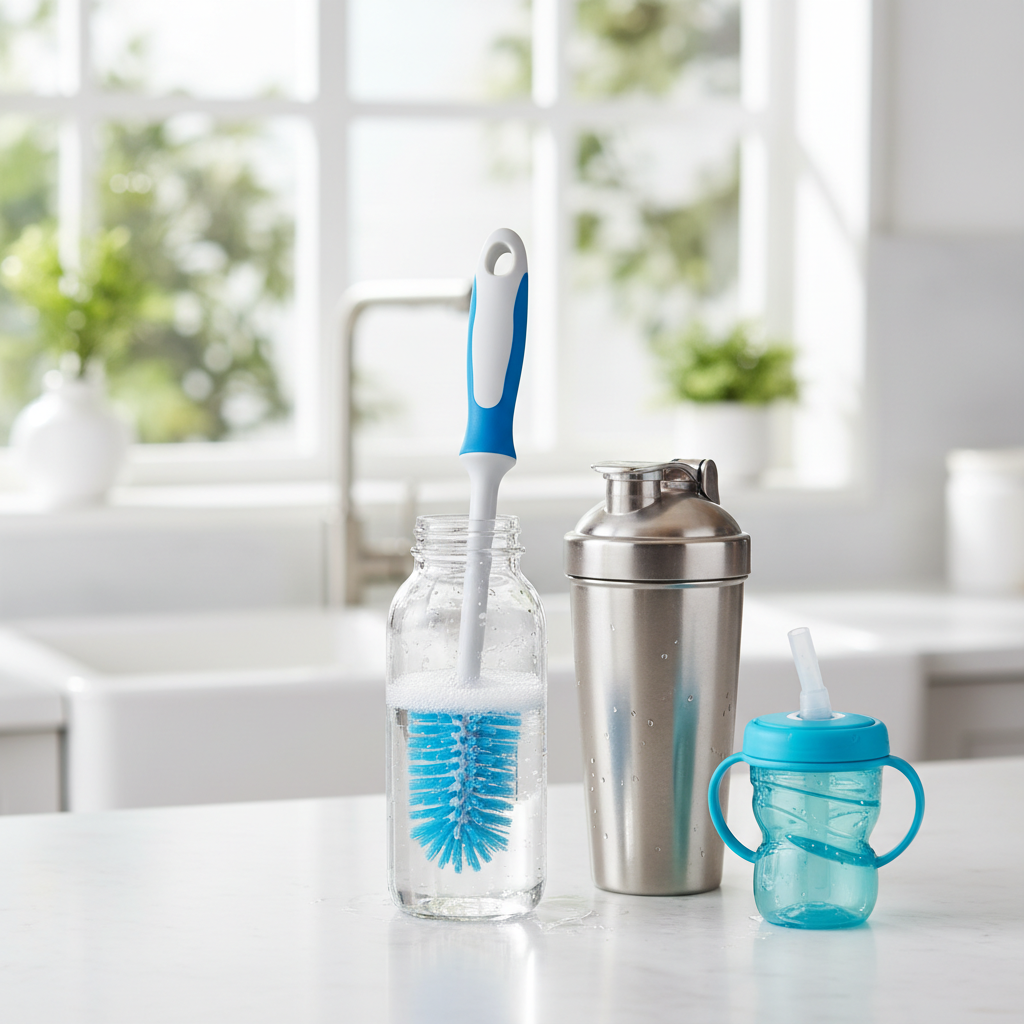
A bottle brush is a specialized cleaning tool designed with a long handle and bristles shaped to reach and scrub the interior surfaces of bottles, jars, and other narrow-necked containers that standard sponges or dishcloths cannot access. These brushes are indispensable for maintaining hygiene in various household items, from baby bottles and water bottles to delicate carafes and vases. Without a proper bottle brush, residue from milk, juice, coffee, or even plain water can accumulate in hard-to-reach areas, creating an ideal breeding ground for bacteria, mold, and unpleasant odors. This not only compromises hygiene but can also affect the taste of beverages and significantly shorten the lifespan of your cherished drinkware.
The Tupperware Bottle Brush: A Closer Look
The Tupperware Bottle Brush, frequently known as the Tupperware Eco Bottle Brush or Eco+ Water Bottle Brush, boasts a design optimized for efficiency and ease of use. It features an angled, flexible handle combined with a head that incorporates both soft and hard bristles. This dual-bristle system is engineered to tackle tough grime without scratching delicate surfaces, allowing you to effectively scrub away stubborn residues from the base and sides of bottles, as well as the intricate areas of caps and pop-tops.
Its impressive long reach, typically around 14 to 15 inches, ensures it can delve into the deepest corners of tall bottles that might otherwise remain untouched. The handle is thoughtfully designed with a raised surface that acts as a thumb rest, providing a secure and steady grip even when dealing with slippery, soapy water or smaller containers. While specifically tailored to fit all sizes of Tupperware Eco Bottles, its versatile design makes it suitable for cleaning a wide array of items, including various cups, pitchers, carafes, and travel mugs, solidifying its place as a multi-purpose cleaning tool in any kitchen. Furthermore, it is crafted from BPA-free materials, aligning with health safety standards for food and drink containers.
Tupperware’s “Lifetime One”: Understanding the Warranty
One of the most compelling aspects of many Tupperware products, including certain bottle brushes, is the promise of a Limited Lifetime Warranty. Tupperware warrants its products against chipping, cracking, breaking, peeling, or warping under normal, non-commercial household use for the lifetime of the product. This robust warranty reflects Tupperware’s longstanding commitment to the durability and quality of its items, offering consumers a sense of security and long-term value.
However, it’s important to understand the nuances of this warranty. While designed to protect against manufacturing defects and common wear and tear, specific terms can vary. For instance, replacement of a damaged item might result in a comparable product if the original isn’t available, or a voucher credit toward future Tupperware purchases. Additionally, shipping and handling charges, along with applicable taxes, may apply to warranty replacement items. It’s also worth noting that specific components, such as bristles or silicone parts, might have different or limited warranty coverages, so reviewing the particular product’s warranty details is always recommended. While many users report positive experiences with Tupperware’s warranty process, some online discussions suggest that claiming a warranty can sometimes be challenging or lead to non-direct replacements.
Key Criteria When Choosing a Bottle Brush (Including Tupperware)
Selecting the right bottle brush goes beyond just brand recognition; it involves considering several critical factors to ensure effective cleaning and long-term satisfaction.
Material Safety and Durability
|
Our Picks for the Best Bottle brush in 2026
As an Amazon Associate I earn from qualifying purchases.
|
||
| Num | Product | Action |
|---|---|---|
| 1 | Holikme Bottle Brush Tube Cleaning Lab Set with Long Handle, Cup Cleaner for Washing Narrow Neck Beer Wine Decanter Pipes Lids Sinks Cap Covers, White |

|
| 2 | OXO Tot Bottle Brush with Stand, Baby Bottle Brush |
|
| 3 | Munchkin Sponge Bottle Brush, Grey/Sage, 2 Count (Pack of 1) |
|
| 4 | Scotch-Brite Glass and Water Bottle Brush, Long-Lasting, Safe on Glassware, Shaker Bottles, Food Processors, & More, Non-slip handle, Durable, Reusable, Clean in Top Rack of Your Dishwasher |
|
| 5 | ROSEOK 2 in 1 Long Handle Bottle Brush with Straw Brush for Cleaning Glass, Sports Bottle, Coffee Mug,Navy Blue,1 Pack |
|
| 6 | ALINK 16 inch Long Bottle Brush Cleaner for Washing Wine/Beer/Sport Well/Thermos/Glass, Hummingbird Feeder and Long Narrow Neck Sport Bottles |
|
| 7 | Amazon Brand - Mama Bear Baby Bottle Brush with Nipple Cleaner and Suction Cup Stand, White (Pack of 3) |
|
| 8 | MR.SIGA Long Handle Bottle Brush, Flexible Scrub Brush for Water Bottles, Glasswares, Mugs, Black, 2 Pack |
|
| 9 | Holikme 6 Pack Bottle Brush Set, 14" Long Handle Stainless Steel Bottle Cleaner Brush, 3 Straw Brushes, 3-in-1 Bottle Cleaning Brush for Water Bottle, Antistatic Lab Brushes, Straws Black |
|
| 10 | Momcozy Bottle Brush Kit with Push-Press Foam Design - Newborn Essentials Gift, Portable Cleaning Tool for Home & Travel, Baby Bottle Cleaner Brush for Breast Pumps & Nipples, Green |
|
The material of your bottle brush is paramount, especially when cleaning items used for food and drink. Prioritize brushes made from safe, non-toxic, and BPA-free materials, as the Tupperware Bottle Brush is. Other popular materials include silicone, which is highly durable, non-absorbent, and can be easily sterilized by boiling, and nylon, which offers good scrubbing power. The durability of the material determines how long the brush will last and how well it will withstand repeated use and exposure to hot water and detergents.
Design and Ergonomics
A well-designed bottle brush should make cleaning easier, not harder. Look for features that enhance usability, such as a sturdy, comfortable handle that provides a firm grip, minimizing slippage. The flexibility of the brush head is also crucial; it should be agile enough to navigate curves and reach tight corners without requiring excessive force. While less common for bottle brushes, some designs offer replaceable heads, which can extend the life of the handle and reduce waste.
Size and Compatibility
The effectiveness of a bottle brush hinges on its ability to fit into and thoroughly clean the containers you use most frequently. Consider the neck width and depth of your bottles. The Tupperware Bottle Brush, with its approximately 14-inch length and versatile head, is designed to fit most standard eco-bottles and wider-mouthed containers. However, if you primarily use very narrow-necked bottles or intricate baby bottle components, you might need a specialized smaller brush or a combination set.
Ease of Cleaning and Storage
A bottle brush that is difficult to clean can quickly become a source of bacteria itself. Look for brushes that rinse easily and dry quickly to prevent mold and mildew growth. The Tupperware Bottle Brush is designed for easy rinsing and air-drying, often featuring a hole at the end of the handle for convenient hanging. While some general cleaning instructions suggest it might be dishwasher safe, official Tupperware “Use & Care” instructions often state that the Eco Bottle Brush is not dishwasher safe, so manual cleaning and air drying are the recommended best practices to ensure its longevity and hygiene.
Comparing the Tupperware Bottle Brush to Alternatives
When considering the Tupperware Bottle Brush, it’s helpful to see how it stacks up against other common types of bottle brushes available on the market.
| Feature / Brush Type | Tupperware Bottle Brush | Silicone Bottle Brush | Nylon Bristle Brush |
|---|---|---|---|
| Material | Durable Plastic/Nylon Bristles (BPA-free) | Food-Grade Silicone | Nylon Bristles |
| Bristle Type | Dual (Soft & Hard) | Soft, Flexible Nubs | Stiff to Medium |
| Flexibility | Angled, Flexible Handle/Head | Very Flexible | Moderate |
| Durability | High (backed by Lifetime Warranty) | High | Moderate |
| Scratch Risk | Low (designed to avoid scratching) | Very Low | Moderate (can scratch if used aggressively) |
| Hygiene | Easy to rinse, quick drying. | Very hygienic, non-porous, can be boiled/sterilized. | Can harbor bacteria if not dried properly, prone to wear. |
| Warranty | Limited Lifetime Warranty | Typically none | Typically none |
| Price Range | Mid to High | Low to Mid | Low to Mid |
| Pros | Excellent reach, dual cleaning action, ergonomic grip, strong warranty. | Extremely hygienic, gentle on surfaces, very durable, dries fast. | Good scrubbing power, widely available, inexpensive. |
| Cons | Not dishwasher safe (official guidance), higher initial cost, warranty claim process can vary. | Less aggressive scrubbing power for stuck-on grime, bristles can sometimes be too soft. | Bristles wear down, can harbor bacteria if not cleaned/dried thoroughly, less flexible. |
How to Use and Maintain Your Bottle Brush for Optimal Hygiene
Proper usage and maintenance are key to maximizing the effectiveness and lifespan of any bottle brush, including your Tupperware model.
Proper Usage Techniques
Before you even start scrubbing, always rinse your bottle or container with warm water to remove any loose food particles or liquid residue. Next, apply a suitable dishwashing liquid or specialized bottle cleaning solution directly to the brush head. For thorough cleaning, insert the brush and actively scrub all interior surfaces, paying particular attention to the bottom and any curves or grooves where grime tends to accumulate. Don’t forget to clean the bottle’s neck, rim, and any lids, caps, or straw components separately. After scrubbing, rinse the bottle and its accessories thoroughly under running water until all soap bubbles and residue are gone.
Cleaning and Storing Your Brush
Just like your bottles, your bottle brush needs regular cleaning. After each use, rinse the brush thoroughly with clean water to remove any food debris and soap. Gently squeeze out excess water from the bristles and allow the brush to air dry completely in a well-ventilated area. Many brushes, including the Tupperware Eco Bottle Brush, have a hole in the handle for hanging, which promotes quick drying and prevents mildew. For enhanced hygiene, consider sanitizing your brush periodically by soaking it in a solution of warm water and white vinegar or a diluted bleach solution (ensure to rinse thoroughly afterward). It’s also recommended to replace your bottle brush every 3-6 months, or sooner if the bristles become worn, matted, or discolored, as old brushes can harbor bacteria.
Is the Tupperware Bottle Brush the Right Choice for You? (Buying Guide)
Choosing the right bottle brush comes down to your specific needs, values, and expectations. The Tupperware Bottle Brush is an excellent investment for individuals who frequently use reusable bottles, particularly Tupperware Eco Bottles, and value a cleaning tool that promises longevity and performance. Its thoughtful design, with dual bristles and an ergonomic handle, makes it highly effective for daily cleaning tasks, ensuring your drinkware stays hygienic and extends its usable life.
“A good bottle brush isn’t just about cleaning; it’s about safeguarding health and sustainability. Investing in a durable, effective brush like the Tupperware model can save you time, effort, and ultimately, money in the long run by extending the life of your reusable items.”
While its initial cost might be higher than generic alternatives, the potential for a lifetime warranty offers peace of mind, provided you understand its terms and limitations. If you prioritize reliability, a comfortable user experience, and a brand known for its durable products, the Tupperware Bottle Brush could be the perfect addition to your kitchen arsenal. However, if dishwasher-safe convenience is a top priority, or if you prefer the non-porous nature of silicone for maximum sanitization, you might consider alternatives. Weigh the value of the warranty and design features against your budget and specific cleaning habits to make an informed decision.
Conclusion
Maintaining sparkling clean bottles is crucial for health and enjoyment, and a high-quality bottle brush makes all the difference. The Tupperware Bottle Brush stands out with its intelligent design, combining angled flexibility with dual-action bristles to reach every nook and cranny. While the “lifetime one” promise of its warranty offers a unique long-term value proposition, understanding its specifics ensures realistic expectations. Ultimately, for those seeking a reliable, ergonomically designed tool built for the rigors of daily use, the Tupperware Bottle Brush proves to be a formidable contender in the quest for pristine hydration. Are you ready to elevate your bottle cleaning game for a healthier, more sustainable lifestyle?
Frequently Asked Questions
How often should I replace my bottle brush?
It is generally recommended to replace your bottle brush every 3 to 6 months. However, if you notice the bristles are worn out, matted, discolored, or if the brush develops an unpleasant odor, it’s best to replace it sooner to maintain effective cleaning and hygiene.
Can I use the Tupperware bottle brush for baby bottles?
Yes, the Tupperware Eco Bottle Brush can be used for baby bottles. Its soft and hard dual bristles are designed to clean thoroughly without scratching, and its long reach can access the bottom of most bottles. Always ensure it is cleaned and sanitized properly after each use, especially when used for baby items.
Is the Tupperware bottle brush dishwasher safe?
Based on official Tupperware “Use & Care” guidelines, the Tupperware Eco Bottle Brush is not dishwasher safe. It is recommended to clean it manually with soap and water, rinse thoroughly, and air dry it to ensure its longevity and maintain its cleaning performance.
What makes the Tupperware warranty different from other brands?
Tupperware offers a Limited Lifetime Warranty on many of its products, including certain bottle brushes, covering chipping, cracking, breaking, peeling, or warping under normal household use. This is a more extensive guarantee than typically offered by other bottle brush brands, which often have no warranty or a very limited one, highlighting Tupperware’s confidence in its product durability.