In an age where hygiene is paramount, the quest for advanced cleaning solutions has never been more critical. Traditional cleaning methods, while effective to a degree, often fall short in delivering comprehensive disinfection without the use of harsh chemicals or extensive manual effort. This pursuit has brought ultraviolet (UV) light technology, particularly UV-C, to the forefront as a game-changer in sanitation, promising a future where cleanliness is not just visible, but microbiologically assured. From household items to medical equipment, UV light sanitizers are reshaping our approach to health and hygiene, offering a glimpse into a cleaner, safer tomorrow. This article delves into the innovative world of UV light bottle sanitizers, exploring their science, benefits, limitations, and what the future holds for this illuminating technology.
What Are UV Light Bottle Sanitizers and Why Are They Essential?
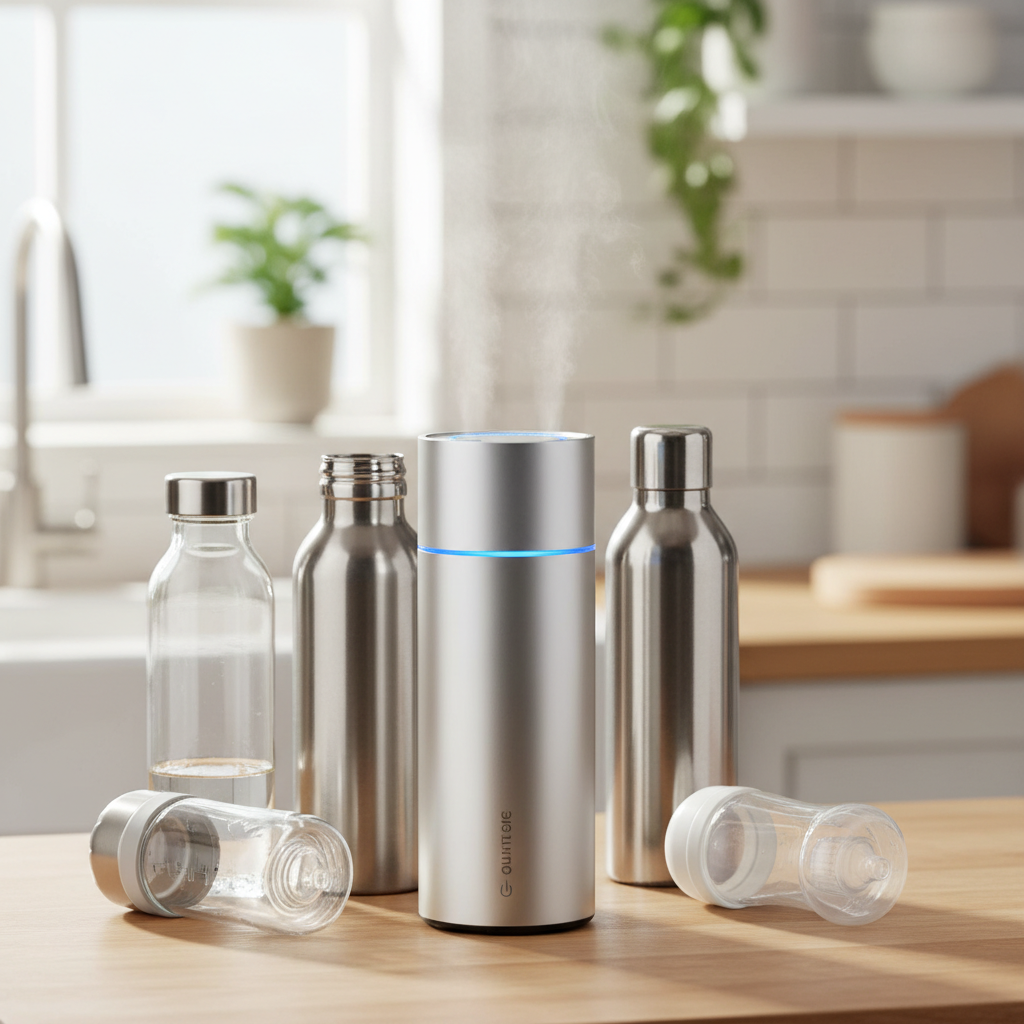
UV light bottle sanitizers are devices that leverage ultraviolet-C (UV-C) radiation to eliminate or inactivate harmful microorganisms from bottles and other items. Unlike conventional cleaning methods that rely on soap, water, or chemicals, these sanitizers employ a non-chemical process to achieve a high level of disinfection. They are specifically designed to address the invisible threats of bacteria, viruses, and fungi that can thrive on surfaces, particularly in hard-to-reach areas within bottles.
The importance of effective sterilization, especially for items like baby bottles, cannot be overstated. Warm milk, for instance, provides an ideal breeding ground for germs and harmful bacteria. Young infants possess immature immune systems, making them exceptionally vulnerable to illnesses such as gastroenteritis, diarrhea, and vomiting. Health guidelines often recommend sterilizing milk-feeding products for babies, particularly until they reach 12 months of age or for those with weakened immune systems. Utilizing a bottle sanitizer ensures that, beyond visible cleanliness, microscopic pathogens are eradicated, providing a crucial layer of protection for the most vulnerable.
How UV Light Bottle Sanitizers Work: The Science Behind the Glow
At the heart of UV light sanitization lies ultraviolet-C (UV-C) light, a powerful segment of the electromagnetic spectrum. Unlike its UV-A and UV-B counterparts, which primarily affect skin, UV-C light boasts the shortest wavelength and highest energy, making it exceptionally effective for sterilization. When UV-C light is emitted within a sanitizer, its photons are absorbed by the genetic material (DNA or RNA) of microorganisms.
This absorption triggers specific chemical reactions within the microbial cells. Covalent bonds form between adjacent thymine-thymine molecules in DNA and uracil-uracil molecules in RNA. The creation of these bonds results in structural abnormalities in the genetic strands. Consequently, the microorganism’s ability to replicate, metabolize, and function is severely disrupted, effectively rendering it harmless or “killed.” This process ensures that up to 99.9% of germs are eradicated without the need for water, steam, or harsh chemical agents. However, the efficacy of this process is heavily reliant on direct light exposure; any area shadowed by another object or obscured by murky water will not be adequately sanitized.
The Rise of UV Light Bottle Sanitizers: Types and Innovations
The application of UV-C light in sanitization has seen remarkable growth, leading to a diverse range of products designed for various needs. Dedicated UV bottle sterilizers are now common in households with infants, offering a convenient way to disinfect baby bottles, pacifiers, and breast pump parts. Beyond these, multi-purpose UV sanitizers have emerged, capable of cleaning a wider array of household items, including toys, mobile phones, keys, and even face masks.
Innovations in this field also extend to self-cleaning water bottles, which integrate UV-C technology directly into their lids, allowing users to purify water on the go. These devices often feature advanced UV-C LED technology, offering faster sterilization cycles and enhanced energy efficiency compared to older UV bulb systems. Many modern UV sanitizers come equipped with additional features such as integrated drying functions, storage modes to keep items sterile for extended periods, and intuitive auto settings that simplify the sanitization process. This versatility and convenience highlight the evolving role of UV light in personal and household hygiene, making high-level disinfection more accessible than ever before.
Weighing the Glow: Pros and Cons of UV Light Bottle Sanitizers
UV light bottle sanitizers present a compelling option for modern hygiene, yet like any technology, they come with a distinct set of advantages and considerations. Understanding both sides is key to making an informed decision.
Advantages:
- Chemical-Free Disinfection: One of the most significant benefits is the elimination of harmful chemicals. UV sanitization leaves no residue, ensuring items are safe for immediate use and do not alter the taste or odor of contents.
- High Efficacy Against Pathogens: UV-C light is highly effective at killing or inactivating a broad spectrum of microorganisms, including bacteria, viruses, and fungi, achieving up to 99.9% germ elimination.
- Speed and Convenience: Many UV sterilizers offer quick cycles, with some capable of sterilizing items in as little as 3 to 5 minutes. The inclusion of drying and storage functions in many models adds considerable convenience, simplifying daily routines.
- Environmental Benefits: By reducing the reliance on chemical disinfectants and minimizing the need for single-use plastic containers, UV technology aligns with sustainable practices. It also often boasts lower power consumption compared to some electric steam sterilizers.
- Versatility: Beyond bottles, many UV sanitizers can disinfect a wide range of items, from breast pump components and pacifiers to mobile phones and small toys, making them a multi-purpose hygiene tool.
|
Our Picks for the Best Bottle brush in 2026
As an Amazon Associate I earn from qualifying purchases.
|
||
| Num | Product | Action |
|---|---|---|
| 1 | ALINK 16 inch Long Bottle Brush Cleaner for Washing Wine/Beer/Sport Well/Thermos/Glass, Hummingbird Feeder and Long Narrow Neck Sport Bottles |

|
| 2 | Amazon Brand - Mama Bear Baby Bottle Brush with Nipple Cleaner and Suction Cup Stand, White (Pack of 3) |
|
| 3 | Momcozy Bottle Brush Kit with Push-Press Foam Design - Newborn Essentials Gift, Portable Cleaning Tool for Home & Travel, Baby Bottle Cleaner Brush for Breast Pumps & Nipples, Green |
|
| 4 | Holikme Bottle Brush Tube Cleaning Lab Set with Long Handle, Cup Cleaner for Washing Narrow Neck Beer Wine Decanter Pipes Lids Sinks Cap Covers, White |
|
| 5 | Scotch-Brite Glass and Water Bottle Brush, Long-Lasting, Safe on Glassware, Shaker Bottles, Food Processors, & More, Non-slip handle, Durable, Reusable, Clean in Top Rack of Your Dishwasher |
|
| 6 | OXO Tot Bottle Brush with Stand, Baby Bottle Brush |
|
| 7 | Holikme 6 Pack Bottle Brush Set, 14" Long Handle Stainless Steel Bottle Cleaner Brush, 3 Straw Brushes, 3-in-1 Bottle Cleaning Brush for Water Bottle, Antistatic Lab Brushes, Straws Black |
|
| 8 | ROSEOK 2 in 1 Long Handle Bottle Brush with Straw Brush for Cleaning Glass, Sports Bottle, Coffee Mug,Navy Blue,1 Pack |
|
| 9 | MR.SIGA Long Handle Bottle Brush, Flexible Scrub Brush for Water Bottles, Glasswares, Mugs, Black, 2 Pack |
|
| 10 | Munchkin Sponge Bottle Brush, Grey/Sage, 2 Count (Pack of 1) |
|
Disadvantages:
- Doesn’t Remove Physical Dirt/Residue: UV light sanitizers only kill germs; they do not remove visible dirt, milk residue, or other physical contaminants. Items must be thoroughly cleaned with soap and water before UV sterilization for effective results.
- Ineffective Against Chemical Contaminants: UV light does not remove chemical pollutants, heavy metals, or large particles from water or surfaces. For comprehensive purification of heavily contaminated water, additional filtration methods are necessary.
- Requires Direct Light Exposure: The germicidal action of UV-C light is limited to surfaces that it directly illuminates. Any shadowed areas, crevices, or opaque parts of an item will not be sanitized, which can be problematic for complex shapes like bottle teats.
- Potential Plastic Degradation: Prolonged or repeated exposure to UV-C light can, over time, degrade certain types of plastics, such as polypropylene (PP) and low-density polyethylene (LDPE), leading to cracking or discoloration. Some bottle manufacturers specifically advise against UV sterilization for their products due to this risk.
- Capacity and Power Dependency: Some UV sterilizers may have limited capacity compared to larger steam models, requiring more frequent cycles. All electric UV sanitizers require a continuous power supply to operate.
- Maintenance of UV Lamps: UV lamps or LEDs have a lifespan and will eventually need to be replaced, typically every 9-12 months, to maintain optimal efficacy. Some units may also require periodic cleaning of a quartz sleeve.
UV Light Bottle Sanitizers vs. Traditional Methods: A Comparison
When considering bottle sterilization, parents and caregivers often weigh UV light sanitizers against more traditional steam-based methods. Both aim to achieve high levels of hygiene, but their operational principles and implications differ significantly.
Steam sterilizers, often regarded as a gold standard, use high-temperature steam to kill germs. This method is praised for its ability to penetrate and cover all surfaces, regardless of the item’s shape, as steam is a gas that can easily spread. Steam is also generally safe for all types of bottle plastics, avoiding the degradation issues associated with UV light. However, steam sterilizers require water, can sometimes leave items wet, and necessitate regular descaling to prevent mineral buildup.
UV light sanitizers, in contrast, offer a water-free and mess-free alternative. They are lauded for their convenience, speed in some applications, and ability to sterilize a wider range of non-feeding items like toys and mobile phones. The lack of chemicals is a significant draw. However, their effectiveness hinges on direct light exposure, meaning shadows can compromise sterilization, and the potential for plastic degradation is a notable concern. Ultimately, the choice often comes down to prioritizing chemical-free convenience and multi-purpose use (UV) versus comprehensive, shape-independent coverage and material safety (steam).
What to Consider When Choosing a UV Light Bottle Sanitizer
Selecting the right UV light bottle sanitizer involves more than just picking a popular model. A thoughtful evaluation based on specific needs and key criteria will ensure you choose a device that is both effective and suitable for your lifestyle.
Efficacy and Safety Certifications:
Prioritize models that explicitly state a 99.9% germ-killing efficacy, a benchmark for consumer-grade sanitizers. It’s important to recognize that while highly effective, consumer UV sanitizers typically provide “sanitization” (reducing germs to a safe level) rather than “medical-grade sterilization” (eliminating all microbial life, including spores). Furthermore, ensure the device has safety features to prevent direct human exposure to UV-C light, which can be harmful to skin and eyes.
Material Compatibility:
A critical factor is how the UV light interacts with the materials of your bottles and accessories. As UV-C light can degrade certain plastics like polypropylene and low-density polyethylene over time, leading to cracking or discoloration, check manufacturer recommendations for both the sanitizer and your bottles. Some bottle brands specifically advise against UV sterilization.
Features and Functionality:
Consider what additional features align with your routine. Many UV sanitizers now include:
- Drying functions: Essential for ensuring bottles are completely dry before storage or use, preventing recontamination.
- Storage modes: Keeps items sterile for an extended period, often up to 24 hours.
- Auto modes: Combine sanitization and drying into a single, effortless cycle.
- Size and capacity: Evaluate how many bottles or items you need to sterilize at once and if the unit fits your available countertop space.
- Portability: If you travel frequently, a compact or portable UV sterilizer might be a valuable asset.
Brand Reputation and Reviews:
Opt for brands with established reputations and positive user reviews. Popular choices in the baby bottle sterilizer market, for instance, include Tommee Tippee, Grownsy, Nuby, and Vital Baby, often praised for their specific features like quick cycles or versatile capacity. While price is a factor, weigh it against the quality, durability, and features offered to determine the overall value.
The Horizon of Hygiene: The Future of UV Light Bottle Sanitizers
The trajectory of UV light sanitization points towards an exciting future, marked by continuous innovation and broader integration into our daily lives. As research progresses, we can anticipate advancements in UV-C lamp design and efficiency, leading to faster, more effective, and even more energy-conscious devices.
One of the most promising frontiers is the integration of UV light technology with smart home systems and the Internet of Things (IoT). Imagine smart UV systems that can monitor air quality in real-time, dynamically adjusting their output to sanitize spaces based on detected pathogens. Artificial intelligence (AI) could further enhance these devices, learning usage patterns and optimizing sterilization cycles for maximum effectiveness with minimal energy consumption.
Furthermore, ongoing research into broad-spectrum UV light aims to develop solutions that are not only highly effective against germs but also safe for human exposure, potentially revolutionizing disinfection in public spaces. As challenges related to dosing, material degradation, and personnel safety are actively addressed through scientific breakthroughs, the widespread adoption of UV light sanitizers across various industries—from healthcare and hospitality to transportation and personal use—is becoming increasingly inevitable. This evolution signifies a definitive shift towards proactive, sustainable, and intelligent disinfection practices, illuminating a cleaner future for us all.
Buying Guide: Expert Advice for Your Purchase
Choosing a UV light bottle sanitizer can significantly enhance your hygiene routine, but an informed decision is paramount. Here’s expert advice to guide your purchase:
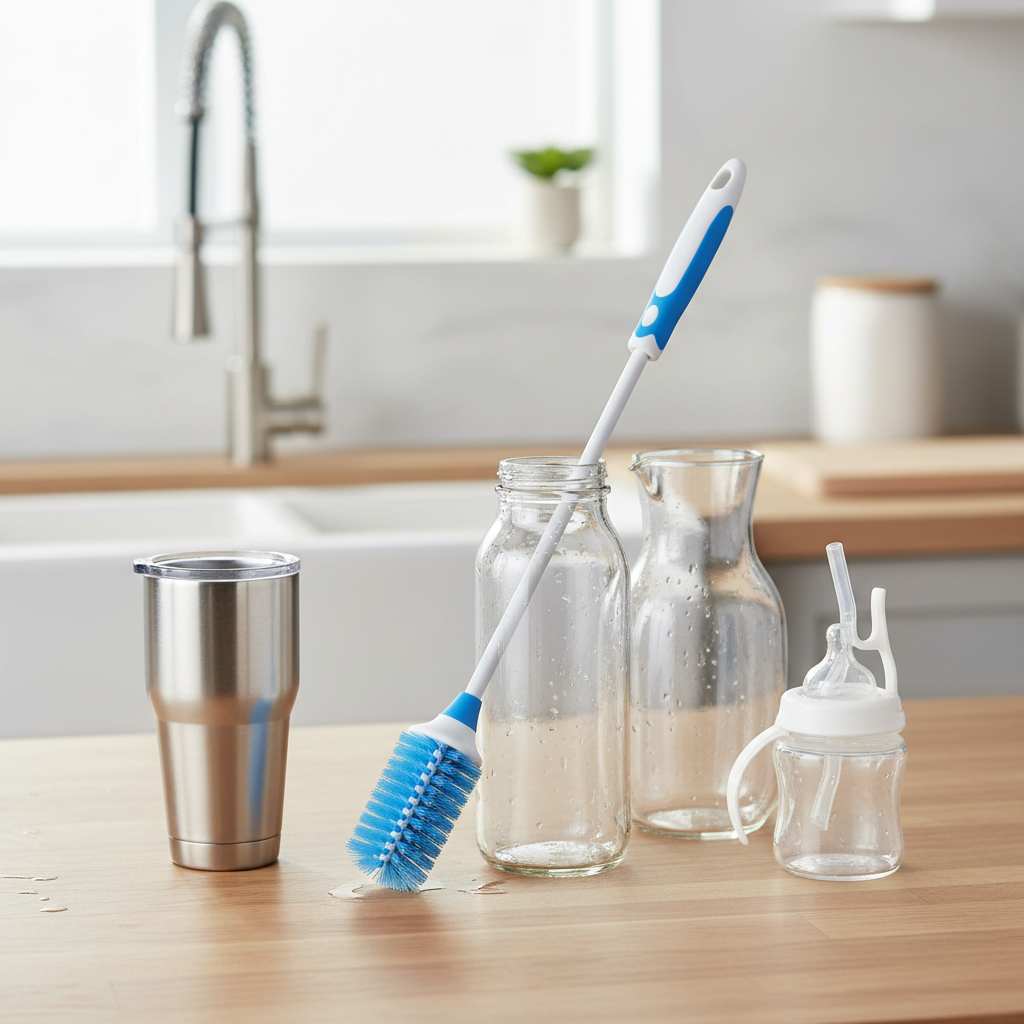
Always prioritize pre-cleaning. Remember that UV light sanitizers disinfect but do not clean. Any visible residue or dirt will shield microorganisms from the UV-C light, rendering the sterilization ineffective. Thoroughly wash bottles and accessories with hot, soapy water and a dedicated bottle brush, then rinse them well, before placing them in the UV sanitizer.
Consider your primary use. Are you sanitizing baby bottles, personal water bottles, or a variety of household items? This will dictate the required capacity, cycle speed, and versatility of the unit. For instance, if plastic degradation is a concern for your baby bottles, research brands that specifically endorse UV sterilization for their products or consider a steam sterilizer as an alternative. For water bottles, ensure the UV light can effectively reach all interior surfaces.
Look for a balance of features. While a fast cycle is convenient, features like an integrated drying function are invaluable for preventing recontamination. Durability, ease of maintenance (e.g., how often lamps need replacing), and a compact design that fits your space are also important practical considerations. Ultimately, the best UV light bottle sanitizer is one that seamlessly integrates into your lifestyle, provides reliable disinfection, and addresses your specific hygiene needs effectively.
Conclusion
UV light bottle sanitizers represent a significant leap forward in personal and household hygiene, offering a chemical-free, efficient, and increasingly versatile method for eliminating harmful microorganisms. By leveraging the potent power of UV-C light to disrupt microbial DNA, these devices provide a crucial layer of protection, particularly for sensitive items like baby bottles. While their benefits are clear—from speed and convenience to environmental advantages—it’s equally important to acknowledge their limitations, such as the inability to remove physical dirt or chemical contaminants and the potential for plastic degradation.
As we look to the future, the integration of smart technologies like AI and IoT promises even more sophisticated and adaptive UV sanitization solutions. Ongoing research is continuously refining these devices, making them safer, more efficient, and more widely applicable across diverse industries. With careful consideration of their capabilities and limitations, UV light bottle sanitizers are poised to play an indispensable role in maintaining a clean and healthy environment for generations to come. Are you ready to embrace the illuminating future of clean?
Frequently Asked Questions
Are UV bottle sanitizers safe for daily use?
Yes, when used according to manufacturer instructions, UV bottle sanitizers are generally safe for daily use. The UV-C light is typically contained within the device, preventing direct exposure to users.
Can UV light damage baby bottles?
UV-C light can potentially degrade certain plastics, such as polypropylene (PP) and low-density polyethylene (LDPE), over extended periods, leading to cracking or discoloration. It’s crucial to check both the sanitizer’s and the bottle manufacturer’s guidelines for compatibility.
Do UV sanitizers remove milk residue?
No, UV sanitizers only disinfect by killing germs; they do not clean. All bottles and accessories must be thoroughly washed with soap and water to remove any visible milk residue or dirt before being placed in a UV sanitizer.
How often should I replace the UV lamp?
The frequency of UV lamp replacement varies by model and usage, but generally, UV lamps or LEDs need to be replaced periodically to maintain their effectiveness, often every 9-12 months. Consult your device’s manual for specific recommendations.
Can UV sanitizers be used for other items?
Many UV sanitizers are multi-purpose and can be used to disinfect a variety of items beyond bottles, including pacifiers, breast pump parts, small toys, mobile phones, and keys, provided the items are clean and the UV light can reach all surfaces.