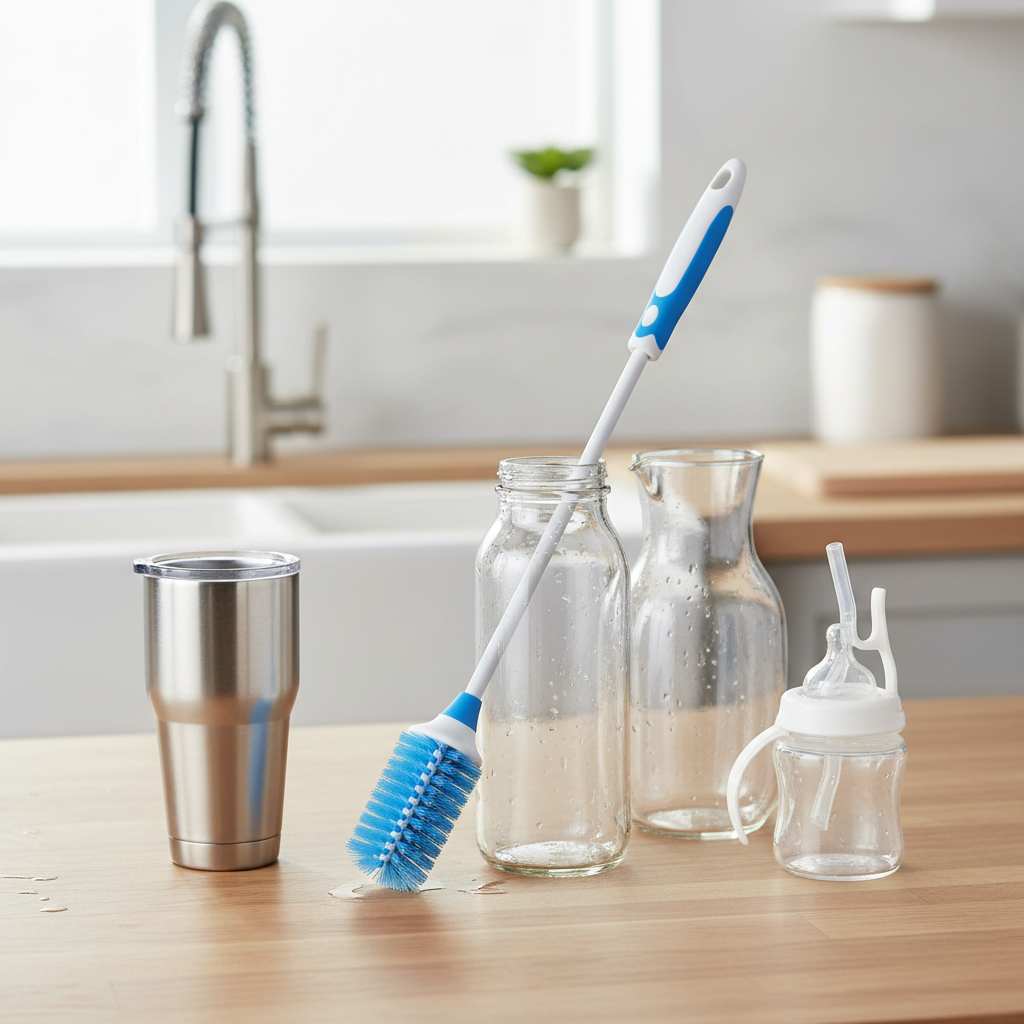
Maintaining impeccable hygiene for your bottle brush is paramount, especially when cleaning items like baby bottles or reusable water bottles where bacterial buildup can pose significant health risks. A bottle brush, while essential for reaching those tricky nooks and crannies, can ironically become a breeding ground for harmful microorganisms if not properly cared for. The secret to preventing this lies not just in cleaning the brush itself, but crucially, in how you store it after each use. This guide delves into the best practices for storing your bottle brush, ensuring it remains a hygienic tool rather than a hidden source of contamination.
What is a Bottle Brush and Why Do You Need It?
A bottle brush is a specialized cleaning tool designed with an elongated handle and a bristled head, perfect for scrubbing the interior of bottles, vases, and other containers with narrow openings. These brushes come in various forms, often made from silicone, nylon, or sponge materials, sometimes paired with smaller nipple brushes or detail cleaners. The primary purpose of a bottle brush is to provide mechanical friction that a simple rinse cannot achieve, effectively removing milk residue, food particles, and biofilms that adhere to inner surfaces. Without a bottle brush, it’s nearly impossible to thoroughly clean the inside of narrow-necked items, leaving behind unseen residue that can harbor bacteria and lead to unpleasant odors or even health issues, particularly for infants.
Common Types of Bottle Brushes on the Market
Bottle brushes vary widely, primarily categorized by their material and design, each offering distinct advantages.
- Silicone Bottle Brushes: Known for their durability, hygiene, and resistance to odors. Silicone bristles are non-absorbent, making them quick-drying and less prone to bacterial growth. They are also gentle on surfaces, preventing scratches.
- Nylon Bristle Bottle Brushes: These are traditional brushes, offering excellent scrubbing power. However, nylon bristles can be more abrasive and may wear down over time. Their absorbency means they require thorough drying to prevent mildew.
- Sponge-Tipped Bottle Brushes: Often combine bristles with a soft sponge tip, ideal for gentle yet effective cleaning. Sponges, however, are notorious for retaining moisture and can be hotspots for bacteria if not dried meticulously.
- Natural Bristle/Bamboo Brushes: An eco-friendly option, these brushes use natural fibers and bamboo handles. While effective, they demand extra care in drying and ventilation to prevent mold and damage to their organic components.
Each type has specific considerations, particularly concerning how easily it dries, which directly impacts its potential for bacterial growth.
Important Criteria When Choosing a Bottle Brush
Selecting the right bottle brush goes beyond mere cleaning efficacy; it’s about prioritizing hygiene and longevity.
Material
The material directly influences safety, durability, and ease of maintenance.
- Health Safety: Always opt for BPA-free materials, especially for baby bottles. Silicone is often preferred for its inert properties.
- Durability and Heat Resistance: A durable brush withstands frequent use and sterilization. Materials that can resist high temperatures allow for boiling or dishwasher sanitization.
- Ease of Cleaning and Sanitizing: Brushes that are easy to rinse clean and dry quickly are essential. Silicone, being non-porous, is inherently more hygienic.
|
Our Picks for the Best Bottle brush in 2026
As an Amazon Associate I earn from qualifying purchases.
|
||
| Num | Product | Action |
|---|---|---|
| 1 | Scotch-Brite Glass and Water Bottle Brush, Long-Lasting, Safe on Glassware, Shaker Bottles, Food Processors, & More, Non-slip handle, Durable, Reusable, Clean in Top Rack of Your Dishwasher |

|
| 2 | OXO Tot Bottle Brush with Stand, Baby Bottle Brush |
|
| 3 | Momcozy Bottle Brush Kit with Push-Press Foam Design - Newborn Essentials Gift, Portable Cleaning Tool for Home & Travel, Baby Bottle Cleaner Brush for Breast Pumps & Nipples, Green |
|
| 4 | Holikme 6 Pack Bottle Brush Set, 14" Long Handle Stainless Steel Bottle Cleaner Brush, 3 Straw Brushes, 3-in-1 Bottle Cleaning Brush for Water Bottle, Antistatic Lab Brushes, Straws Black |
|
| 5 | ROSEOK 2 in 1 Long Handle Bottle Brush with Straw Brush for Cleaning Glass, Sports Bottle, Coffee Mug,Navy Blue,1 Pack |
|
| 6 | Holikme Bottle Brush Tube Cleaning Lab Set with Long Handle, Cup Cleaner for Washing Narrow Neck Beer Wine Decanter Pipes Lids Sinks Cap Covers, White |
|
| 7 | Amazon Brand - Mama Bear Baby Bottle Brush with Nipple Cleaner and Suction Cup Stand, White (Pack of 3) |
|
| 8 | ALINK 16 inch Long Bottle Brush Cleaner for Washing Wine/Beer/Sport Well/Thermos/Glass, Hummingbird Feeder and Long Narrow Neck Sport Bottles |
|
| 9 | MR.SIGA Long Handle Bottle Brush, Flexible Scrub Brush for Water Bottles, Glasswares, Mugs, Black, 2 Pack |
|
| 10 | Munchkin Sponge Bottle Brush, Grey/Sage, 2 Count (Pack of 1) |
|
Design
Thoughtful design enhances user experience and cleaning effectiveness.
- Ergonomic Handle: A comfortable, non-slip handle ensures a firm grip, even when wet.
- Flexible Brush Head: The head should be flexible enough to reach all contours and corners inside a bottle, preventing residue buildup.
- Replaceable Heads: Some designs allow for replacing just the brush head, extending the life of the handle and reducing waste.
Size
The right size ensures both effectiveness and convenient storage.
- Fit for Purpose: The brush must be appropriately sized for the bottles or containers you intend to clean. A brush that is too large won’t fit, and one that is too small won’t clean effectively.
- Storage Convenience: Consider how easily the brush can be stored without occupying excessive counter space, especially in smaller kitchens.
Brand and Price
While not directly related to preventing bacteria, these factors influence trust and value.
- Reputable Brands: Brands known for baby products or kitchenware often adhere to higher safety and quality standards.
- Value for Money: Compare features and materials across different price points, balancing initial cost with expected durability and hygiene benefits.
Comparing Popular Bottle Brush Types
| Type of Brush | Material | Design Features | Drying Time | Advantages | Disadvantages |
|---|---|---|---|---|---|
| Silicone | Silicone | Non-absorbent bristles, flexible | Very fast | Highly hygienic, durable, scratch-free, odor-resistant | Can be less abrasive than nylon for tough spots |
| Nylon Bristle | Nylon, wire core | Stiff bristles, often with sponge tip | Moderate | Excellent scrubbing power for stuck-on residue | Can scratch delicate surfaces, retains moisture |
| Sponge-Tipped | Sponge, plastic | Soft sponge tip, often with bristles | Slow | Gentle cleaning, good for delicate items | Sponges retain water, high risk of bacterial growth |
| Natural/Bamboo | Natural fibers, bamboo | Eco-friendly, aesthetically pleasing | Moderate-Slow | Sustainable, gentle | Requires careful drying, prone to mold if wet |
How to Use and Maintain Your Bottle Brush Correctly
Proper use and meticulous maintenance are critical to prevent your bottle brush from becoming a haven for bacteria.
How to Use
- Rinse Before and After: Always rinse your bottle brush thoroughly under warm running water before and after each cleaning session to remove any loose debris or detergent residue.
- Use Appropriate Cleanser: Pair the brush with a gentle, food-grade bottle cleanser or mild dish soap. Avoid harsh chemicals that could damage the brush or leave harmful residues.
- Thorough Scrubbing: Ensure you scrub all internal surfaces of the bottle, including the base, sides, and neck, to dislodge all milk or food particles.
How to Store
The method of storage is paramount in preventing bacteria. A damp environment is an invitation for microbial growth.
- Dry Thoroughly: After washing, shake off excess water vigorously. The most crucial step is to allow the brush to air dry completely.
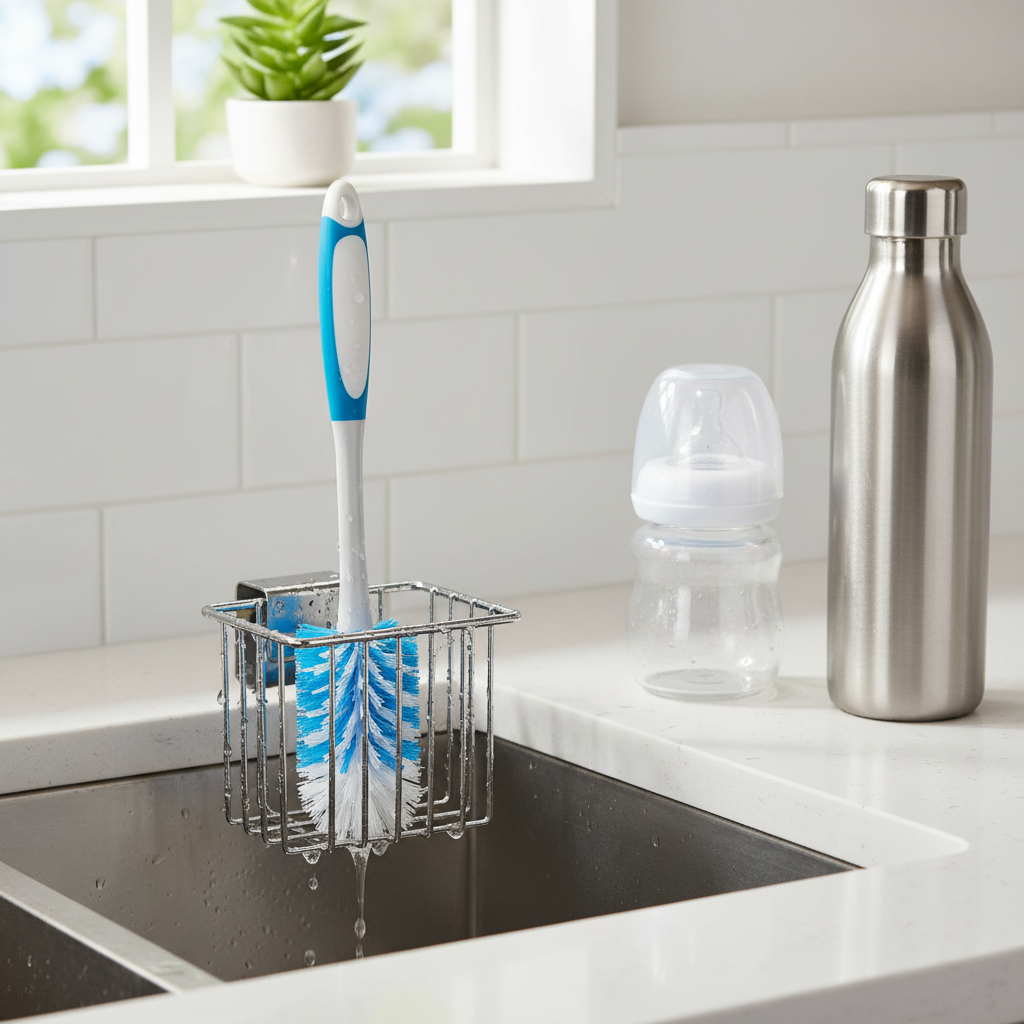
- Utilize a Drying Rack: A dedicated drying rack with good airflow is ideal. Position the brush bristles-down or suspended to allow water to drip away and air to circulate around the bristles.
- Well-Ventilated Area: Store the dry brush in a clean, well-ventilated space, away from direct sunlight, humidity, and food preparation areas. Avoid storing it in a closed container or lying flat in a damp sink.
- Hanging Hooks: Adhesive hooks or a utility rack can be excellent for hanging brushes, allowing them to dry fully and remain off surfaces.
- Protective Cases (for travel/long-term): For travel or extended storage, a clean, dry protective case can keep the brush free from dust and contaminants, but only after it’s completely dry.
“A wet bottle brush is a ticking time bomb for bacterial growth. Always prioritize complete air drying in a well-ventilated space to ensure it remains a safe and effective cleaning tool.” – Dr. Emily R. Carter, Pediatric Health Specialist
- Regular Sanitization: Beyond daily cleaning, sanitize your brush weekly by soaking it in a diluted bleach solution (one teaspoon of bleach per gallon of water) for a few minutes, or by running it through a dishwasher cycle if it’s dishwasher-safe.
- Timely Replacement: Bottle brushes are not meant to last forever. Replace your brush every 3 to 6 months, or sooner if bristles show signs of wear, fraying, or develop an odor, as damaged bristles can harbor more bacteria.
Where to Buy Bottle Brushes? Top-Rated Products
Bottle brushes are widely available, making them accessible to most consumers. You can find a good selection at:
- Baby Specialty Stores: Retailers focused on baby products often carry brushes specifically designed for baby bottles and nipples.
- Supermarkets and Hypermarkets: The kitchenware or baby care aisles typically stock various general-purpose and specialized bottle brushes.
- Online Retailers: E-commerce platforms offer a vast array of options from different brands, often accompanied by customer reviews and ratings which can guide your purchase.
While I cannot provide specific product recommendations, look for brushes that emphasize quick-drying materials, sturdy construction, and ergonomic designs, and check customer reviews for insights into their longevity and effectiveness in preventing bacterial issues.
Buying Guide: Expert Advice When Choosing a Bottle Brush
Choosing the right bottle brush and maintaining it properly are fundamental steps in ensuring optimal hygiene for your household items. From a professional standpoint, prioritize brushes made from quick-drying materials like silicone, as these inherently minimize the risk of bacterial proliferation. Always consider the design; a brush with a sturdy handle and a flexible head will not only clean more effectively but also facilitate thorough rinsing and drying.
Furthermore, adopt a stringent post-use routine: shake off excess water, utilize a drying rack or hang the brush in an open, airy spot, and never store it in a damp, enclosed space. Regular sanitization and timely replacement are non-negotiable for preserving the brush’s integrity and your family’s health. Think of your bottle brush as an extension of your commitment to cleanliness; a well-chosen and properly maintained brush is an indispensable ally in the fight against germs.
Conclusion
The humble bottle brush plays a critical role in maintaining household hygiene, particularly for items like baby bottles and reusable water containers. Preventing bacterial growth on your brush hinges on a simple yet effective principle: dryness and ventilation. By thoroughly cleaning your brush after each use, ensuring it air-dries completely on a rack or hook, and storing it in a well-ventilated area, you can significantly reduce the risk of harmful bacteria, mold, and mildew. Regularly sanitizing and replacing your brush further reinforces these practices, safeguarding the health of your loved ones. What strategies have you found most effective in keeping your bottle brushes clean and bacteria-free?
Frequently Asked Questions
How often should I replace my bottle brush to ensure hygiene?
It’s generally recommended to replace your bottle brush every 3 to 6 months. However, if you notice any signs of wear, such as frayed bristles, a persistent odor, or discoloration, it’s best to replace it sooner. Regular replacement helps ensure maximum cleaning effectiveness and minimizes bacterial buildup.
Can I clean my bottle brush in the dishwasher to sanitize it?
Many bottle brushes, especially those made from silicone or durable plastics, are dishwasher-safe. Placing your bottle brush on the top rack of your dishwasher for a regular cycle can effectively sanitize it. Always check the manufacturer’s instructions to confirm if your specific brush model is dishwasher-safe.