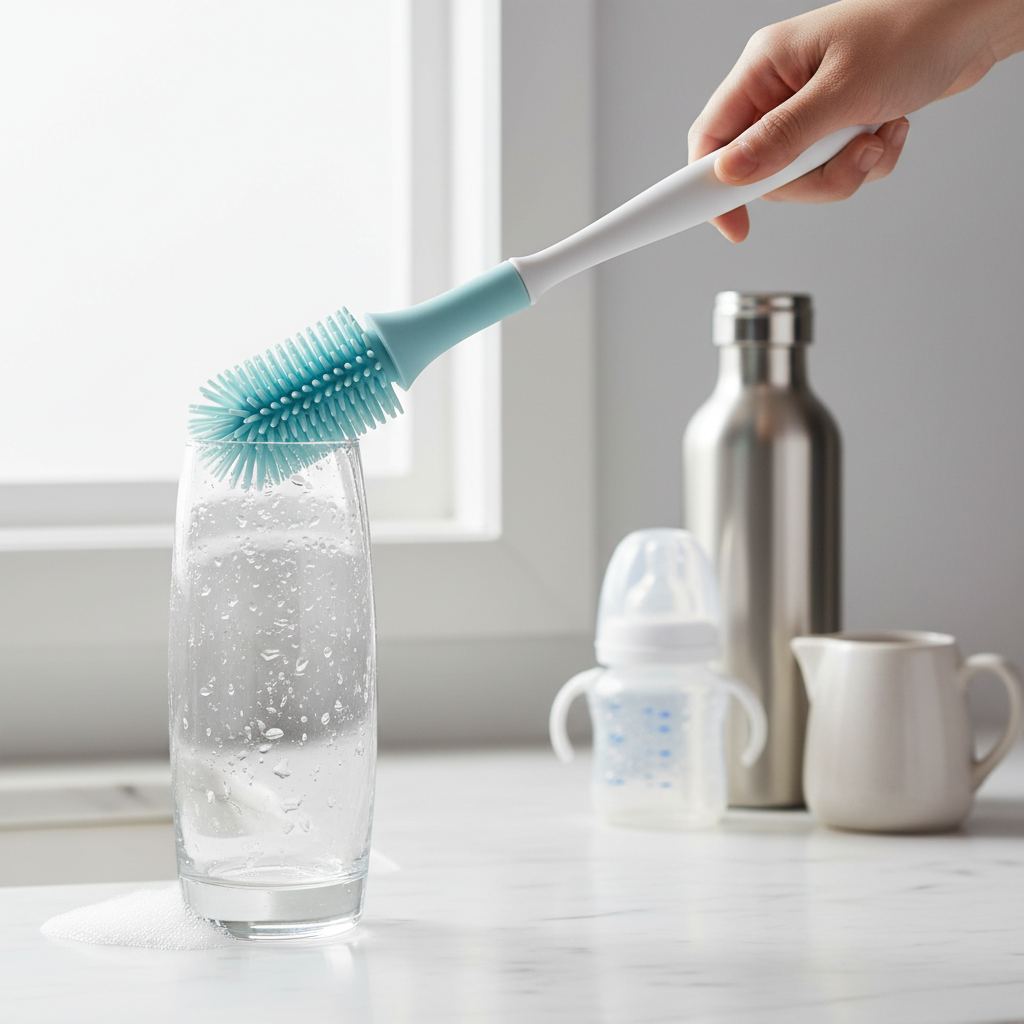
As a parent, ensuring your baby’s health and safety is always a top priority, and that includes maintaining impeccable hygiene for all feeding equipment. Among these tools, the humble bottle brush plays a critical role in cleaning bottles and nipples, yet it often becomes a silent breeding ground for unseen germs if not properly sanitized. A clean bottle brush isn’t just about appearance; it’s a fundamental safeguard against harmful bacteria that can compromise your infant’s delicate immune system. Understanding why and how to regularly sterilize this essential cleaning tool, especially through weekly boiling, is crucial for protecting your baby’s well-being.
The Hidden Dangers: Why Your Bottle Brush Needs Regular Sanitization
After each feeding, milk residue inevitably clings to bottles and nipples, creating a perfect environment for bacteria to flourish. While your bottle brush effectively scrubs away these visible traces, its bristles and damp environment can quickly harbor the very microorganisms you’re trying to eliminate. This microscopic threat can include common pathogens like E. coli and Pseudomonas, which are known to cause infections.
Babies, with their developing immune systems, are particularly vulnerable to these germs. Exposure to contaminated feeding equipment can lead to a range of health issues, including uncomfortable digestive problems such as diarrhea and vomiting, respiratory infections causing coughing and wheezing, and even skin irritations. Simple rinsing under the tap after use is insufficient to remove the tenacious biofilm—a slimy layer of bacteria—that can embed deep within the brush fibers. If you ever notice a sour, musty smell lingering on your brush, or spot dark stains and fuzzy growth, consider these critical hygiene red flags indicating active bacterial or mold contamination that requires immediate attention and likely replacement.
Boiling: The Gold Standard for Bottle Brush Sterilization
Boiling stands as one of the most effective, accessible, and cost-free methods for sterilizing your bottle brush and other feeding equipment. The high temperatures achieved during boiling are scientifically proven to kill harmful microorganisms, breaking down bacterial colonies and preventing their proliferation. This simple heat sterilization process ensures a level of cleanliness that routine washing cannot match, offering peace of mind that your cleaning tool is genuinely hygienic.
A Step-by-Step Guide to Boiling Your Bottle Brush
|
Our Picks for the Best Bottle brush in 2026
As an Amazon Associate I earn from qualifying purchases.
|
||
| Num | Product | Action |
|---|---|---|
| 1 | MR.SIGA Long Handle Bottle Brush, Flexible Scrub Brush for Water Bottles, Glasswares, Mugs, Black, 2 Pack |

|
| 2 | ROSEOK 2 in 1 Long Handle Bottle Brush with Straw Brush for Cleaning Glass, Sports Bottle, Coffee Mug,Navy Blue,1 Pack |
|
| 3 | Momcozy Bottle Brush Kit with Push-Press Foam Design - Newborn Essentials Gift, Portable Cleaning Tool for Home & Travel, Baby Bottle Cleaner Brush for Breast Pumps & Nipples, Green |
|
| 4 | ALINK 16 inch Long Bottle Brush Cleaner for Washing Wine/Beer/Sport Well/Thermos/Glass, Hummingbird Feeder and Long Narrow Neck Sport Bottles |
|
| 5 | OXO Tot Bottle Brush with Stand, Baby Bottle Brush |
|
| 6 | Amazon Brand - Mama Bear Baby Bottle Brush with Nipple Cleaner and Suction Cup Stand, White (Pack of 3) |
|
| 7 | Holikme Bottle Brush Tube Cleaning Lab Set with Long Handle, Cup Cleaner for Washing Narrow Neck Beer Wine Decanter Pipes Lids Sinks Cap Covers, White |
|
| 8 | Munchkin Sponge Bottle Brush, Grey/Sage, 2 Count (Pack of 1) |
|
| 9 | Scotch-Brite Glass and Water Bottle Brush, Long-Lasting, Safe on Glassware, Shaker Bottles, Food Processors, & More, Non-slip handle, Durable, Reusable, Clean in Top Rack of Your Dishwasher |
|
| 10 | Holikme 6 Pack Bottle Brush Set, 14" Long Handle Stainless Steel Bottle Cleaner Brush, 3 Straw Brushes, 3-in-1 Bottle Cleaning Brush for Water Bottle, Antistatic Lab Brushes, Straws Black |
|
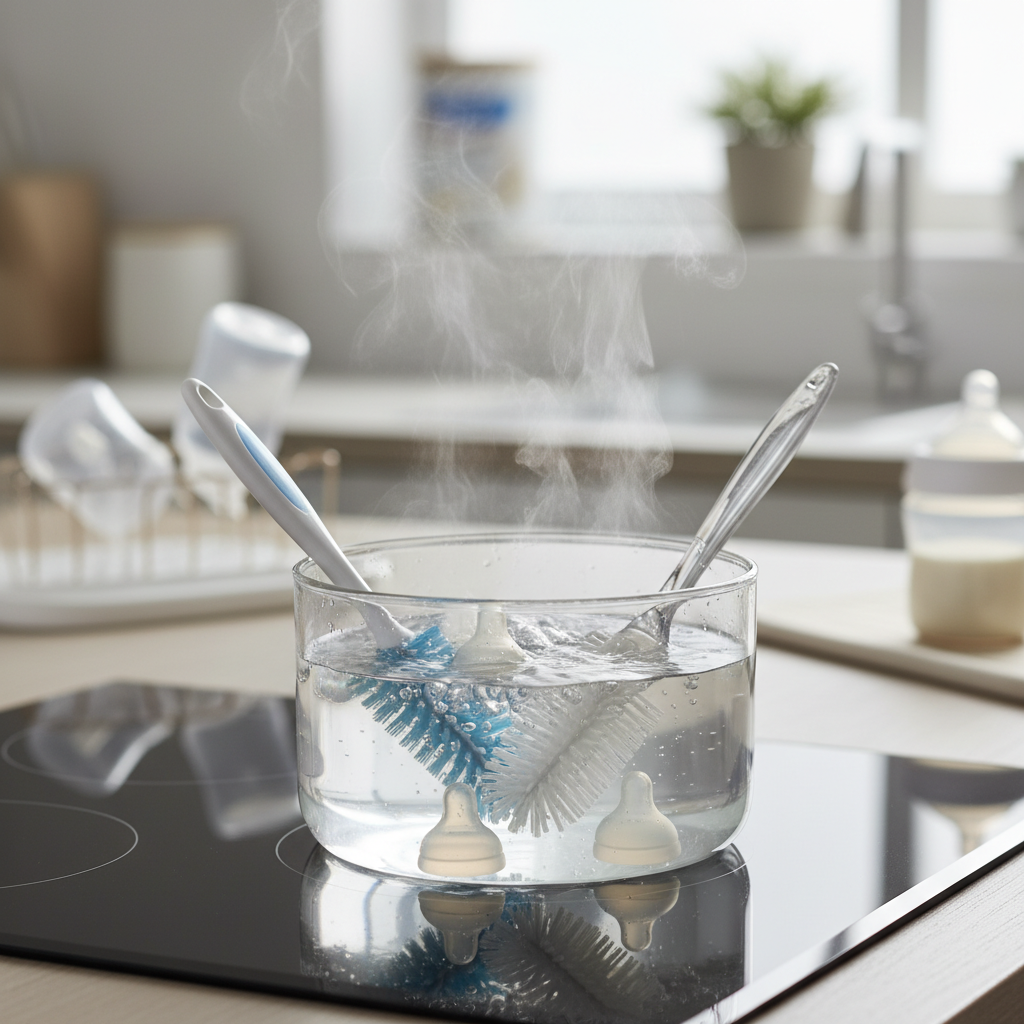
To effectively boil your bottle brush and ensure it’s free from harmful germs, follow these straightforward steps:
- Initial Wash: Before boiling, thoroughly wash your bottle brush with hot, soapy water. This removes any visible milk residue and food particles, allowing the boiling process to focus on eliminating microscopic bacteria.
- Submerge Completely: Place the clean brush into a large, clean pot. Add enough tap water to completely cover the brush, ensuring there are no trapped air bubbles, which could prevent areas from being fully exposed to the heat. If boiling other feeding items, ensure they are also fully submerged.
- Boil for Five Minutes: Bring the water to a full, rolling boil. Once boiling, keep the lid on and continue to boil for at least five minutes. This duration is crucial for killing the majority of harmful bacteria and viruses.
- Cool and Air Dry: After five minutes, carefully remove the pot from the heat and allow the water and contents to cool down naturally. Once cool enough to handle, use clean tongs to carefully retrieve the brush. Place it on a clean dish towel or a dedicated drying rack in an open-air environment, bristles down, to air dry completely. Avoid using a cloth to dry, as this can reintroduce germs.
The Weekly Ritual: Why Consistency Matters
Given that bacteria can begin to grow within just a few hours on damp surfaces exposed to milk residue, a diligent cleaning routine is paramount. While daily rinsing is essential, a weekly boiling session elevates your brush’s hygiene significantly. This regular, deep sanitization acts as a vital reset, ensuring that any lingering bacteria from daily use are eliminated before they can accumulate into a resistant biofilm. For optimal infant health, especially during the first 12 months when their immune systems are still developing, integrating this weekly boiling ritual into your routine is a minimum recommendation for maintaining the cleanest possible feeding tools.
Beyond Boiling: Comprehensive Bottle Brush Care for Optimal Hygiene
While weekly boiling is a powerful sanitization method, a holistic approach to bottle brush care involves consistent daily maintenance and timely replacement. These practices work together to ensure your cleaning tools remain effective and hygienic.
Daily Maintenance Habits
Immediately after each use, developing a quick daily routine will significantly prolong the cleanliness and life of your bottle brush. Begin by rinsing the brush thoroughly under hot running water to remove any immediate residue. Then, the drying method is just as critical as the cleaning. Always store your bottle brush bristles-down, ideally in a well-ventilated area or a dedicated drying rack, to allow for complete air circulation. Never lay a wet bottle brush flat on a countertop or store it in a closed, damp container, as these conditions are perfect for fostering microbial growth and unsightly mold buildup.
When to Replace Your Bottle Brush
Even with diligent cleaning and sanitization, bottle brushes have a limited lifespan. General guidelines suggest replacing nylon brushes every one to three months, while more durable silicone brushes can last three to six months. However, for brushes used for baby items, replacement might be needed more frequently, sometimes every two to four weeks, due to constant exposure to milk fats and frequent sterilization. Beyond these general timelines, it’s crucial to look for tell-tale signs of wear and contamination. Replace your brush immediately if you notice frayed or flattened bristles, persistent unpleasant odors that don’t disappear after cleaning, or any visible dark spots, discoloration, or fuzzy mold growth. Keeping a spare brush on hand ensures you can replace a worn or contaminated one without interruption to your cleaning routine.
Alternative Sanitization Methods
While boiling is highly recommended, other methods can complement or substitute it, depending on your brush’s material and personal preference:
- Dishwasher: Many bottle brushes are top-rack dishwasher safe. Running them through a hot cycle with heated drying can provide good sanitization. Always check the manufacturer’s instructions to ensure heat compatibility.
- Steam/Microwave Sterilizers: These devices, often used for baby bottles, can also be effective for sanitizing bottle brushes, especially those made from heat-resistant materials like silicone.
- Vinegar/Bleach Solutions: For a deep clean, a soaking solution of one part white vinegar to two parts hot water can help loosen stubborn residue and neutralize odors. For stronger disinfection, a diluted bleach solution (following product instructions carefully, typically one teaspoon of bleach per gallon of water) can be used, ensuring a thorough rinse afterward to remove any chemical traces. Always use these solutions with caution and ensure the brush is fully rinsed.
Choosing the Right Bottle Brush for Easy Sanitization
The longevity and ease of sanitization for your bottle brush often depend on its material and design. Making an informed choice when purchasing can contribute significantly to maintaining a hygienic cleaning routine.
Material Matters
Bottle brushes commonly come in a few key materials, each with unique advantages for hygiene. Silicone brushes are highly favored for their non-porous nature, which resists bacterial growth, and their excellent heat resistance, often making them safe for boiling or steam sterilization. Nylon bristles are also effective at scrubbing but can sometimes retain more moisture if not dried properly and may wear out faster with frequent high-heat sanitization. Sponges or foam brushes, while soft, are generally not recommended for baby bottle cleaning due to their porous nature, which easily traps bacteria and is difficult to sanitize thoroughly. Always check the product instructions regarding heat compatibility before boiling any brush.
Design for Durability & Hygiene
Beyond material, the brush’s design plays a crucial role. Look for brushes with features that promote quick drying, such as open bristle designs or those with dedicated drying stands. Non-porous handles, particularly those without crevices or soft, absorbent grips, are easier to clean and less likely to harbor moisture and bacteria. For comprehensive hygiene, consider dedicating separate brushes for different tasks—a specific brush for baby bottles and another for general household items—to prevent cross-contamination from milk residue or other food flavors.
Expert Insights: Prioritizing Infant Feeding Hygiene
Health professionals consistently emphasize the critical importance of proper hygiene for all infant feeding equipment. An infant’s immune system is still developing, making them highly susceptible to infections from bacteria and other pathogens. Regular cleaning, coupled with effective sanitization methods like boiling, significantly reduces the risk of gastrointestinal illnesses and other infections. This diligence is particularly vital during the first year of life. Maintaining a clean and sterile environment for feeding items supports your baby’s healthy development and provides a foundation of trust in their daily care.
Conclusion
The journey of parenthood is filled with countless decisions, and ensuring the absolute cleanliness of your baby’s feeding essentials is one of the most fundamental. As this guide highlights, your bottle brush, a seemingly simple tool, plays a profound role in safeguarding your infant’s health. The hidden dangers of lingering milk residue and rapid bacterial growth underscore why a casual rinse is simply not enough. Embracing the practice of weekly boiling is not merely a chore; it’s a vital, cost-effective, and highly efficient method to eradicate harmful germs, providing an indispensable layer of protection for your baby’s delicate immune system.
By integrating this essential weekly ritual with diligent daily care, smart brush selection, and timely replacement, you create a robust defense against unseen threats. Prioritizing your cleaning tools’ hygiene is just as important as sterilizing bottles themselves. Make weekly boiling a non-negotiable part of your routine. What steps will you take today to ensure your bottle brush is as clean and safe as it can be for your little one?
FAQ
Can I use a dishwasher instead of boiling my bottle brush?
Many bottle brushes are designed to be dishwasher safe, particularly on the top rack. A hot dishwasher cycle with heated drying can effectively sanitize your brush. However, always check the manufacturer’s instructions, as not all materials or components are compatible with high dishwasher temperatures.
How often should I replace my baby bottle brush?
For baby bottle brushes, it’s generally recommended to replace them every two to four weeks, or sooner if you notice visible signs of wear, discoloration, persistent odors, or any mold growth. Regular replacement ensures that the bristles remain effective and hygienic.
Are all bottle brushes safe to boil?
Not all bottle brushes are suitable for boiling. While silicone brushes are often heat-resistant and can be safely boiled, brushes with plastic handles, metal cores, or certain nylon bristles may degrade or warp under high temperatures. Always refer to the product’s care instructions before boiling.
What happens if I don’t sanitize my bottle brush regularly?
If not sanitized regularly, your bottle brush can become a breeding ground for bacteria and mold, fueled by residual milk and moisture. This can lead to the formation of a biofilm, which can then transfer harmful germs back into your baby’s “clean” bottles, potentially causing digestive issues or other infections due to their immature immune system.
How do I properly dry my bottle brush to prevent mold?
To prevent mold and bacterial growth, always rinse your bottle brush thoroughly after each use and then store it bristles-down in a well-ventilated area. A dedicated drying rack or an open-air spot is ideal, allowing air to circulate and the bristles to dry completely. Avoid placing it flat on a surface or in a closed, damp container.