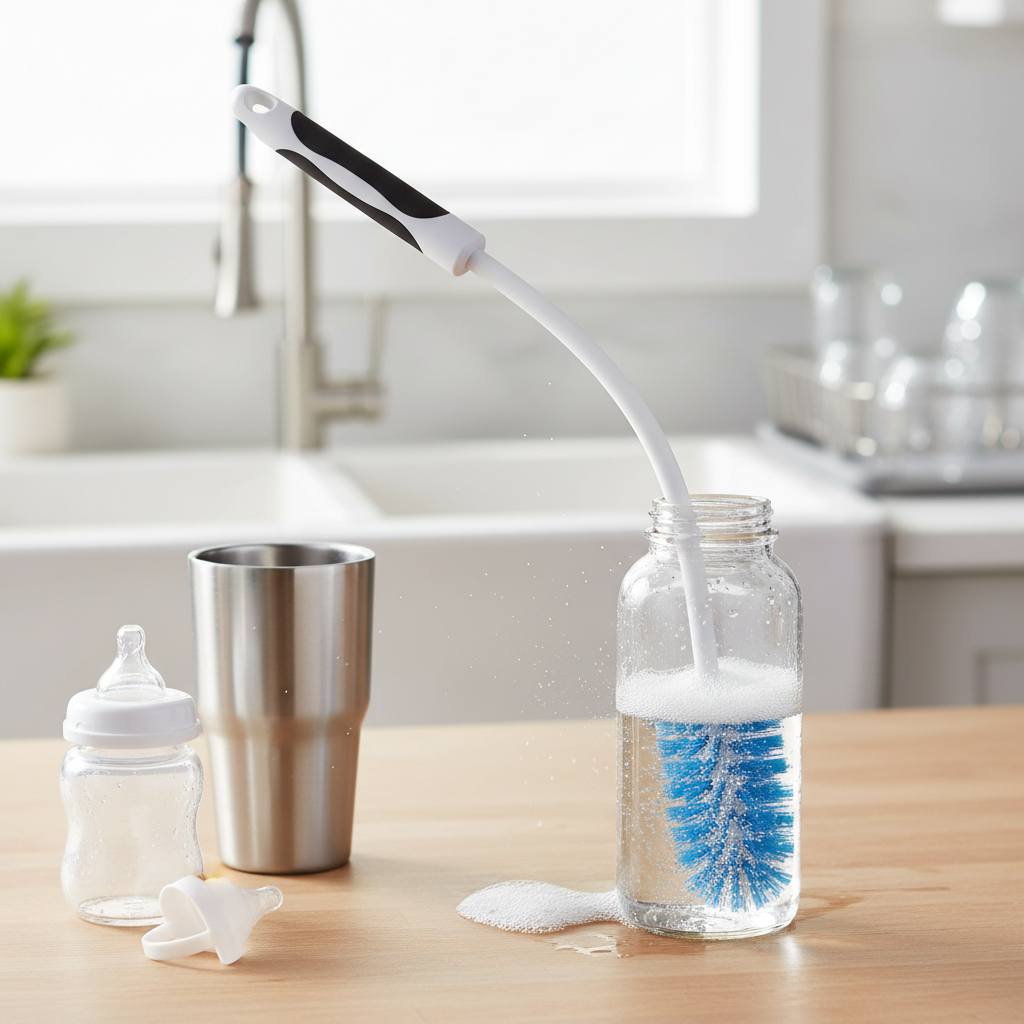
There’s nothing quite as off-putting as reaching for your trusty bottle brush, only to be met with a sour, musty odor. This common kitchen conundrum can leave you wondering how something designed for cleaning can itself smell so… dirty. The truth is, a smelly bottle brush isn’t just unpleasant; it’s often a sign that microscopic invaders, specifically bacteria, have set up camp. Understanding the root cause of this funk and implementing simple, effective strategies can transform your cleaning routine, ensuring your bottles are truly spotless and your brush remains fresh.
What is a Bottle Brush and Why Do You Need It?
A bottle brush is an essential cleaning tool characterized by its long handle and specialized brush head, designed to reach and scrub the interior surfaces of bottles, jars, and other narrow-necked containers that standard sponges or dishcloths cannot access. These brushes are indispensable for thoroughly cleaning baby bottles, water bottles, travel mugs, and even delicate glassware, ensuring all residues, especially from milk, formula, or sugary drinks, are effectively removed.
The importance of using a dedicated bottle brush cannot be overstated. Without it, hard-to-reach areas inside bottles become breeding grounds for bacteria, mold, and mildew. These microorganisms thrive on leftover food particles and moisture, leading to unpleasant odors and potential health risks. A properly designed bottle brush ensures every nook and cranny is scrubbed clean, preventing bacterial buildup and maintaining hygienic standards, which is particularly crucial for infants with developing immune systems. Neglecting to use a bottle brush can result in lingering smells, stained bottles, and a greater risk of illness from contaminated surfaces.
Common Types of Bottle Brushes on the Market
The market offers a variety of bottle brushes, each with distinct materials, shapes, and sizes tailored for different cleaning needs. Understanding these variations can help you choose the most effective tool for your household.
Bottle brushes are primarily categorized by their material and design.
Classification by Material:
- Nylon Bristles: These are a very popular choice due to their durability and effective scrubbing power. Nylon bristles are firm enough to tackle stubborn grime and residue without scratching most bottle surfaces. They generally resist wear and tear well and can often withstand high-temperature sterilization methods.
- Silicone: Silicone brushes have gained popularity for their hygienic properties. They are non-porous, which means they don’t harbor bacteria as easily as traditional bristles or sponges, resisting odors and stains effectively. Silicone brushes are often flexible, allowing for 360-degree cleaning, durable, and long-lasting. However, some users find they may lack the aggressive scrubbing power of nylon bristles for very tough, dried-on messes.
- Sponge/Foam: Some bottle brushes feature a sponge or foam head, or a combination of bristles with a sponge tip. While sponges excel at creating a rich lather and can be gentle on delicate surfaces, they are highly porous. This porosity makes them prone to trapping moisture and food particles, leading to rapid bacterial growth and unpleasant odors, often requiring more frequent replacement.
- Natural Fibers (Sisal, Coconut, Bamboo): For eco-conscious consumers, brushes made from natural materials like sisal, coconut fiber, or bamboo handles offer a sustainable alternative. These materials often dry faster than synthetic sponges, which helps inhibit bacterial growth. They provide effective scrubbing and are biodegradable, aligning with low-waste lifestyles.
Classification by Shape and Size:
- Long-handled brushes: These are standard, designed to reach the bottom of deep bottles, flasks, and vases.
- Shorter, compact brushes: Ideal for smaller items or detailed cleaning, often used for nipples and caps.
- Angled or specialized heads: Some brushes feature angled tips or unique contours to better clean specific bottle shapes or tight corners.
- Combination brushes: Many bottle brushes include a smaller brush integrated into the handle, perfect for cleaning nipples, straws, or small bottle accessories.
Each type offers unique advantages, but the key to an odor-free cleaning experience often lies beyond just the material, extending to proper use and maintenance.
Crucial Criteria When Choosing a Bottle Brush
Selecting the right bottle brush can significantly impact your cleaning efficiency and hygiene. Here are the key factors to consider:
Quality: Material
The material of your bottle brush directly influences its safety, durability, and how easily it can be cleaned.
- Safety for Health (BPA-free, non-toxic): Especially for baby bottles, ensure the brush materials are BPA-free and do not contain harmful chemicals that could leach into your baby’s feeding items. Look for food-grade silicone or high-quality nylon.
- Durability and Heat Resistance: A durable brush will last longer, saving you money and reducing waste. Materials like nylon and silicone offer excellent longevity. Heat resistance is crucial if you plan to sterilize your brush using boiling water, dishwashers, or steam sterilizers.
- Ease of Cleaning and Disinfection: The brush itself needs to be easy to clean and sanitize to prevent it from becoming a source of contamination. Non-porous materials like silicone tend to be easier to keep hygienic as they don’t trap bacteria readily.
|
Our Picks for the Best Bottle brush in 2026
As an Amazon Associate I earn from qualifying purchases.
|
||
| Num | Product | Action |
|---|---|---|
| 1 | OXO Tot Bottle Brush with Stand, Baby Bottle Brush |

|
| 2 | ROSEOK 2 in 1 Long Handle Bottle Brush with Straw Brush for Cleaning Glass, Sports Bottle, Coffee Mug,Navy Blue,1 Pack |
|
| 3 | Holikme Bottle Brush Tube Cleaning Lab Set with Long Handle, Cup Cleaner for Washing Narrow Neck Beer Wine Decanter Pipes Lids Sinks Cap Covers, White |
|
| 4 | MR.SIGA Long Handle Bottle Brush, Flexible Scrub Brush for Water Bottles, Glasswares, Mugs, Black, 2 Pack |
|
| 5 | ALINK 16 inch Long Bottle Brush Cleaner for Washing Wine/Beer/Sport Well/Thermos/Glass, Hummingbird Feeder and Long Narrow Neck Sport Bottles |
|
| 6 | Scotch-Brite Glass and Water Bottle Brush, Long-Lasting, Safe on Glassware, Shaker Bottles, Food Processors, & More, Non-slip handle, Durable, Reusable, Clean in Top Rack of Your Dishwasher |
|
| 7 | Amazon Brand - Mama Bear Baby Bottle Brush with Nipple Cleaner and Suction Cup Stand, White (Pack of 3) |
|
| 8 | Munchkin Sponge Bottle Brush, Grey/Sage, 2 Count (Pack of 1) |
|
| 9 | Momcozy Bottle Brush Kit with Push-Press Foam Design - Newborn Essentials Gift, Portable Cleaning Tool for Home & Travel, Baby Bottle Cleaner Brush for Breast Pumps & Nipples, Green |
|
| 10 | Holikme 6 Pack Bottle Brush Set, 14" Long Handle Stainless Steel Bottle Cleaner Brush, 3 Straw Brushes, 3-in-1 Bottle Cleaning Brush for Water Bottle, Antistatic Lab Brushes, Straws Black |
|
Design
The design of a bottle brush affects its usability and effectiveness.
- Sturdy, Comfortable Handle: A comfortable, non-slip handle ensures a secure grip, even when wet and soapy, making the cleaning process easier and more efficient. A long handle is vital for reaching the bottom of deep bottles without splashing your hands.
- Flexible Brush Head for Hard-to-Reach Areas: The head should be flexible enough to conform to the curves and corners of your bottles, ensuring thorough cleaning. Bristles should be firm enough to scrub away residue but gentle enough not to scratch surfaces.
- Replaceable Brush Heads (if applicable): Some models feature replaceable heads, which is an eco-friendly and cost-effective option, allowing you to keep the handle while refreshing the cleaning part.
Size
Matching the brush size to your cleaning needs is paramount.
- Compatibility with Bottle/Container Size: The brush head must be able to fit through the bottle opening and reach the very bottom. If you clean various bottle sizes, consider a versatile brush or a set with different sizes.
- Ease of Storage: A well-designed brush should also be easy to store, perhaps with a hanging loop or a compact design that fits neatly in your kitchen.
Brand and Price
While not directly related to function, brand reputation and price are important considerations.
- Reputable Brands and High Ratings: Choosing brands known for quality and positive customer reviews can give you confidence in your purchase. Brands like OXO Good Grips and Boon are often highly rated for their bottle brushes.
- Value for Money: Compare prices across different brands and materials, but remember that a slightly higher upfront cost for a durable, effective, and hygienic brush can offer better long-term value.
Comparing Popular Bottle Brush Types
To help you decide, here’s a comparison of the most common bottle brush materials:
| Feature | Nylon Bristle Brush | Silicone Brush | Sponge/Foam Brush | Natural Fiber Brush (Sisal/Coconut) |
|---|---|---|---|---|
| Material | Nylon bristles, often with plastic or wire handle | Food-grade silicone, often with plastic or metal handle | Synthetic sponge/foam, often with plastic handle | Sisal/coconut fiber bristles, bamboo/wood handle |
| Design | Firm bristles, varied shapes, often with small nipple brush | Flexible, soft, non-abrasive, 360-degree cleaning | Soft, high-lather, sometimes combined with bristles | Stiff bristles, often with hanging loop |
| Scrubbing Power | Excellent for stubborn grime and dried-on residue | Good for general cleaning, less abrasive | Good for light residue and gentle cleaning | Good for general scrubbing, eco-friendly |
| Durability | Good, but bristles can fray over time | Excellent, very long-lasting, resists wear and tear | Low, wears out quickly, prone to tearing | Good, but bristles can wear down; handle can be delicate |
| Hygiene/Odor | Can harbor bacteria if not dried properly | High, non-porous, resists bacteria and odor | Low, traps moisture and food, prone to strong odors | Good, dries faster than synthetic sponges, resists odor |
| Maintenance | Dishwasher safe, can be boiled/sterilized | Dishwasher safe, can be boiled/sterilized | Hand wash only (usually), difficult to sanitize thoroughly | Hand wash, air dry; avoid dishwasher/microwave for natural materials |
| Replacement Freq. | 1-3 months, or when bristles fray | 6+ months, or when damaged | 1-2 weeks, or when slimy/smelly | 1-3 months, or when bristles wear down |
| Pros | Versatile, strong cleaning, widely available | Hygienic, durable, soft, non-scratching | Good lather, gentle for delicate items | Eco-friendly, aesthetically pleasing, dries quickly |
| Cons | Can eventually fray, may harbor bacteria | Less aggressive scrub, may not reach tiny crevices | Odor-prone, short lifespan, less hygienic | Handles can be fragile, not always dishwasher safe |
How to Properly Use and Maintain Your Bottle Brush
The lifespan and effectiveness of your bottle brush, and by extension the cleanliness of your bottles, depend heavily on proper usage and maintenance.
How to Use:
- Rinse Bottles First: Before using the brush, quickly rinse bottles and containers with cold water to remove loose food debris or milk residue. This prevents your brush from getting overly saturated with grime.
- Apply Appropriate Cleaning Solution: Use warm, soapy water or a dedicated bottle cleaning solution. For baby bottles, ensure you use a gentle, baby-safe dish soap.
- Scrub Thoroughly: Insert the bottle brush and scrub all internal surfaces, paying close attention to the bottom, sides, and neck of the bottle. If your brush has a smaller nipple brush, use it to clean nipples, caps, and other small accessories thoroughly. Ensure all visible residue and film are removed.
- Rinse Brush and Bottles: After scrubbing, rinse both the bottle brush and the cleaned items thoroughly under hot running water to remove all soap and dislodged particles.
How to Maintain:
Proper maintenance is crucial for preventing odor and bacterial growth in your bottle brush.
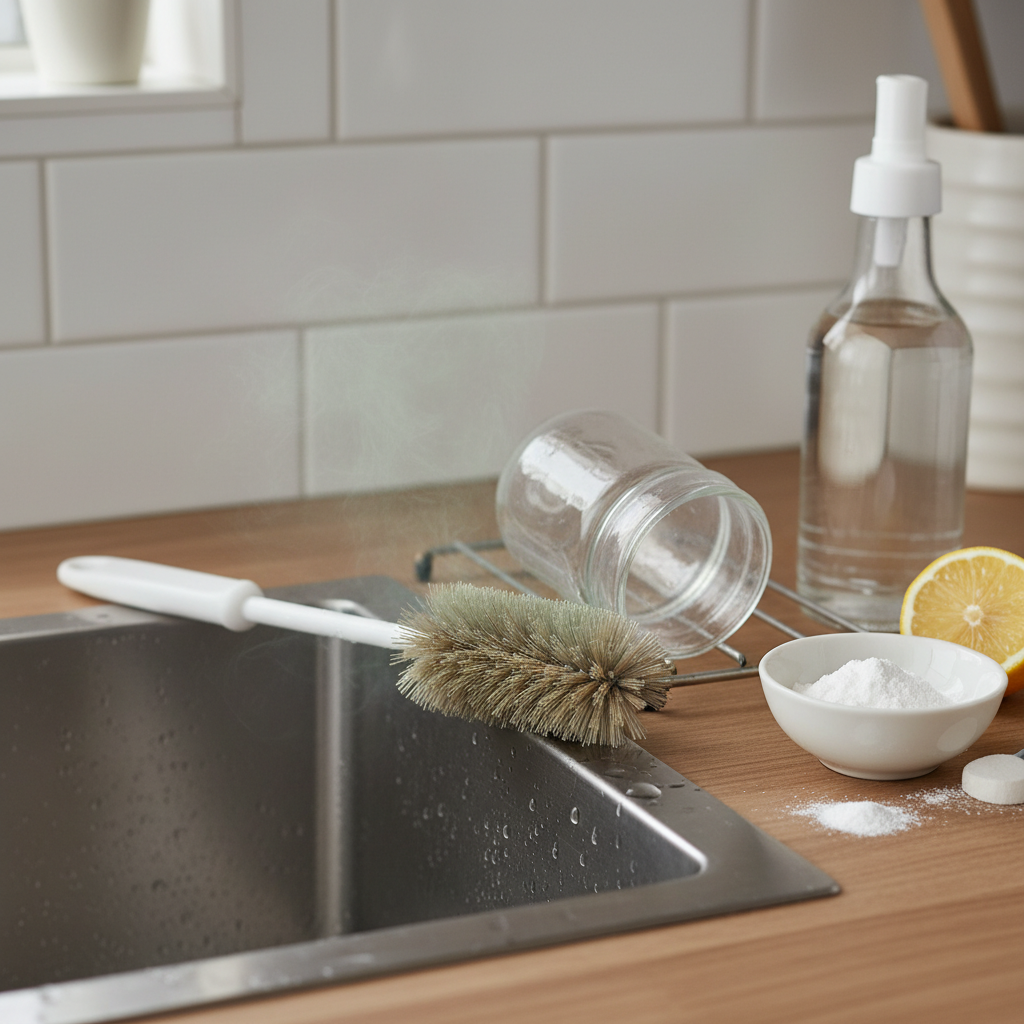
- Air Dry Completely After Each Use: This is perhaps the most critical step. After every use, rinse your brush thoroughly, shake off excess water, and hang it to air dry in a well-ventilated area. Avoid leaving it lying flat in the sink or in a damp, enclosed space, as this creates a perfect environment for bacteria to flourish. Many brushes come with a hanging loop for this purpose.
- Replace Your Bottle Brush Regularly:
- For sponge-head brushes, replace them frequently, ideally every 1-2 weeks, or sooner if they become slimy, discolored, or develop a persistent odor.
- Nylon and natural fiber brushes typically last longer, around 1-3 months. Replace them when bristles become bent, matted, frayed, or if cleaning effectiveness diminishes.
- Silicone brushes are the most durable and can last 6 months or more, but should still be replaced if they show signs of damage or wear.
- Clean and Sanitize Frequently: Beyond daily rinsing, your bottle brush needs regular deep cleaning and sanitization to kill stubborn bacteria. The best method depends on your brush material:
- Dishwasher: Many nylon and silicone bottle brushes are dishwasher safe. Place them on the top rack and run a hot water cycle with a heated drying or sanitizing setting. Always check manufacturer instructions, especially for brushes with natural handles or metal components.
- Boiling: For heat-resistant brushes (nylon, silicone, certain plastics), submerge the brush head in boiling water for 5 minutes. Remove with tongs and allow to air dry completely.
- Microwave (for sponges/silicone, not metal): Place a damp sponge or silicone brush head in the microwave and heat on high for 1-2 minutes. This can kill bacteria effectively. Never microwave brushes with metal parts.
- Vinegar Soak: For natural disinfection, soak the brush head (especially for natural fiber brushes where high heat is not recommended) in a bowl of full-strength white vinegar for 5-10 minutes. Vinegar helps neutralize odors and break down bacterial buildup. Rinse thoroughly and air dry.
- Baking Soda Paste: For tough grime on bristles, mix baking soda with a little water to form a paste, rub it into the bristles, then rinse well.
- Bleach Solution (Last Resort for Non-Baby Items): If other methods are unavailable, a diluted bleach solution (2 teaspoons unscented bleach per gallon of water) can be used for non-baby items. Soak for 2 minutes, rinse thoroughly multiple times, and air dry. Avoid for baby items if possible, and rinse extremely well.
By integrating these simple steps into your routine, you can keep your bottle brush clean, effective, and free from unpleasant odors.
Where to Buy Bottle Brushes? Top-Rated Products
Finding a quality bottle brush is easy, with numerous options available both online and in physical stores.
You can typically find bottle brushes at:
- Baby and Children’s Stores: These stores offer a wide selection of brushes specifically designed for baby bottles, often with accompanying nipple brushes and drying racks.
- Supermarkets and Mass Retailers: Many larger grocery stores and big-box retailers carry basic to mid-range bottle brushes in their kitchen or baby care aisles.
- Online Marketplaces: Websites like Amazon, Walmart, Target, and specialty eco-friendly online stores provide the largest variety, often including user reviews and detailed product specifications to aid your choice.
When it comes to top-rated products, certain brands consistently receive high praise for their durability, design, and effectiveness:
- OXO Good Grips Bottle Brush: Known for its ergonomic handle and durable nylon bristles, often with a soft, flexible tip to reach all corners.
- Boon Cacti Bottle Brush Set: A playful and functional set of brushes of varying sizes, specifically popular for baby bottles and accessories.
- Mr. Siga Water Bottle Brush and Straw Cleaner: Often lauded for its comprehensive cleaning ability, including integrated straw cleaners.
- Haakaa Silicone Cleaning Brush Kit: A popular silicone option, praised for its hygiene and non-scratch properties, particularly for baby bottles.
These brands often offer a range of materials, from durable nylon to hygienic silicone and eco-friendly natural fibers, ensuring you can find a product that aligns with your preferences and cleaning needs.
Buying Guide: Expert Advice for Choosing a Bottle Brush
Navigating the array of bottle brushes can feel overwhelming, but making an informed choice is key to maintaining a hygienic home. As a technician with over a decade of experience in household item maintenance, I’ve seen firsthand how the right tools, combined with proper care, make all the difference.
When selecting your next bottle brush, prioritize material quality and design versatility. Opt for materials like high-quality silicone or durable nylon that are not only effective at scrubbing but also easy to clean and sanitize. For delicate items or baby bottles, non-porous silicone is an excellent choice for its hygienic properties. Look for a design with a long, sturdy, and comfortable handle to ensure you can reach the bottom of tall bottles without strain. A flexible head with varying bristle lengths or an integrated nipple brush is a bonus, allowing you to tackle different parts of the bottle with ease.
Consider the heat resistance of the material if you plan to use high-temperature sterilization methods like dishwashers or boiling. While natural fiber brushes are eco-friendly and dry quickly, they may not be suitable for all sanitization methods.
“A common mistake people make is overlooking the brush’s material and proper drying. A brush that stays damp will inevitably become a breeding ground for bacteria, regardless of how often you rinse it. Investing in a quick-drying material and ensuring proper ventilation are non-negotiable for an odor-free cleaning routine.” – [Your Name/Role, reviewmht.com Admin]
Ultimately, the “best” bottle brush is one that fits your specific needs, the types of bottles you clean most often, and your cleaning habits. Don’t let budget be the sole deciding factor; consider the long-term value, hygiene, and ease of maintenance a quality brush provides. A small investment in the right tool can save you from persistent odors, ineffective cleaning, and the constant need for replacements.
Conclusion
A smelly bottle brush is more than just an annoyance; it’s a clear signal that your cleaning routine needs an upgrade. By understanding that bacterial growth fueled by moisture and residue is the primary culprit, you can take proactive steps to eliminate unpleasant odors and ensure your cleaning tools are truly clean.
The key to a fresh bottle brush lies in a combination of smart choices: selecting a brush made from quick-drying, hygienic materials like silicone or natural fibers, implementing a diligent daily care routine of thorough rinsing and air drying, and regularly sanitizing it through appropriate methods like dishwashing, boiling, or natural soaks. Remember to replace your brush regularly based on its material and condition to maintain optimal hygiene. By adopting these practices, you transform a mundane chore into an effective part of your household maintenance, ensuring every bottle you clean is genuinely fresh and safe.
What simple change will you make today to keep your bottle brush—and your bottles—spotless and odor-free?
Frequently Asked Questions
How often should you replace a bottle brush?
For sponge-head brushes, replace every 1-2 weeks. Nylon and natural fiber brushes typically last 1-3 months, while durable silicone brushes can last 6 months or more. Always replace sooner if you notice persistent odors, discoloration, sliminess, or damaged bristles.
Can you put a bottle brush in the dishwasher?
Many nylon and silicone bottle brushes are dishwasher safe. Place them on the top rack and use a hot wash cycle with a heated drying or sanitizing setting. However, avoid putting brushes with natural wooden handles or certain metal components in the dishwasher, as high heat can cause damage.
Is it better to use a silicone or nylon bottle brush?
The “better” brush depends on your needs. Silicone brushes are highly hygienic, non-porous, and resistant to odors and stains, making them excellent for baby bottles and delicate items. Nylon brushes offer superior scrubbing power for stubborn, dried-on grime. Many households find a combination of both useful for different cleaning tasks.
Why does my new bottle brush smell?
Even a new bottle brush can develop an odor quickly if not properly dried after its first use. Residue from manufacturing or initial use, combined with trapped moisture, can allow bacteria to grow. Ensure you rinse, shake off excess water, and air dry your new brush thoroughly from the very beginning.