Choosing the right handle grip for a tool or piece of equipment often seems like a minor detail, yet it profoundly impacts user experience, safety, and operational efficiency. Whether you’re operating complex machinery, engaging in an intense workout, or simply using everyday household items, the design of the handle—specifically, whether it’s a rotary (or revolving) handle or a fixed handle—plays a critical role. Understanding the distinct characteristics, advantages, and disadvantages of each can empower you to make informed decisions, ensuring optimal performance and comfort for any application. This comprehensive guide will delve into these two primary grip types, helping you navigate the complexities and select the ideal handle for your specific needs.
Understanding Rotary Handle Grips
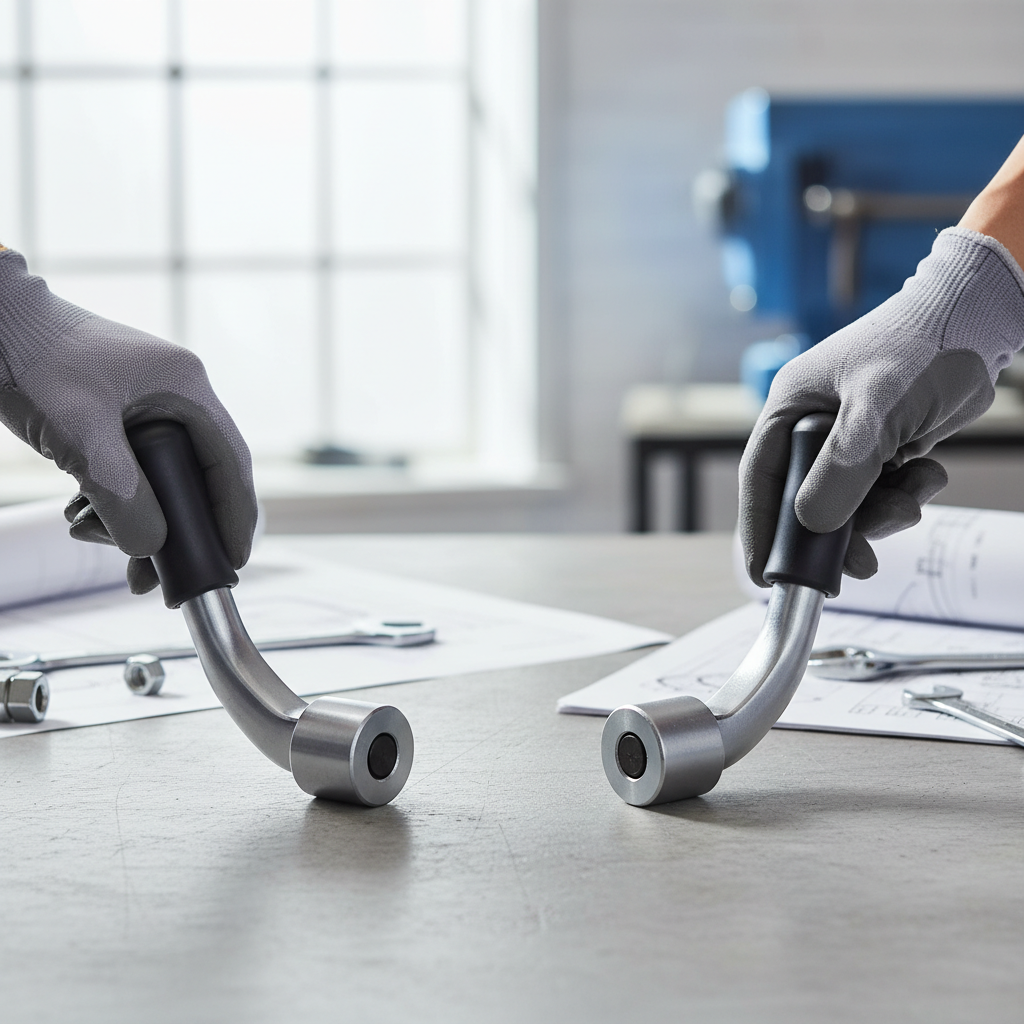
Rotary handle grips, sometimes referred to as revolving, swivel, or adjustable handles, are distinguished by their ability to rotate independently of the shaft or mechanism they are attached to. This unique feature allows the user’s hand to maintain a consistent position while the handle itself turns, facilitating smooth and continuous rotational motion. These grips often feature a rotating component mounted on a fixed or moving shaft, designed for efficient operation with reduced strain.
Commonly fabricated from robust materials like steel, aluminum, or reinforced plastic, rotary handles are engineered for durability, capable of withstanding demanding industrial conditions. Their design prioritizes ergonomics, aiming to minimize hand and wrist fatigue during extended or repetitive tasks. Applications span across various sectors, from intricate industrial machinery and manual lifting systems to specialized medical devices and photography equipment. They are particularly beneficial in scenarios requiring precise adjustments or where space limitations make full handle rotations impractical.
Understanding Fixed Handle Grips
In contrast to their rotating counterparts, fixed handle grips are rigid, immovably attached to the tool or equipment. They function as a single, integrated unit, providing a solid, unyielding point of contact. These handles are typically crafted from durable materials such as stainless steel, aluminum, or hardened polymers, known for their strength and resistance to wear. The core characteristic of a fixed handle is its absolute stability; it does not move or rotate relative to the object it controls.
Fixed handle grips are fundamental in tools and equipment where a firm, unwavering hold is paramount. They offer direct feedback and robust control, making them indispensable for tasks that demand significant force or precise manipulation without any unintended movement. Examples range from simple hand tools like hammers and axes to heavy industrial equipment, and even specialized grips on rotary hammers designed for chipping tasks. Their straightforward construction often translates to greater reliability and lower maintenance, as there are fewer moving parts to wear out.
Head-to-Head Comparison: Rotary vs. Fixed Handles
The choice between a rotary and a fixed handle grip hinges on a careful evaluation of several critical factors. Each type excels in different areas, making them suitable for distinct applications.
| Feature | Rotary Handle Grip | Fixed Handle Grip |
|---|---|---|
| Ergonomics & Comfort | Reduces hand/wrist strain during rotation, ideal for repetitive tasks and prolonged use. | Can cause strain if not optimally designed for task; excellent comfort with ergonomic shapes. |
| Control & Precision | Allows fluid motion while maintaining grip, precise adjustments in rotational applications. | Provides direct, stable control, essential for high-force or impact tasks. |
| Durability & Reliability | Robust materials, but moving parts may require more maintenance. | Highly durable due to rigid construction, fewer points of failure. |
| Versatility & Adaptability | Adjustable for varied needs, good in tight spaces, telescoping options. | Less adaptable, position is permanent, requires repositioning of hand/body. |
| Safety Considerations | Minimizes twisting injuries; requires careful handling in specific dynamic contexts. | Secure, firm grip; potential for strain injuries if ergonomics are poor. |
| Application Suitability | Lathes, cranks, machinery controls, valves, medical devices, robotics. | Hammers, axes, power tools (drills, saws), shovels, bike handlebars. |
| Cost & Maintenance | Generally higher initial cost, may require more maintenance for moving parts. | Typically lower cost, less maintenance required. |
Ergonomics and Comfort
|
Our Picks for the Best Bottle brush in 2026
As an Amazon Associate I earn from qualifying purchases.
|
||
| Num | Product | Action |
|---|---|---|
| 1 | Momcozy Bottle Brush Kit with Push-Press Foam Design - Newborn Essentials Gift, Portable Cleaning Tool for Home & Travel, Baby Bottle Cleaner Brush for Breast Pumps & Nipples, Green |

|
| 2 | Holikme Bottle Brush Tube Cleaning Lab Set with Long Handle, Cup Cleaner for Washing Narrow Neck Beer Wine Decanter Pipes Lids Sinks Cap Covers, White |
|
| 3 | Amazon Brand - Mama Bear Baby Bottle Brush with Nipple Cleaner and Suction Cup Stand, White (Pack of 3) |
|
| 4 | Holikme 6 Pack Bottle Brush Set, 14" Long Handle Stainless Steel Bottle Cleaner Brush, 3 Straw Brushes, 3-in-1 Bottle Cleaning Brush for Water Bottle, Antistatic Lab Brushes, Straws Black |
|
| 5 | ROSEOK 2 in 1 Long Handle Bottle Brush with Straw Brush for Cleaning Glass, Sports Bottle, Coffee Mug,Navy Blue,1 Pack |
|
| 6 | Scotch-Brite Glass and Water Bottle Brush, Long-Lasting, Safe on Glassware, Shaker Bottles, Food Processors, & More, Non-slip handle, Durable, Reusable, Clean in Top Rack of Your Dishwasher |
|
| 7 | Munchkin Sponge Bottle Brush, Grey/Sage, 2 Count (Pack of 1) |
|
| 8 | MR.SIGA Long Handle Bottle Brush, Flexible Scrub Brush for Water Bottles, Glasswares, Mugs, Black, 2 Pack |
|
| 9 | ALINK 16 inch Long Bottle Brush Cleaner for Washing Wine/Beer/Sport Well/Thermos/Glass, Hummingbird Feeder and Long Narrow Neck Sport Bottles |
|
| 10 | OXO Tot Bottle Brush with Stand, Baby Bottle Brush |
|
Rotary handles are champions of ergonomics when it comes to tasks involving continuous rotation or repetitive movements. Their rotating grip allows the hand and wrist to remain in a neutral position, significantly reducing strain and fatigue over extended periods. This design is invaluable in applications like crank handles, where turning is constant, or in industrial machinery controls that demand precise, fluid adjustments without repositioning the hand.
Fixed handles, on the other hand, can offer exceptional comfort if designed with ergonomic principles in mind, such as contoured shapes that fit the natural curves of the hand. D-shaped handles, for instance, are lauded for distributing pressure evenly, thereby mitigating strain. However, a poorly designed fixed handle, or one used in a task that inherently requires twisting of the wrist, can lead to discomfort, muscle strain, or even overuse injuries if the hand is forced into awkward positions.
Control and Precision
When tasks demand fluid rotational motion with high precision, rotary handles often prove superior. The independent rotation of the grip enables operators to maintain a firm hold while executing delicate turns or adjustments, offering precise control over the machinery. This feature is particularly beneficial in tools like lathe machines or drill presses where fine tuning is essential.
Fixed handles provide a direct and unwavering connection to the tool, translating immediate feedback and maximizing control, especially for high-force or impact-driven tasks. Tools such as hammers or axes rely on this rigid connection for effective force transfer. For heavy machinery like rotary hammers used for chipping, a D-handle fixed grip aligns the hand with the axis of the bit, making it easier to apply consistent pressure and maintain control. The stability of a fixed grip is also critical for safety, preventing unwanted slippage or rotation in strenuous applications.
Durability and Reliability
Fixed handles typically boast superior durability and reliability due to their simpler, rigid construction. With no moving parts, there is inherently less to wear out or break, making them less prone to mechanical failure. This makes them a preferred choice for heavy-duty tools that endure significant stress and impact, or in environments where robustness is paramount.
While modern rotary handles are constructed from durable materials, the presence of a rotating mechanism introduces additional components that can be subject to wear over time. This can potentially lead to higher maintenance requirements compared to their fixed counterparts. For instance, a swivel handle in a whip, while offering flexibility, can be less predictable and may require more attention to technique to account for the moving component.
Versatility and Adaptability
Rotary handles shine in versatility and adaptability. Their ability to be repositioned, or to allow continuous hand movement relative to the shaft, makes them highly flexible for dynamic conditions or tight spaces. Adjustable handles, a type of rotary grip, can be locked into various positions, offering a middle ground between rigid and flexible control, suitable for tools like telescoping mops or industrial valves.
Fixed handles, by their very nature, are less adaptable. Their permanent position means the user must adjust their body or hand position to accommodate different angles or tasks. While this can be a disadvantage in terms of flexibility, it ensures consistent leverage and grip in its intended, fixed orientation. For applications where the grip position is optimized for a single, primary function, this lack of adaptability is not a drawback but a feature.
Safety Considerations
The design of a handle grip directly influences user safety. Rotary handles, by reducing hand and wrist strain, can mitigate the risk of repetitive strain injuries, particularly during prolonged, rotational tasks. They allow for more natural hand movement, which can prevent awkward postures that lead to discomfort. However, in applications where precise alignment and a completely unyielding connection are critical, a rotary mechanism could, in rare cases, introduce a slight reduction in absolute control, depending on the tool and user’s skill.
Fixed handles provide a highly secure and stable grip, which is essential for preventing slips and accidents, especially when applying significant force or working in wet or greasy conditions. The unmoving nature of the grip ensures that the tool remains firmly in hand, enhancing overall operational safety. However, as noted, poorly designed fixed grips or those misused can contribute to ergonomic issues and injuries.
Application Suitability
Rotary handles are ideally suited for tasks involving:
- Continuous Rotation: Lathe machines, milling machines, drill presses, crank handles, winches.
- Precise Adjustments: Industrial valves, machinery controls, medical devices, photography equipment.
- Ergonomic Comfort in Repetitive Tasks: Applications requiring extended manual operation.
- Robotics: Robotic grippers in surgery, rehabilitation, and space exploration often incorporate rotating elements for dexterity.
Fixed handles are the go-to for applications demanding:
- High Force & Impact: Hammers, axes, heavy-duty industrial equipment.
- Direct Control & Stability: Power drills, saws, shovels, bicycle handlebars (especially lock-on grips for aggressive riding).
- Robustness in Harsh Environments: Tools where reliability under extreme conditions is paramount.
- Security and Unwavering Hold: Applications where a grip must not shift or loosen under any circumstance.
Cost and Maintenance
Typically, fixed handle grips are more cost-effective to manufacture due to their simpler design and fewer components. This often translates to a lower retail price and reduced long-term maintenance costs, as there are fewer parts to repair or replace.
Rotary handles, with their integrated rotating mechanisms, generally involve more complex manufacturing processes and additional components, which can result in a higher initial cost. They may also necessitate more frequent maintenance to ensure the smooth functioning of the rotating parts and to prevent issues like stiffness or excessive play over time.
Expert Advice: When to Choose Which Grip
As an Admin of reviewmht.com with over a decade of experience in equipment maintenance and user interaction, I’ve seen firsthand how the right grip can transform efficiency and comfort.
Choose a Rotary Handle Grip when:
- Repetitive Rotational Motion is Key: If your task involves constant turning, winding, or adjusting, a rotary handle will drastically reduce hand and wrist fatigue, allowing for smoother, more sustained operation. Think of machine dials, cranks, or control levers.
- Precision in Rotational Control is Needed: When fine-tuning or delicate angular adjustments are paramount, the fluid movement offered by a rotary grip provides superior tactile feedback and control.
- Ergonomic Comfort for Prolonged Use is a Priority: For jobs that keep your hands engaged for extended periods, especially those involving twisting actions, a rotary handle helps maintain a neutral wrist position, preventing strain and discomfort.
- Space is Limited: Adjustable handles, a form of rotary grip, can be repositioned, making them ideal for tight spaces where a full, fixed handle rotation is impossible.
“In scenarios demanding intricate control and prolonged engagement, the revolving mechanism of a rotary grip is not just a convenience, but a critical ergonomic feature that can prevent long-term wrist and hand issues.” – Admin, reviewmht.com
Choose a Fixed Handle Grip when:
- Maximum Force and Stability are Required: For tasks involving hammering, lifting, or applying significant leverage, a fixed grip provides an unyielding connection, ensuring that all force is transferred directly to the workpiece.
- Impact or High Torque is Involved: Tools like axes, heavy-duty wrenches, or rotary hammers that experience high impact or require substantial torque benefit from the rigid, unmovable nature of a fixed grip to prevent slippage and ensure safety.
- Simplicity and Durability are Paramount: If you need a robust, low-maintenance solution that can withstand harsh treatment and constant use without failure, the straightforward construction of a fixed handle is unbeatable.
- Direct Feedback and Unwavering Control are Essential: For applications where even the slightest unintended movement could be problematic, a fixed grip offers immediate, uncompromising control, fostering confidence and precision in critical operations.
Buying Guide: Selecting the Best Handle Grip for Your Needs
Selecting the ideal handle grip transcends mere preference; it’s about aligning the grip’s features with the specific demands of the task and the user’s physical needs. Consider these factors before making your choice:
- Understand the Application: What is the primary function of the tool or equipment? Does it require rotational movement, brute force, or precise manipulation? This will be the most significant determinant.
- Prioritize Ergonomics: Evaluate how long the tool will be used and the typical hand and wrist positions involved. For extended, repetitive tasks, seek out grips designed to minimize strain and promote a neutral posture. Many fixed grips also come with advanced ergonomic designs, like textured surfaces and contoured shapes, to maximize comfort and reduce fatigue.
- Assess Required Control and Precision: If fluid, continuous adjustments are key, a rotary grip is likely superior. If an unyielding, direct connection for force transmission is needed, a fixed grip will provide better control.
- Consider Durability and Maintenance: In tough environments or for tools that see heavy use, the inherent robustness and lower maintenance of a fixed grip might be more appealing. However, high-quality rotary grips are also built to last.
- Factor in the Environment: Will the grip be exposed to moisture, oils, extreme temperatures, or vibrations? Select materials and textures that offer secure grip and withstand these conditions. Rubber grips, for instance, are excellent for vibration dampening.
- Budget and Longevity: While fixed grips are often less expensive upfront, both types offer long-term value when chosen correctly for their intended purpose. Invest in quality grips to ensure safety and extend the life of your equipment.
Ultimately, the best handle grip is one that feels like an extension of your hand, providing comfort, control, and confidence in every task.
Conclusion
The distinction between rotary and fixed handle grips, though seemingly simple, highlights a fundamental choice in tool and equipment design. Rotary handles excel in providing ergonomic comfort and precision for tasks involving continuous or repetitive rotational movements, minimizing strain and enhancing fluid control. Fixed handles, conversely, offer unparalleled stability, direct feedback, and durability, making them indispensable for applications demanding high force, impact resistance, and an unyielding grip.
Your decision should always be guided by the specific requirements of the task, the need for ergonomic comfort, safety considerations, and the long-term reliability of the grip. By thoughtfully evaluating these aspects, you can ensure that your chosen handle not only optimizes performance but also safeguards your well-being. What kind of tasks do you find yourself doing most often that might benefit from a change in handle grip?
Frequently Asked Questions
What are the main benefits of a rotary handle grip?
The main benefits of a rotary handle grip include reduced hand and wrist strain during repetitive or continuous rotational tasks, enhanced precision for fine adjustments, and increased comfort for prolonged use. Its design allows the hand to remain stationary while the handle turns, promoting fluid motion and minimizing fatigue.
When should I prioritize a fixed handle grip over a rotary one?
You should prioritize a fixed handle grip when the task demands maximum force, unwavering stability, or high-impact resistance. Fixed grips provide direct feedback and a secure hold, making them ideal for tools like hammers, axes, or heavy machinery where an unyielding connection is critical for safety and effective power transmission.
Are rotary handles more prone to wear and tear?
Rotary handles, due to their moving parts, may require more maintenance than fixed handles. While constructed from durable materials, the rotating mechanism can experience wear over time. However, high-quality designs ensure robust performance, and proper maintenance can extend their lifespan significantly.
Can ergonomic design improve fixed handle comfort?
Absolutely. Many fixed handles incorporate advanced ergonomic designs, such as contoured shapes, textured surfaces, and specialized materials like rubber, to fit the natural curves of the hand. This significantly enhances comfort, distributes pressure evenly, reduces fatigue, and improves grip security, even during prolonged use.
What industries commonly use rotary handle grips?
Rotary handle grips are widely used in industrial manufacturing (lathes, milling machines), agriculture (seed drills, irrigation pumps), automotive (manual car jacks, window regulators), construction (hoists, scaffolding), and specialized fields like medical devices, photography equipment, and robotics.
How does grip material affect performance for both handle types?
Grip material is crucial. Rubber offers excellent shock absorption, vibration dampening, and a non-slip surface, enhancing comfort and safety. Metals provide durability but can be slippery or transfer temperature extremes. Textured surfaces, regardless of material, significantly increase friction for a more secure hold, especially in wet or oily conditions.